


Choosing the best thermal scope for hog hunting starts with the country we hunt, the distances we expect, and what we can confirm about a scope’s actual specifications. The model labels below give us a way to organize the shortlist, but we should verify current details and fit before buying. For a wider comparison, we can browse thermal scopes and thermal optics for hog hunting at Western Sport.
1. Best overall: Pulsar Thermion 2 LRF XQ50 Pro
For an all-around choice, we want a scope whose verified specifications suit the places we hunt most often, rather than a model that only sounds impressive on paper. The “best overall” label is a starting point for comparison, not a substitute for checking the current product listing and confirming the configuration.
Before we decide, we should check the manufacturer’s stated sensor details, magnification, field of view, dimensions, controls, and mounting requirements. Those details matter to how a scope fits our rifle and how easily we can use it from our usual position. We should also confirm what is included in the box and what, if anything, must be purchased separately.
A thermal image can help us notice heat, but we still need to identify the animal and make a responsible shot decision. We should plan to verify the target and what lies beyond it using the methods appropriate to our setup. For current product availability and exact specifications, we can use the Pulsar thermal scope listings as a reference point, then confirm the specific model details before purchase.
2. Best long-range pick: Pulsar Thermion 2 LRF XL50
A long-range pick only makes sense when our terrain, practice, and confirmed equipment specifications support the distances we intend to shoot. Open ground may offer longer sight lines than brush or timber, but visibility alone does not establish a safe or ethical shot. We should choose a setup around the conditions we actually face.
Compare the verified magnification and image specifications with the distances we can reliably identify and shoot. If the product listing describes a rangefinder or other feature, check how it is specified and whether it fits our needs rather than assuming a feature from the model name. We should also consider how the optic’s controls work when we are wearing gloves and managing the rifle in the field.
Before settling on any long-range setup, we can write down the questions that matter most and verify the answers from the current manufacturer or seller information. That keeps the decision tied to facts instead of assumptions. A video can be useful for seeing how thermal optics are discussed and handled, but it should not replace checking specifications or practicing with our own equipment.
3. Best value for most hunters: AGM Rattler V2 35-384
A value choice is about getting the features we will use at a price that fits our budget, not simply finding the lowest listed price. For this model, we should check the exact configuration and current specifications before deciding whether it suits our hunting distance, rifle, and preferred viewing setup. Similar model names can refer to different configurations, so the listing deserves a close read.
A short comparison can help us organize that check. We should fill it using verified information for the exact item we are considering, rather than relying on a family name or a general impression.
| What to compare | Why it matters | What to verify |
|---|---|---|
| Image specifications | Helps us compare the listed configurations | Current manufacturer listing |
| Magnification and field of view | Relates to how we plan to scan and observe | Exact model documentation |
| Mounting and dimensions | Helps confirm fit with our rifle and setup | Product specifications and package details |
| Price and included items | Shows the full purchase cost | Current seller listing |
Once we have those answers, we can decide whether the model’s verified features justify the price for our own use. We should compare like with like, including included accessories and any requirements for mounting or setup. That makes “value” a practical judgment instead of a guess based on a model name.

4. Best budget option: AGM Rattler V2 19-256
A budget pick can be the right choice when it meets our needs and leaves room in the overall hunting budget for practice and the rest of the setup. We should not assume that a lower price means a poor fit, or that the model name alone tells us what the scope can do. The exact listing and manufacturer specifications are what matter.
As we compare this option, we can work through a few simple checks before buying:
- Confirm the exact model and configuration.
- Compare its listed image and magnification specifications with our intended use.
- Check dimensions, mounting requirements, and what is included.
- Verify the current price and availability.
That short check helps us avoid paying for features we do not need while still confirming that the scope fits our rifle and hunting plan. We should also leave time to learn the controls and practice with the complete setup before relying on it in the field.
5. Best image detail for open fields: AGM Rattler V2 50-640
For open fields, image detail can be a deciding consideration, but we should judge it using the product’s verified specifications and a clear understanding of our typical distances. A model’s title does not tell us everything about its performance or suitability. We should read the manufacturer’s current documentation and compare the exact configuration with other options we are considering.
It is useful to think about the whole view, not just a single resolution figure. Our intended scanning distance, how much area we want to see at once, and the way we will identify an animal all shape the choice. We should not assume that one specification guarantees identification at a particular distance.
A careful buyer also checks whether the optic’s size, mounting arrangement, and controls work with the rifle and shooting position we plan to use. We can confirm those details from the listing before making a purchase. Then we should practice with our setup and maintain a clear view of the target and its surroundings before taking a shot.

6. Best ATN option: ATN ThOR 5 640
When we compare this option, we should start with its exact current product listing rather than general claims about a product family. Verify the specifications, included items, mounting details, and any stated features directly. That gives us a sound basis for deciding whether it suits our equipment and hunting conditions.
We should give the controls and setup just as much attention as the headline specifications. A scope that fits our budget still needs to be manageable on our rifle and familiar in use. If we are comparing listings, note where the configurations differ instead of treating similar names as interchangeable.
A sensible purchase decision also accounts for practice time. We should learn the controls, confirm the optic is properly set up, and use our normal target-identification and safe-shot procedures. The ATN thermal scope selection offers a category-level place to compare listings, while the specific item’s current documentation should answer model-level questions.
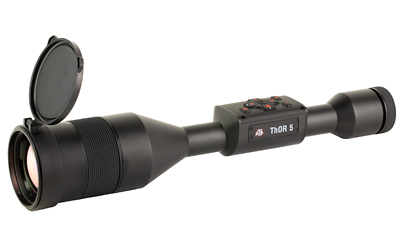
7. Best lower-cost ATN option: ATN ThOR 5 320
A lower-cost option may fit a hunter who has a defined budget and wants to compare the exact features included at that price. We should verify the current model specifications and compare them with what we actually need, rather than assuming that the number in a model name describes every important difference.
The useful comparison is practical: check the image specifications, magnification, physical dimensions, mounting arrangement, and included accessories for the exact configuration. Confirm current pricing as well. If a feature is important to us, look for it in the product documentation instead of inferring it from a family name.
Once those details are clear, we can weigh the cost against our intended use and the time we will spend learning the scope. A sensible budget decision leaves room for proper setup and practice. It does not require us to buy capabilities we will not use, but it does require us to verify the ones we need.
8. Best premium American-made option: N-Vision Halo XRF
For a premium choice, we should be precise about what the listing actually documents and what we personally value. The “American-made” wording in this heading is a prompt to confirm the product’s origin from reliable current product information, not a detail we should infer from a name. We should verify any origin claim before relying on it.
We can then compare the specifications that affect our decision: image details, controls, dimensions, mounting, and included equipment. The relevant question is whether the verified configuration suits our hunting conditions and rifle, not whether a premium label automatically means a better fit. If a specification is unclear, we should ask before purchasing.
A higher price makes a careful fit check more worthwhile. We should handle the scope if possible, confirm that its controls and dimensions work for us, and understand the current warranty and package details from the seller or manufacturer. With those facts in hand, we can decide whether the premium option is a practical match.
9. Best rugged high-end option: Trijicon IR-HUNTER Mk3
A ruggedness claim should be supported by documented product information, not assumed from price or appearance. Before treating this as a hard-use choice, we should check what the manufacturer says about construction and operating conditions, along with the current specifications and included items. We should avoid attributing a rating or capability that the listing does not state.
For any high-end scope, handling and setup are part of the decision. We should confirm that the optic fits the rifle, that the mounting arrangement is appropriate, and that we can use the controls comfortably. A thermal monocular for scanning may also be worth considering as a separate tool for locating heat before we use a riflescope to assess a potential shot.
The right choice depends on our priorities and on verified information for the exact product. We should compare the documented durability details with our use, then factor in fit, price, and practice. No label replaces safe handling, positive identification, and a sound decision about the shot.

10. Best for hunters who want a compact unit: InfiRay Outdoor RICO Mk1
A compact option appeals when dimensions and handling matter to our setup. We should verify the exact product’s measurements and weight from current documentation rather than assuming those details from the word “compact.” Fit can feel different across rifles and shooting positions, so the published specifications are a starting point, not the whole test.
Check how the scope mounts, where its controls fall, and whether its listed image specifications suit our intended use. We should also review the current package contents and any stated operating requirements. Those checks help us compare this model with other compact choices without filling in gaps from assumptions.
Before taking a scope into the field, we should spend time setting it up and learning its controls. That matters for any model, regardless of size or price. When the unit fits our rifle and we know what its specifications do and do not establish, we can make a more deliberate choice.
Choosing a thermal scope for hog hunting
The best thermal scope for hog hunting is the one whose verified specifications, fit, and price match our terrain and experience. We should confirm the exact model details, practice with the complete setup, and identify both the animal and its surroundings before making a shot. For the store’s broader offerings, we can compare the thermal scopes we have in stock and confirm product details before ordering. If you are newer to hogs, Texas Parks and Wildlife has a solid primer on wild pigs and how landowners control them.
Frequently Asked Questions
What should we compare when choosing a thermal scope for hog hunting?
Compare the exact model’s verified image specifications, magnification, dimensions, mounting requirements, controls, included items, and current price. Then consider how those details fit our rifle, terrain, and intended use.
Does a thermal scope identify an animal for us?
No optic removes the need for the hunter to make a positive identification. We should assess the animal and its surroundings using the methods appropriate to our setup before deciding whether a shot is safe.
Is higher image resolution always the best choice?
Not automatically. We should compare the full set of verified specifications with our terrain, expected distances, budget, and ability to use the optic. A single number does not determine whether a scope is the right fit.
How do we choose a scope for open fields?
Start with the distances and sight lines we actually encounter, then compare the current product specifications that relate to viewing and identification. Do not assume a particular identification distance from a model name or one specification alone.
Should we consider a separate thermal scanner?
A handheld thermal device can be considered for scanning separately from a riflescope used to assess a potential shot. Check the exact device’s documented features and practice safe handling with the complete setup.
What should we check before mounting a thermal scope?
Verify the scope’s dimensions, mounting arrangement, package contents, and compatibility with the rifle setup using current product documentation. If any point is unclear, confirm it with the seller or manufacturer before installation.
How can we prepare before a night hunt?
Learn the controls, practice with the complete setup, and plan how we will identify the target and what lies beyond it. We should also confirm current local rules and hunt only where we have permission.

Lance Rankin is the owner and Chief Gunsmith of Western Sport, a family-run Type 07 FFL and Class 3/SOT dealer in Roanoke, Texas, serving shooters since 2007. Born and raised in Texas with over 50 years of experience handling firearms, Lance purchased Western Sport in 2017 and turned his lifelong passion into his profession. He specializes in AR-15 and AR-10 platform rifles, manufactures Western Sport’s own AR-15 line under the Rankin Industries brand, and runs the shop’s in-house Cerakote coating operation. When he’s not behind the counter or the workbench, you’ll find him on his ranch deep into the night, hunting coyotes with an AR-15 and thermal optics. Lance holds an MBA and personally shoots and tests the products Western Sport sells.


