Choosing between 6.5 Creedmoor and .308 Winchester comes down to what we plan to do with the rifle, how much we expect to practice, and what ammunition we can actually find. In the 6.5 creedmoor vs 308 debate, neither cartridge wins every job. We’ll get a clearer answer by comparing real-world tradeoffs rather than treating either one as a magic answer.
What separates 6.5 Creedmoor from .308 Winchester
Both cartridges are widely used for hunting and target shooting, but they launch bullets of different diameters and are commonly loaded with different bullet weights. Those differences shape trajectory, recoil, and the range of available loads. Rifle design and the particular ammunition matter too, so the cartridge name alone cannot tell us exactly how a rifle will perform.
Bullet diameter, weight, and typical loads
The 6.5 Creedmoor uses bullets around .264 inch in diameter, while .308 Winchester uses bullets around .308 inch. Factory 6.5 Creedmoor hunting and target loads commonly fall in the 120- to 143-grain neighborhood; .308 Winchester offerings often include bullets from roughly 150 to 180 grains, along with lighter options. Those are common patterns, not limits, and a specific load’s published data is what counts for that load.
A larger, heavier bullet is not automatically more effective, just as a lighter bullet is not automatically a better choice. The useful comparison is between bullets designed for the job we have in mind. For hunting, that means checking the maker’s information about the bullet’s intended use, then matching it to the game and the shot we can responsibly take.
How barrel length and rifle setup affect performance
Barrel length, rifle weight, stock fit, and the way a rifle is set up all affect what we experience. A lighter rifle is easier to carry, but it generally moves more when fired. A longer barrel can influence velocity, while optics, a muzzle device, and a suppressor add weight and change the rifle’s balance. There is no single barrel length that makes either cartridge the right answer for every hunter.
For a concrete example of how a rifle’s configuration is described, Western Sport’s page for the Bergara Ridge SP lists a compact hunting rifle with an 18-inch barrel. That page gives us the details of that particular 6.5 Creedmoor rifle; it should not be treated as a universal measure of cartridge performance. We should compare the exact rifle configurations we are considering, not just the caliber stamped on the box.
What the cartridges share—and what they do not
Both cartridges can be used in suitable rifles for deer-sized game and for range practice. Both also have hunting and target ammunition options, though the mix on a local shelf can differ. We should never assume that ammunition for one chambering fits the other, or rely on a rifle’s appearance to identify its chambering. Read the rifle markings and the ammunition label every time.
What they do not share is their bullet diameter or cartridge dimensions. Each rifle must be chambered for the cartridge marked by its manufacturer. That sounds basic, but it is worth keeping in mind when we are comparing multiple rifles or buying ammunition for more than one person in the household.
Why neither cartridge is automatically the better choice
The better choice depends on whether we value lower recoil in a comparable rifle, a wider range of heavier-bullet options, or the trajectory of a particular load. Cost and availability matter as much as the spec sheet if we plan to practice often. We should begin with the job, then compare rifles and ammunition that are actually available to us.
Ballistics and effective range
The 6.5 Creedmoor is often chosen for a trajectory that can be easier to manage at distance, while .308 Winchester offers a broad selection of bullet weights and load types. That does not establish a universal effective range for either cartridge. Distance depends on the specific rifle and load, the conditions, and the shooter’s ability to place a shot accurately and judge it correctly.
Trajectory and wind drift at common hunting distances
Trajectory describes a bullet’s path relative to the line of sight; wind drift describes how far wind moves it from that path. At a given distance, two loads can behave differently even if they share a cartridge. In many comparisons, a well-matched 6.5 Creedmoor load has a flatter trajectory and less wind drift than a typical .308 hunting load, but the exact result depends on the bullets, muzzle velocity, and conditions.
We should use the ballistic table from the ammunition maker for the exact load in our rifle, then confirm its behavior through practice. A chart is a planning aid, not permission to stretch a shot. Wind that is hard to read, an uncertain distance, or an awkward field position can matter more than a modest paper advantage.
Retained energy and bullet performance downrange
A bullet’s energy is only one piece of the hunting question. Bullet construction and impact velocity help determine how a specific projectile behaves, and shot placement remains central. We should not treat a single energy number as a guarantee of a particular result on an animal.
For perspective, it helps to compare the kinds of questions we can answer from a load’s published information rather than assuming one cartridge always has the advantage:
| What we compare | What to check | Why it matters |
|---|---|---|
| Bullet design | The manufacturer’s stated use | Hunting and target bullets are built for different jobs |
| Muzzle information | Published velocity for that load | It provides a starting point for trajectory estimates |
| Downrange data | The maker’s figures at relevant distances | It helps us plan without guessing |
| Rifle setup | The rifle’s chambering and barrel details | A load’s results can vary with the rifle |
The table is a checklist for comparing actual loads, not a ranking of cartridges. For hunting, we should confirm that the bullet is suitable for the intended game and stay within distances where we can make a responsible shot.
What changes when you compare specific loads
The answer can shift when we compare a particular 6.5 Creedmoor load with a particular .308 Winchester load. Bullet weight, shape, construction, and published velocity all matter. If we compare a target load with a hunting load, we are also comparing different purposes, not simply two cartridges.
Western Sport’s rifle ammunition selection describes available types such as practice, hunting, and match loads, including offerings in both calibers. Inventory changes, so we should check current listings or ask about a particular load rather than assume every option is on the shelf. Once we settle on a load, we can practice with it and use its own published data.
How to think about distance without overestimating your ability
A cartridge does not set a safe or ethical distance by itself. We need to know the range, understand the wind, use a stable position, and be confident in our ability to place the shot under field conditions. If any of those pieces are uncertain, the responsible choice is to pass or get closer.
The same discipline applies at the range. We can learn our rifle and load at known distances, build confidence in practical positions, and avoid confusing a successful shot from a bench with the ability to repeat it from an improvised field position.
Recoil and range comfort
Recoil affects how comfortable a rifle feels and how readily we can practice with it. In similar rifles firing comparable loads, 6.5 Creedmoor is often the more comfortable option for many shooters, while .308 Winchester can produce a sharper push. The exact sensation depends on rifle weight, stock fit, and other setup details, so we should shoulder the rifle and, when possible, try it before buying.
How recoil typically compares in similar rifles
A typical 6.5 Creedmoor load may be easier to shoot repeatedly than a typical .308 Winchester load in rifles of similar weight. That is a general comparison, not a promise about every rifle or load. A light hunting rifle can feel lively in either chambering, and a heavier rifle can make either one more comfortable.
Comfort matters because flinching or bracing for the shot makes it harder to shoot well. If we are sensitive to recoil, we can ask to handle comparable rifles and pay attention to how each fits, rather than relying on a cartridge’s reputation alone.
Why rifle weight and stock design matter
Rifle weight and stock shape change how the rifle rests against us and how it moves during recoil. Length of pull, comb height, and the way we hold the rifle can affect comfort and sight picture. A rifle that fits poorly may be unpleasant to practice with even if its cartridge is considered mild.
There is a tradeoff: a lighter rifle is easier to carry through a long day, while additional weight can help steady the rifle and soften recoil. We should decide which matters more for our typical use, then handle rifles with those priorities in mind.
Which cartridge may be easier for newer shooters to practice with
For a new shooter choosing between otherwise similar rifles, 6.5 Creedmoor may be the more comfortable place to start because recoil is often more manageable. But a rifle that fits well and feels natural can be the better practice rifle regardless of chambering. We should also follow the range’s rules, use eye and ear protection, and get hands-on instruction when needed.
Western Sport has published an example of a 6.5 Creedmoor rifle in its Adams Arms P3+ review, describing a specific 24-inch-barrel rifle. It is an example of one rifle configuration, not a recommendation that every new shooter needs a long-range setup. A straightforward, well-fitting rifle and regular practice are more useful starting points.
How more practice can matter more than a small ballistic advantage
The best ballistic comparison does little for us if we rarely practice or do not know how our rifle behaves. Repetition helps us confirm our zero, learn the trigger and stock, and understand what we can do from field positions. We should choose the rifle we will carry and shoot enough to know well.
A practical practice plan can focus on a few habits rather than chasing a number on a chart:
- Confirm the rifle’s zero with the hunting load we intend to use.
- Practice from supported and field-style positions at known distances.
- Learn to estimate distance and observe how wind affects the shot.
- Keep a record of the rifle, load, and conditions for each range session.
Those habits build useful knowledge about our own equipment. They also help us recognize when conditions are outside our comfort zone, which matters more than a small difference between two load charts.
Hunting performance
For deer and similar-sized game, either cartridge can be suitable when paired with an appropriate hunting bullet and used within the shooter’s ability. We should choose a load designed for the intended game, verify local rules, and pass on shots we cannot place confidently. Cartridge debates tend to make the equipment sound more decisive than it is; preparation and judgment still carry the weight.
Deer and similar-sized game with either cartridge
Both cartridges have a long record as choices for deer hunting, and both are offered in purpose-built hunting loads. A responsible setup includes a rifle that fits, a load appropriate for the animal, and enough practice to place a shot accurately. We should make the decision based on our actual hunting conditions, not a claim that one cartridge makes shot placement less important.
For Texas-specific considerations, our deer rifle guide covers rifle choices and practice as part of preparing for a hunt. We should also check current hunting regulations for the place and season where we plan to hunt, since requirements can vary.
When .308’s heavier bullets may be useful
The .308’s broader range of common bullet weights can be useful when we want to consider heavier bullets for a particular hunting application. The right choice depends on the bullet’s design and the manufacturer’s intended use, not weight alone. We should compare specific hunting loads and follow their published guidance rather than assuming that heavier always means better.
A hunter who values the choice among different .308 loads may find that range a practical advantage. Still, load selection only helps if the chosen ammunition is appropriate for the rifle and available when we need to practice and hunt.
When 6.5 Creedmoor’s trajectory may help
A flatter trajectory can give us a little more room for range-estimation error with a particular load, especially as distances increase. It does not eliminate the need to know the distance, account for wind, or practice with the actual rifle. Hunters who expect to shoot across open country may value the trajectory characteristics of some 6.5 Creedmoor loads, but their field skills set the real limit.
We can compare published data for the load we plan to use, then verify our zero and practice at the distances relevant to our hunt. A chart can inform the decision, but it cannot confirm our ability to make a clean shot in changing conditions.
Bullet choice, shot placement, and local regulations
Bullet design, shot placement, and legal requirements belong in the decision before caliber preference. We should check the ammunition maker’s description, confirm the rifle’s chambering, and review the rules for the location and species we plan to hunt. We should not rely on generic online advice where local regulations or specific load instructions apply.
A useful final check is to bring the exact hunting load to the range, confirm the rifle’s zero, and make sure the rifle remains comfortable to carry and shoot. If we cannot make a reliable shot under the conditions in front of us, we do not take it.
Rifle, ammunition, and availability costs in 2026
Prices and stock vary by rifle, load, and retailer, so there is no single 2026 price that applies to every buyer. We should compare rifles in similar configurations and check the cost of ammunition we can use for regular practice, not just one premium hunting box. The best value is the setup that fits our use and that we can keep shooting.
Comparing rifle options in common configurations
Compare rifles by the features that matter for our use: overall weight, barrel length, stock fit, action type, and whether the rifle is easy to carry and maintain. Two rifles chambered for the same cartridge can feel quite different. A compact hunting rifle and a heavier rifle intended for more supported shooting are built around different priorities.
The Bergara Ridge SP is one specific 6.5 Creedmoor example listed with an 18-inch barrel. Its configuration can help us frame questions about maneuverability and carrying weight, but we should check the current product details and compare it with the actual .308 rifles under consideration. We should not infer performance from a product name alone.
What to check about ammunition price and local stock
Ammunition availability can decide a close comparison. Before buying a rifle, we should check local shelves and current online listings for the load types we expect to use, then compare prices over the quantity we realistically plan to shoot. Stock changes, and a load that is available today may not be available later.
We can check current ammunition and confirm the details of a particular load before placing an order. If a specific hunting or practice load is not listed, ask whether it can be sourced. Any online purchase should also follow applicable shipping and local requirements.
Match, hunting, and practice loads are not interchangeable
Match ammunition is made for target use, while hunting ammunition is designed for hunting applications. Practice loads may be a sensible way to get range time, but their point of impact and behavior can differ from a hunting load. We should never assume that one load’s data applies to another simply because both boxes carry the same cartridge name.
The straightforward approach is to practice with the load we intend to hunt with when practical, then verify the rifle’s zero with that load. If we also use a lower-cost practice load, we should confirm where it prints relative to the hunting load before the season.
Budgeting for optics, practice, and a suitable hunting load
The rifle price is only part of the budget. We should include an optic that suits the distances and conditions we expect, ammunition for practice, a suitable hunting load, and any range fees or other gear we need. A less expensive rifle that fits well and leaves room for regular practice may serve us better than spending the whole budget on the rifle alone.
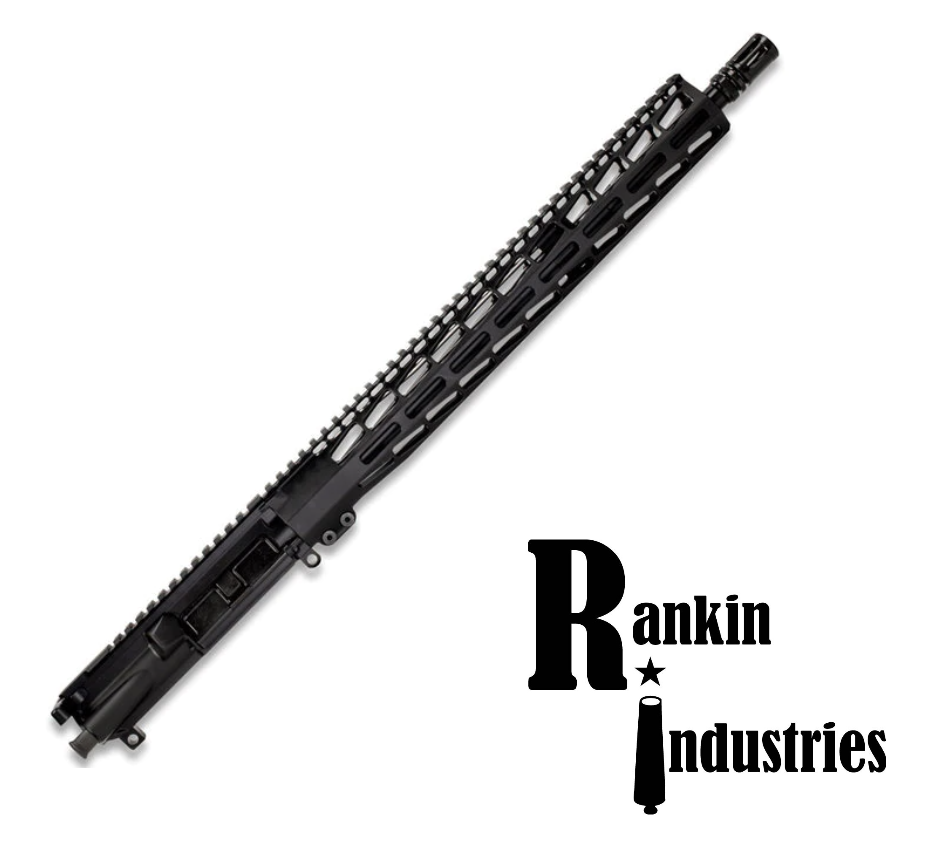
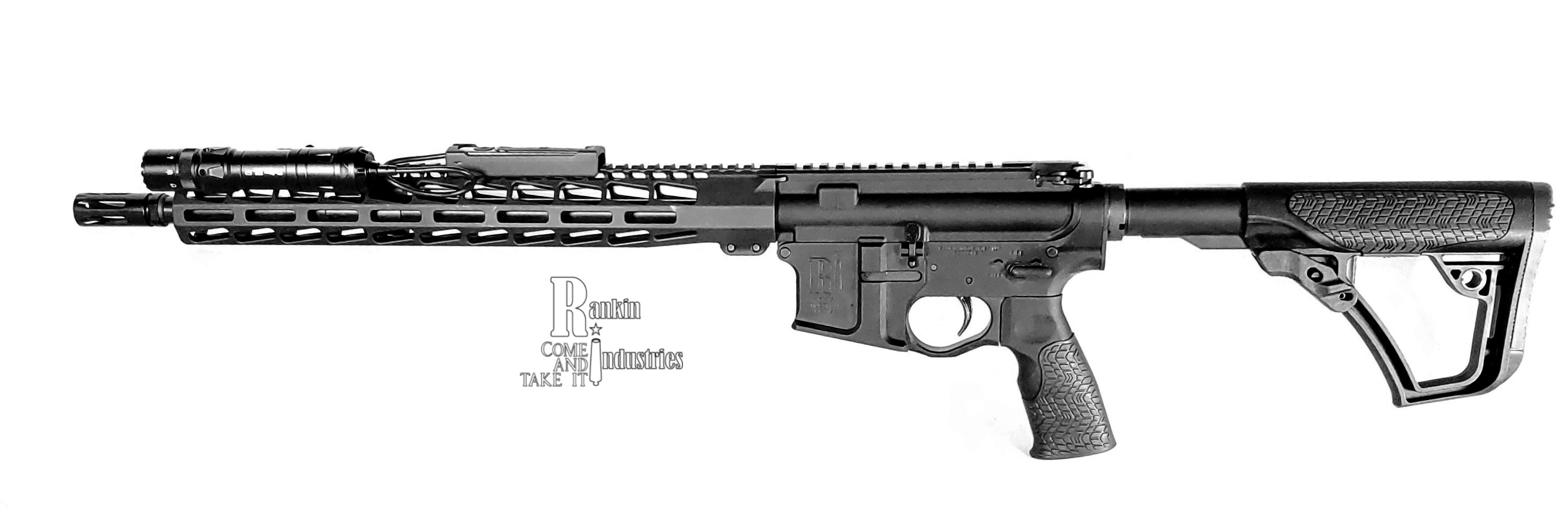
For an AR-10 project in 6.5 Creedmoor, Rankin Industries has a documented custom-build example with a 20-inch Ballistic Advantage stainless barrel. That build is a particular project, not a general specification for every rifle or a direct substitute for a hunting bolt-action. We should match the platform and its configuration to the job before comparing the total cost.
Choose by your intended use
If we mostly want a comfortable rifle for regular practice and value a flatter trajectory from suitable loads, 6.5 Creedmoor is worth a close look. If we value a broad selection of .30-caliber loads and heavier-bullet options, .308 Winchester may suit us better. Either way, the exact rifle, load, and amount of practice can outweigh a small paper advantage.
Pick 6.5 Creedmoor for long-range practice and a flatter trajectory
A 6.5 Creedmoor rifle can make sense for practice at distance if we value the trajectory of a suitable load and a recoil level that is often comfortable in comparable rifles. We still need to learn wind calls, confirm our zero, and practice from more than a bench. The cartridge helps with some parts of the task; it does not replace skill.
We should compare the rifle’s weight and barrel configuration with where we expect to shoot and how far we plan to carry it. A setup that works on a range may not be the one we want on a long hunting day.
Pick .308 for broad load selection and heavier-bullet options
The .308 is a sensible choice when we want to choose among a wide range of .30-caliber loads, including common heavier-bullet options. Its broad use also makes it a practical consideration when local availability is a priority. We should still compare actual loads, because ammunition type and intended use vary.
If .308 ammunition is easier to find where we shoot or hunt, that can make it easier to practice consistently. Confirm prices and current stock before making the purchase, rather than assuming availability based on the cartridge’s reputation.
Let local ammunition availability and rifle fit break a tie
When both cartridges fit the job, check which rifle feels better and which ammunition is easier to buy. Shoulder the rifles if we can, check stock fit, and compare the weight we will carry. Then look at the cost of enough practice ammunition to learn the rifle.
Those practical details are often more useful than trying to declare a winner from a single ballistic figure. A rifle that fits and gets used regularly is a strong reason to choose one setup over another.
Check your actual range, game, and practice needs before buying
Before we buy, we should define the distance and conditions we expect, the game we plan to hunt, and how often we can practice. Then we can narrow the options to rifles that fit those needs and compare the exact ammunition available. That process usually makes the decision plain without turning a cartridge choice into a contest.
We can also review Western Sport’s rifle ammunition selection for current listings in these calibers and compare the types of loads offered. Inventory can change, so we should verify a specific load before counting on it for a hunt or a season of practice.
Shop Rifle Ammunition
Check the current rifle and ammunition listings, or contact Western Sport with a question about a specific load before you decide.
Conclusion
For most buyers, the choice is straightforward: 6.5 Creedmoor favors a comfortable shooting experience and the trajectory of suitable loads, while .308 Winchester offers a wide range of bullet weights and load options. We should buy the rifle that fits our intended use, check the ammunition we can get, and practice enough to know where our own limits are.
Frequently Asked Questions
Is 6.5 Creedmoor better than .308 Winchester for deer?
Either can work for deer with an appropriate hunting bullet, accurate shot placement, and a distance within the shooter’s ability. Check local regulations and the ammunition maker’s guidance.
Which cartridge has less recoil?
In comparable rifles with typical loads, 6.5 Creedmoor is often more comfortable for many shooters. Rifle weight, fit, and the specific load can change the experience.
Which cartridge has a flatter trajectory?
Some 6.5 Creedmoor loads have a flatter trajectory than typical .308 Winchester hunting loads, but results vary by bullet and load. Compare the published data for the exact ammunition you plan to use.
Does .308 Winchester have more ammunition choices?
.308 Winchester is commonly offered in a wide range of bullet weights and load types. Local selection varies, so check current stock rather than relying on a general assumption.
Can we use the same rifle for both cartridges?
No. A rifle must be chambered for the cartridge marked by its manufacturer. Check the rifle markings and ammunition label before use.
Is 6.5 Creedmoor suitable for long-range shooting?
It can be used for long-range practice, but distance depends on the load, conditions, rifle, and shooter. Practice at known distances and do not treat a cartridge’s reputation as proof of a personal capability.
Should we practice with our hunting ammunition?
When practical, practice with the hunting load and confirm the rifle’s zero with it. If we use another load for practice, verify how it prints compared with the hunting load before relying on it in the field.

Lance Rankin is the owner and Chief Gunsmith of Western Sport, a family-run Type 07 FFL and Class 3/SOT dealer in Roanoke, Texas, serving shooters since 2007. Born and raised in Texas with over 50 years of experience handling firearms, Lance purchased Western Sport in 2017 and turned his lifelong passion into his profession. He specializes in AR-15 and AR-10 platform rifles, manufactures Western Sport’s own AR-15 line under the Rankin Industries brand, and runs the shop’s in-house Cerakote coating operation. When he’s not behind the counter or the workbench, you’ll find him on his ranch deep into the night, hunting coyotes with an AR-15 and thermal optics. Lance holds an MBA and personally shoots and tests the products Western Sport sells.