
Night Vision



Night Vision
Showing all 20 results
-
Sale!Add to cart
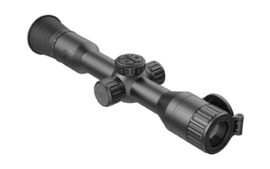
AGM Global Vision Spectrum 4K Mini, Day/Night Scope, Black
Original price was: $845.00.$595.00Current price is: $595.00. -
Sale!Add to cart
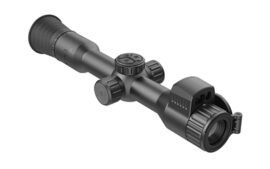
AGM Global Vision Spectrum LRF 4K Mini, Day/Night Scope, Black
Original price was: $1,045.00.$995.00Current price is: $995.00. -
Sale!Add to cart
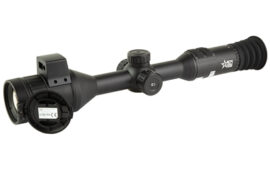
AGM Global Vision Spectrum LRF 4K, Night Vision Scope, Black
Original price was: $1,295.00.$1,195.00Current price is: $1,195.00. -
Add to cart
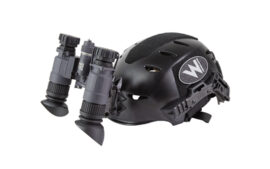
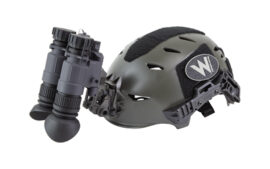
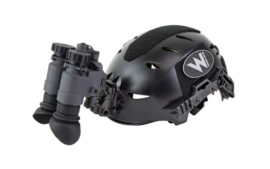
Armasight BNVD-40 Gen 3 White Phosphor Kit, Night Vision Binocular, Gray, Fom Ult XL
$9,999.00 -
Add to cart

Armasight BNVD-40 Gen 3 White Phosphor Kit, Night Vision Binocular, Gray, Ult KT M/l
$9,999.00 -
Add to cart
Armasight BNVD-51 Gen 3 White Phosphor Kit, Night Vision Binocular, Gray, Ult KT XL
$9,999.00 -
Add to cart
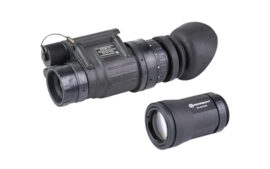
Armasight PVS-14 Gen 3 White Phosphor, Night Vision Monocle, Black
$4,499.00 -
Sale!Add to cart
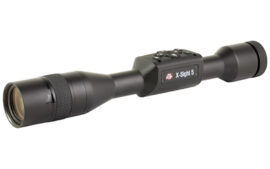
ATN Corp X-Sight 5, Black, 3-15X Day/night Scope
Original price was: $659.00.$599.00Current price is: $599.00. -
Sale!Add to cart
ATN Corp X-Sight 5, Black, 5-25X Day/night Scope
Original price was: $769.00.$699.00Current price is: $699.00. -
Sale!Add to cart
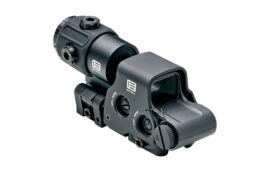
EOTECH Holographic Hybrid Sights, Night Vision Sight, Black
Original price was: $1,409.00.$1,339.00Current price is: $1,339.00. -
Sale!Add to cart
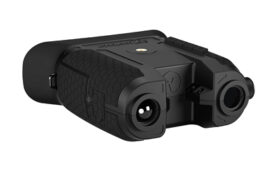
Firefield Hexcore HD, Night Vision Binocular, Black
Original price was: $259.20.$215.97Current price is: $215.97. -
Sale!Add to cart
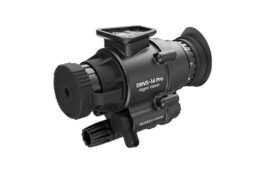
INFITAC DNVS-14 Pro, Black
Original price was: $3,199.00.$3,099.00Current price is: $3,099.00. -
Sale!Add to cart
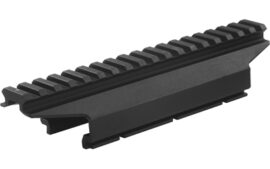
Magpul Industries Pro NVM – Night Vision Mount, Black
Original price was: $149.95.$142.45Current price is: $142.45. -
Add to cart
RIX Tactical Tourer, Black
$899.00 -
Sale!Add to cart
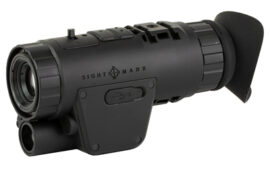
Sightmark Sightmark Wraith 4K 1x Monocular, Night Vision Sight, Black
Original price was: $839.99.$699.97Current price is: $699.97. -
Sale!Read more

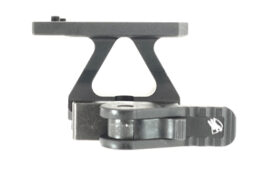
American Defense Mfg. AD-AEMS, Quick Detach Mount, 2.33″ Night Vision Height, Black
Original price was: $138.86.$131.92Current price is: $131.92. -
Read more
Armasight BNVD-51 Gen 3 White Phosphor Kit, Night Vision Binocular, Gray, Ult KT M/l
$9,999.00 -
Sale!Read more
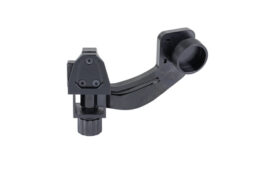
Armasight PVS-14 J-Arm Dovetail Adapter, Mount, Black
Original price was: $149.00.$129.00Current price is: $129.00. -
Sale!Read more
ATN Corp X-Sight 5, Black, 3-15X Day/night W/lrf
Original price was: $985.00.$895.00Current price is: $895.00. -
Read more
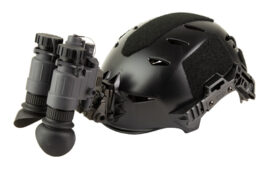
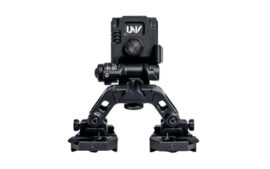
IRAYUSA Universal Helmet Mount, Night Vision Mount, Black
$999.00






- What it is: Night vision amplifies the small amount of light already there — starlight, moonlight, an IR illuminator — so you see a recognisable scene. That is the difference from thermal, which images heat and needs no light at all.
- Two completely different technologies here: Gen 3 image-intensifier tubes (analogue, passive, no screen lag, helmet-mountable, expensive) and digital night vision (a sensor and a screen — cheaper, records video, usually wants an IR illuminator in true darkness).
- Tube grade is the spec: On Gen 3 units the headline number is FOM, resolution multiplied by signal-to-noise. Higher is better, and it is what separates two otherwise identical housings.
- White phosphor: The modern preference over green — most people find the greyscale image easier on the eye and easier to read detail in over a long night.
- FFL status: Night vision is an optic, not a firearm and not an NFA item — no FFL transfer, no Form 4. Order online and it ships to your door.
What we carry
Gen 3 white phosphor from Armasight — PVS-14 monoculars and BNVD-40 and BNVD-51 binocular kits in graded tube tiers. Digital night vision from AGM Global Vision (Spectrum 4K and Spectrum LRF 4K), ATN, Sightmark, INFITAC and Firefield. Plus the mounting hardware that actually makes a setup work: night-vision-height quick-detach mounts, helmet mounts, PVS-14 J-arm adapters, and NV-compatible holographic sights.
Tube or digital?
Buy a Gen 3 tube if you need to move — walk, drive, fly a helmet-mounted setup — because there is no screen latency between what happens and what you see, and a passive tube gives away nothing. Buy digital if the device will be used from a fixed position, if you want to record what you see, or if the budget will not stretch to a tube. A digital unit at a third of the price is a genuinely useful tool; it is just a different tool.
Night vision or thermal?
They solve opposite halves of the same problem. Thermal spots a warm animal in heavy cover at distance but tells you very little about what it is. Night vision shows you a scene you can read — terrain, fences, which way an animal is facing — but it cannot pull a hog out of a thicket. Hunters who run both scan with a thermal monocular and confirm with night vision.
Ordering
Night vision ships to your door, not to an FFL. Send us a message before you spend tube money if you want help reading two spec sheets against each other, and Credova financing is available at checkout.