


When we compare ddm4a1 vs ddm4v7, the first question is usually about the setup you want to live with: a quad rail and shorter barrel, or an M-LOK handguard and a 16-inch barrel. We can narrow the choice by looking at the exact rifle configuration, how you plan to equip it, and the details on the individual listing. Those checks matter because model names alone do not confirm every part included.
DDM4A1 vs DDM4V7 at a glance
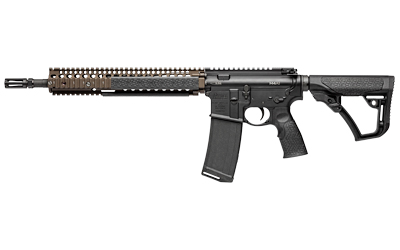
The practical distinction is the typical barrel and handguard pairing: the DDM4A1 is commonly associated with a 14.5-inch barrel and RIS II quad rail, while the V7 is commonly configured with a 16-inch barrel and M-LOK handguard. Gas-system length is another difference worth checking. Treat these as typical configurations, not a substitute for confirming the rifle’s SKU and listing.
The main differences in barrel and rail
The two models are often compared because their standard configurations take different approaches to length and accessory attachment. The A1’s quad rail provides continuous rail surfaces around the handguard, while the V7’s M-LOK slots let you attach compatible accessories where needed. The table makes the basic comparison easy to scan, but the listing should settle the details.
| Feature | DDM4A1 typical setup | DDM4 V7 typical setup |
|---|---|---|
| Barrel length | 14.5 inches | 16 inches |
| Handguard | RIS II quad rail | M-LOK |
| Gas system | Carbine-length | Mid-length |
That gives us a useful starting point, not a final verdict. If you want a particular rail or barrel arrangement, confirm it against the exact rifle rather than relying on a family name.
How gas-system length affects the comparison
The common configurations pair the shorter barrel with a carbine-length gas system and the 16-inch barrel with a mid-length system. That describes the hardware arrangement; it does not promise a particular recoil impulse or reliability outcome. Ammunition, maintenance, and the rest of the rifle’s setup can all affect what we feel when shooting.
Shared features and build quality
Both names refer to rifles in the same product family, but a shared family name should not lead us to assume every component or included item is identical. For an apples-to-apples comparison, check the barrel details, handguard, muzzle device, sights, and included accessories. We can also compare current DDM4 rifle configurations before deciding which setup is the closer fit.
Why the exact model configuration matters
A model label can be a useful shortcut, but specific SKUs and later configuration changes matter more when we are comparing actual rifles. Look at the manufacturer’s model number and the seller’s item description together, then confirm any feature that affects your plans. Check the full SKU before buying, especially if the barrel length or muzzle device is central to your decision.
Barrel length and overall handling
Barrel length affects the rifle’s overall dimensions and how it feels to move between positions. The common comparison is a 14.5-inch A1 setup against a 16-inch V7, but the full package also includes the muzzle device and handguard. We should compare complete rifles as they are offered, rather than judging by the barrel number alone.
The DDM4A1’s typical 14.5-inch barrel setup
A 14.5-inch barrel is the typical figure associated with this A1 configuration. The Firearm Blog has a good hands-on review of the Daniel Defense M4A1 if you want an outside take on the platform. A rifle listed with that length may also have a muzzle device permanently attached, so the overall length and legal classification cannot be inferred from the barrel measurement by itself. Confirm the exact configuration and applicable requirements with the seller and qualified professionals.
The V7’s typical 16-inch barrel
The V7 is commonly listed with a 16-inch barrel, a setup that avoids the need to assume a permanently attached muzzle device to reach a particular overall barrel measurement. Confirm the details on the exact listing, since product variants can differ. A V7 LW rifle is one example of a specifically identified V7-family configuration, but its listed features should not be assumed to describe every V7.
That example is useful as a reminder to compare the actual product page with the rifle in front of us. The model family points us in the right direction; the specific listing tells us what is included.

How muzzle-device attachment affects length
A muzzle device can be attached in different ways, and that distinction matters when a rifle has a shorter barrel. Do not assume that a device is permanently attached simply because a listing shows one installed. If barrel measurement or overall length is important to the purchase, ask the seller to verify the configuration and review the applicable rules with qualified counsel rather than relying on appearance.
What to check on used or older rifles
With a used or older rifle, we want to verify that its present configuration matches the description and that any changes are documented. The following checks help keep the comparison grounded in the rifle itself:
- Confirm the barrel marking and measured configuration with the seller.
- Check whether the muzzle device is removable or permanently attached.
- Compare the installed handguard and other parts with the listing or SKU.
- Ask about modifications, maintenance records, and included components.
Those steps help us avoid paying for a configuration that is different from the one we intended to buy. If a feature cannot be confirmed, treat it as unknown until the seller provides a clear answer.
Handguards and accessory setup
The handguard is one of the most visible differences between these configurations, and it changes how we attach accessories. A quad rail offers rail surface around the handguard, while M-LOK supports attachment at selected slots with compatible hardware. Neither choice tells us how the rifle will feel once equipped; that depends on what we add and where we place it.
RIS II quad rail on the DDM4A1
The typical A1 setup uses a RIS II quad rail. Its rail surfaces give us multiple mounting locations for compatible accessories, including lights and grips. Before adding equipment, check that each mount fits the rail and that its placement works with the rifle’s intended lawful use.
M-LOK handguard on the V7
The typical V7 handguard uses M-LOK attachment slots rather than full-length rail surfaces around the handguard. That gives us the option to install compatible mounts where we need them and leave other areas clear. As with any accessory system, verify mount compatibility and installation instructions before use.
Mounting lights, grips, and other accessories
We can plan an accessory setup around the way we hold and use the rifle, rather than filling every available attachment point. If the build starts with an upper receiver group instead of a complete rifle, compare the included parts carefully; for example, the M4 URG V11 upper listing identifies its included components. The separate DD4 RIII-S upper listing also directs buyers to check the included components, which is a good habit for any upper purchase.
Weight and feel once equipped
An unloaded rifle’s listed weight is only part of the picture. A rail system, optic, light, sling, and other additions change how much weight we carry and where it sits. We should handle the rifle with the intended accessories if possible, because an empty handguard and a fully equipped one can feel quite different.
Recoil, balance, and range use
Gas-system length, barrel configuration, handguard, and accessories all contribute to how a rifle feels during use. We should not turn those differences into a guarantee about recoil or performance: ammunition and setup vary, and individual impressions are not universal. For a broader look at available configurations, the Daniel Defense rifle lineup offers a useful place to compare listings.
How the gas systems shape the shooting feel
The typical carbine-length and mid-length configurations provide a concrete hardware difference to compare, but gas-system length alone does not establish how a particular rifle will shoot. Ammunition choice, maintenance, and other components matter too. If the feel is a priority, try to handle and, where appropriate, evaluate the exact configuration rather than relying on a general description.
Handling differences from the rail and barrel
The shorter typical barrel and quad rail create a different package from a 16-inch barrel and M-LOK handguard. Once we add an optic or light, balance shifts again. It is worth considering the complete setup, including where accessories mount, before deciding which configuration feels more natural to carry and handle.
Choosing for range sessions or general use
For ordinary range sessions, either configuration can be assessed by the same basic questions: does the rifle fit the shooter, is the setup comfortable, and are its controls and accessories arranged sensibly? A longer barrel or a particular rail does not automatically make a rifle the right choice for every range. We should choose around our own needs and follow safe handling practices.
Why ammunition and setup can change the feel
A comparison made with different ammunition or different accessories is not a clean comparison. Loads can vary, and even changing a light or optic can alter balance. When we evaluate how two rifles feel, keeping the ammunition and accessory setup as similar as practical gives us a more useful point of reference.
Price, ownership, and model checks
Price comparisons are only useful when the rifles being compared have the same basic configuration and comparable included parts. New and used listings can differ in condition, accessories, warranty coverage, and seller terms. We should check each detail before treating one asking price as directly comparable to another.
Comparing new and used prices
For a new rifle, compare the current listed price and exactly what comes in the box. For a used one, consider condition, service history, and any included accessories alongside price. We can check the current rifle selection, then compare individual listings rather than assuming that a shared model name means an identical package.
Verifying the SKU and included muzzle device
The SKU helps distinguish configurations that might look similar in a photograph. Verify the model number, barrel length, handguard, and muzzle device against the product description, and ask the seller to resolve any mismatch. That extra check is especially worthwhile when the listing uses a broad family name rather than a complete configuration description.
Checking condition, warranty, and included parts
Before buying, make sure we know what the seller means by “included,” whether the rifle is new or used, and what warranty terms apply. With a used rifle, ask about changes to the original configuration and inspect the condition in person when possible. Keep the answers together with the receipt and product details so we know what was represented at purchase.
Budgeting for an optic and other essentials
The rifle is not always the whole purchase. We may also need to budget for an optic, a sling, a light, compatible mounts, and routine maintenance items. Rankin Industries makes complete AR-15 uppers, build kits, rifles, and pistols; buyers considering those options can explore Rankin build options. Check the actual listing for its specifications rather than assuming features that are not stated.
Which rifle fits your priorities
The choice comes down to which configuration better matches our preferences for barrel length, handguard, and accessory plan. A shorter typical barrel paired with a quad rail appeals to buyers who want that specific arrangement; a 16-inch barrel and M-LOK suit those who prefer the V7’s common setup. We should verify each rifle’s SKU and choose for the lawful use we have in mind.
Pick the DDM4A1 if you want a quad rail
If we prefer rail surfaces around the handguard and want the typical 14.5-inch configuration, the A1 setup is the natural one to compare first. Confirm that the rifle being sold has the expected RIS II handguard and barrel arrangement. The actual SKU still matters, particularly if a used rifle has been modified.
Pick the V7 if you prefer M-LOK and a 16-inch barrel
If we want the typical 16-inch barrel with an M-LOK handguard, the V7 is the straightforward fit to investigate. Confirm the details on the individual listing and consider whether the attachment slots suit the accessories we plan to use. Variants within a model family may not share every feature.
Consider weight and accessory plans before buying
Think about the rifle both as purchased and as equipped. A light, optic, sling, or grip changes the balance, and the handguard determines which compatible mounts we need. If possible, handle the rifle with a similar setup before settling on the configuration.
Match the rifle to your intended lawful use
Start with the use you can describe clearly, then choose the configuration that fits it without assuming that one model is universally better. Check local and federal requirements that apply to the specific rifle and any planned changes; for legal questions, consult qualified counsel. A careful model and configuration check is more useful than relying on a nickname alone.
Shop rifles with our team
Compare current rifle options and confirm the configuration, included parts, and transfer details with the seller before placing an order.
Conclusion
The DDM4A1 and DDM4 V7 are easiest to compare by their typical barrel and handguard pairings: 14.5 inches with a quad rail versus 16 inches with M-LOK. Gas-system length and accessory plans add context, but the exact SKU, muzzle-device attachment, condition, and included parts should settle the decision. We can make a better choice by checking the rifle we are actually buying, not just the name on the listing.
Frequently Asked Questions
What is the main difference between these two configurations?
The typical comparison is a 14.5-inch barrel and quad rail against a 16-inch barrel and M-LOK handguard. Confirm the exact configuration on the listing.
Does barrel length alone determine overall rifle length?
No. The muzzle device and how it is attached can affect the overall configuration, so verify the details rather than estimating from the barrel figure.
Is a quad rail or M-LOK handguard better?
Neither is best for every buyer. Choose based on accessory compatibility, preferred mounting locations, and how the equipped rifle feels in hand.
What should we verify on a used rifle?
Check the model number, barrel and muzzle-device configuration, installed parts, condition, maintenance history, and what is included in the sale.
Can accessories change how a rifle balances?
Yes. An optic, light, sling, or other addition changes the rifle’s weight and how that weight is distributed. Consider the full setup, not only the bare rifle.
Should we compare new and used listings by price alone?
No. Compare configuration, condition, included parts, warranty terms, and seller information along with the asking price.
What is the best way to compare shooting feel?
Use the same ammunition and a similar accessory setup when possible, and assess the exact rifles safely. General descriptions cannot account for every shooter or configuration.

Lance Rankin is the owner and Chief Gunsmith of Western Sport, a family-run Type 07 FFL and Class 3/SOT dealer in Roanoke, Texas, serving shooters since 2007. Born and raised in Texas with over 50 years of experience handling firearms, Lance purchased Western Sport in 2017 and turned his lifelong passion into his profession. He specializes in AR-15 and AR-10 platform rifles, manufactures Western Sport’s own AR-15 line under the Rankin Industries brand, and runs the shop’s in-house Cerakote coating operation. When he’s not behind the counter or the workbench, you’ll find him on his ranch deep into the night, hunting coyotes with an AR-15 and thermal optics. Lance holds an MBA and personally shoots and tests the products Western Sport sells.


