
Rangefinders



Rangefinders
Showing all 38 resultsSorted by popularity
-
Sale!Add to cart
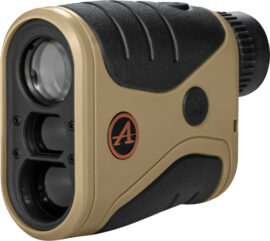
Athlon Rangefinder Talos G2 6X 850 Yards
Original price was: $249.99.$199.99Current price is: $199.99. -
Add to cart
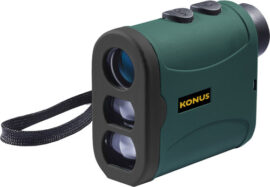
Konus Rangefinder Evo 1200 6X25 Hunt/golf Function Green!
$204.99 -
Sale!Add to cart
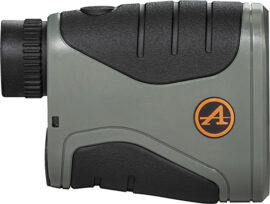
Athlon Rangefinder Midas G2 6X 1 Mile
Original price was: $374.99.$299.99Current price is: $299.99. -
Add to cart
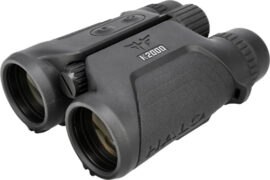
Halo Rangefinders K2000
$489.99 -
Sale!Add to cart

ATN Corp Thor 5 LRF Thermal Optic, TIWST5335LRF
Original price was: $2,595.00.$2,295.00Current price is: $2,295.00. -
Sale!Add to cart

ATN Corp Thor 5 LRF Thermal Optic, TIWST5650LRF
Original price was: $3,895.00.$3,495.00Current price is: $3,495.00. -
Sale!Add to cart

ATN Corp Thor 5 XD LRF Thermal Optic, TIWST51250LRF
Original price was: $5,895.00.$5,295.00Current price is: $5,295.00. -
Sale!Add to cart
ATN Corp Thor 5 XD LRF Thermal Optic, TIWST51210LRF
Original price was: $6,995.00.$6,195.00Current price is: $6,195.00. -
Add to cart

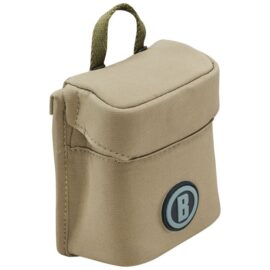
Bushnell Vault LRF Pouch Binoculars
$39.95 -
Add to cart

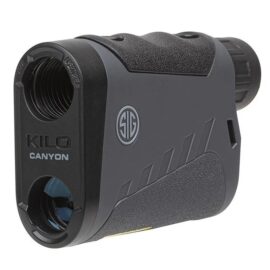
Sig Sauer Kilo CANYON Laser Rangefinder 6×22, SOKCN606OR
$152.91 -
Add to cart
Sig Sauer Kilo CANYON Laser Rangefinder 6×22, SOKCN606
$199.99 -
Sale!Add to cart

Crimson Trace Corporation Horizonline Laser Rangefinder 7×22
Original price was: $472.99.$417.95Current price is: $417.95. -
Add to cart

Sig Sauer KILO5K, Rangefinder, Ranger Green
$699.99 -
Add to cart
Sig Sauer KILO3K, Rangefinder, Black and Gray
$274.99 -
Sale!Add to cart
Burris Optics Signature HD, Laser Range Finder, Green and Gray
Original price was: $1,199.99.$999.99Current price is: $999.99. -
Add to cart
Leupold RX-5000 TBR/W DNA, Digital Rangefinder
$799.99 -
Sale!Add to cart
ATN Corp TICO 6, Laser Rangefinder, Black
Original price was: $1,865.00.$1,695.00Current price is: $1,695.00. -
Add to cart
Sig Sauer KILO3K, Rangefinder, Ranger Green
$349.99 -
Add to cart
Sig Sauer Buckmasters, Rangefinder, Black Color
$149.99 -
Sale!Add to cart
Sig Sauer KILO10K-ABS HD Gen 2
Original price was: $2,699.99.$2,429.99Current price is: $2,429.99. -
Sale!Add to cart
Leupold BX-4 Range HD Gen2, Shadow Gray, GEN Tbr/w 12X50
Original price was: $1,999.99.$1,699.99Current price is: $1,699.99. -
Sale!Add to cart
Leupold BX-4 Range HD Gen2, Shadow Gray, GEN Tbr/w 10X42
Original price was: $1,799.99.$1,499.99Current price is: $1,499.99. -
Add to cart
Leupold BX-4 Range HD, Shadow Gray
$3,999.99 -
Add to cart
Leupold RX-1400i TBR/W Gen 2, Rangefinder, Shadow Gray and Black
$199.99 -
Sale!Add to cart
Kinetic Development Group, LLC Kinect, Black, MLOK Athlon Rangecraft
Original price was: $98.99.$91.57Current price is: $91.57. -
Add to cart
Halo Optics XLR1600, Rangefinder, Black
$289.99 -
Add to cart
Halo Optics Z1000, Rangefinder, Black
$169.99 -
Sale!Add to cart
Crimson Trace Corporation Horizonline 2K LRF, Laser Rangefinder, Black
Original price was: $299.99.$269.95Current price is: $269.95. -
Sale!Add to cart
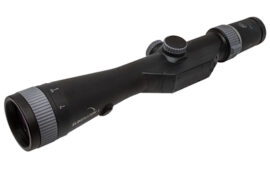
Burris Optics Eliminator VI, Black
Original price was: $2,999.99.$2,499.99Current price is: $2,499.99. -
Add to cart
Burris Optics Eliminator 5, Black
$2,399.99 -
Sale!Read more


Sig Sauer KILO850 Laser Rangefinder
Original price was: $239.99.$129.99Current price is: $129.99. -
Sale!Read more

Burris Optics Signature LRF 7×42 Rangefinder
Original price was: $359.99.$299.99Current price is: $299.99. -
Read more
Sig Sauer KILO4K, Rangefinder, Gray and Black
$599.99 -
Read more
RIX Tactical LRF, Rangefinder, Black
$519.00 -
Read more
Sig Sauer KILO6K-HDX Gen II, Rangefinder Binocular, Sage Green
$999.99 -
Read more
Leupold RX-FullDraw 5, Rangefinder, Black, Green
$499.99 -
Read more
Halo Optics CL300-20, Rangefinder, Black
$109.99 -
Read more
Halo Optics XL450, Rangefinder, Black
$139.99




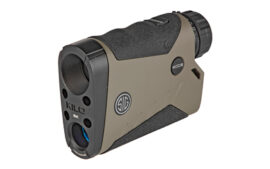
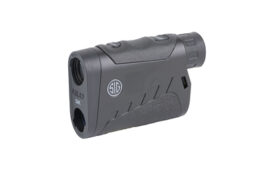
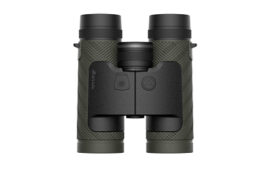
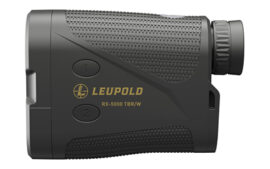
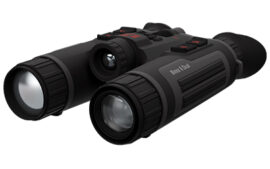
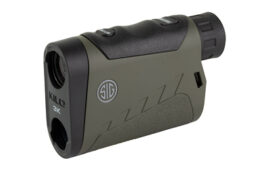
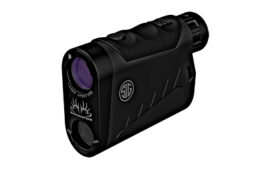
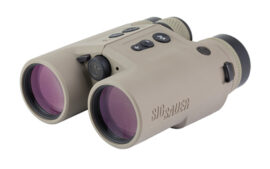
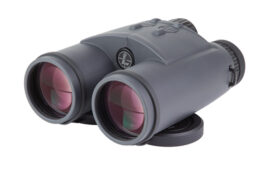
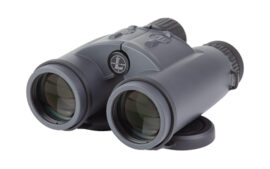
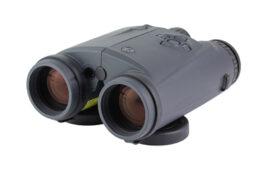
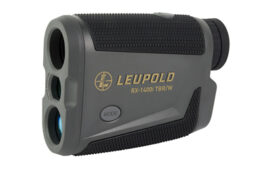
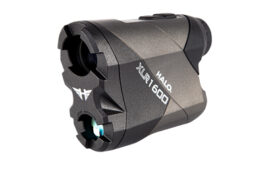
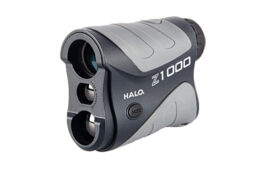
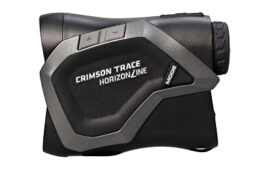
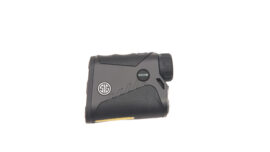

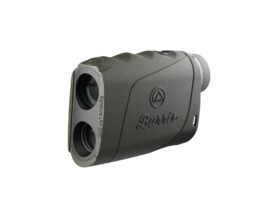
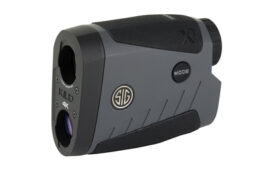

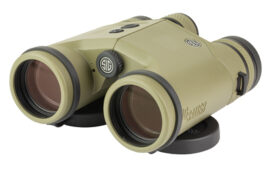
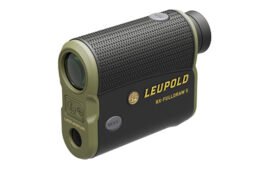
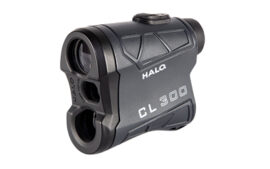
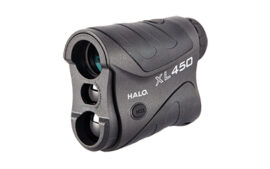
Western Sport carries laser rangefinders for hunting and long-range shooting from Sig Sauer, Leupold, Halo Optics, Burris, Crimson Trace and ATN. The lineup includes the Sig Sauer KILO3K and KILO5K, the Leupold RX-5000 TBR/W, the Halo XL450, Z1000 and XLR1600, and the Crimson Trace Horizonline 2K.
What we carry
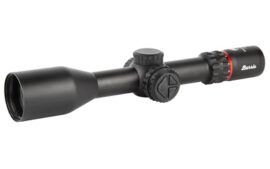
Compact handheld rangefinders for hunting, angle-compensating units for treestand and hill-country shots, long-range models reaching well past 1,000 yards on reflective targets, and ballistic rangefinders that output a holdover rather than a raw distance. Rangefinding binoculars such as the Leupold BX-4 Range HD and Sig Sauer KILO10K-ABS combine both jobs in one device, and the Burris Eliminator VI builds a laser rangefinder into a riflescope.
Advertised range is not your range
The headline number on the box is measured against a large, flat, highly reflective target. On a deer-sized animal in brush, expect roughly a third to a half of that, so a “1,200 yard” rangefinder is realistically a 400 to 600 yard deer rangefinder. If you hunt from elevation, angle compensation matters more than maximum range: the rangefinder reports the horizontal distance you should actually hold for, not the longer line-of-sight distance, and at steep angles that difference is a miss.
Common questions
What does angle compensation do on a rangefinder?
It gives you the horizontal distance to hold for instead of the longer line-of-sight reading. On steep shots from a stand, a ridge or a hillside, that is the number your bullet drop actually follows.
How far will a rangefinder really read on a deer?
Plan on roughly a third to a half of the advertised maximum. The box number comes from a large reflective target; hide, brush, rain and low light all shorten the reading.
Do I need a ballistic rangefinder?
Only if you shoot far enough that holdover matters and you want the device to give you a hold instead of a yardage. Inside a few hundred yards, a good angle-compensating unit covers most hunting.
Do I need an FFL to buy a rangefinder?
No. A rangefinder is an optic, not a firearm, so there is no Form 4473 or FFL transfer.