



The suppressor tax stamp dropped to $0 on January 1, 2026, and since October 9, 2026 you do not need a stamp, a Form 4, fingerprints or registration to buy a suppressor at all. I’m Lance Rankin, owner and gunsmith at Western Sport in Roanoke, Texas, and we have sold suppressors under both the old system and the new one. Here is what a can actually costs you now, and what changed.
Shop the gear in this guide
-
Sale!Add to cart

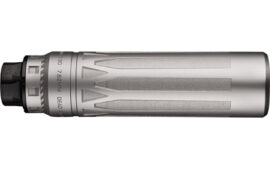
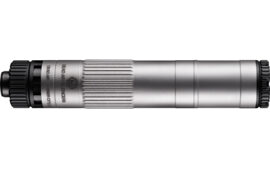
Dead Air Armament Nomad Ti XC, Suppressor, Direct Thread Mount, 6.74″ Length, 1.76″ Diameter, Silver
Original price was: $1,049.00.$999.00Current price is: $999.00. -
Sale!Add to cart

Dead Air Armament CT5P Patrol, Suppressor, 5.56 NATO/6MM ARC, 6.55″ Length, 1.6″ Diameter, Cerakote Finish, Xeno Black
Original price was: $979.00.$929.00Current price is: $929.00. -
Sale!Add to cart
Dead Air Armament Mojave 9, Suppressor, 9MM, 7.64″ Long Configuration, 5.89″ Short Configuration, Modular Silver
Original price was: $1,099.00.$1,029.00Current price is: $1,029.00.

The suppressor tax stamp is $0 in 2026
The short answer is that the federal tax amount for a suppressor became $0 on January 1, 2026. Since October 9, 2026, current guidance has also moved suppressors outside the NFA approval and registration process for transfers, though state law still matters. That makes the phrase “$0 stamp” a useful answer to the tax question, but not a complete description of the current transfer process.
What changed on January 1, 2026
On January 1, 2026, the federal tax on qualifying NFA items fell to $0. Before that date, the tax was $200 for a suppressor transfer. We can now separate the tax question from the broader question of what paperwork and transfer rules apply today.
Which NFA items qualify for the zero-dollar tax
The zero-dollar tax applies to suppressors, short-barreled rifles, short-barreled shotguns, and any other weapons covered by the relevant NFA tax provision. Current guidance also says federal enforcement of NFA approval, registration, and stamp requirements is not being applied to these items. Machine guns and destructive devices are not part of that change, so we should not assume the same treatment applies to them.
What the $0 tax does and does not mean
The $0 amount means no federal tax is due for a qualifying item under the current policy. It does not mean every firearm rule has disappeared: the item still has to be transferred through the applicable dealer process, and state and local restrictions may apply. For the latest overview of Texas suppressor rules, we should check the rules that apply where we live and take possession.
Why buyers should verify current ATF instructions
Federal guidance and dealer procedures can change, so a page or checklist written before October 2026 may describe an older process. Since October 9, 2026, suppressors no longer require an NFA Form 4, tax stamp, fingerprints, or registration for the transfer. We should confirm the instructions in effect when we place an order rather than rely on an old application walkthrough.
The other costs of buying a suppressor
Removing the federal tax does not make the suppressor itself free. The final amount can include the purchase price, the selling dealer’s charges, shipping, and sales tax where applicable. We can get a more useful estimate by asking for an itemized quote instead of treating the stamp amount as the whole cost.
The suppressor’s purchase price
The suppressor is usually the largest part of the budget, and prices vary by model and intended use. Before choosing, we should confirm that the suppressor is suited to the firearm and caliber we plan to use. Western Sport provides a place to browse suppressors by caliber or brand, which can help narrow the choices before we ask for a final quote.
Dealer transfer and processing fees
Dealer charges depend on the seller, the transfer arrangement, and the services included. Ask whether the quoted price includes shipping, transfer handling, and help with the current transfer steps. Get the answer in writing, since no tax and no dealer charge are separate things. For the record, Western Sport charges no NFA transfer or paperwork fee on suppressors you buy from us. A suppressor bought elsewhere transfers in for $40 plus $10 for the NICS check on a Form 4473, and a voluntary Form 4 is $200.
Fingerprints, photographs, and trust costs
Since October 9, 2026, a suppressor transfer does not require NFA fingerprints or photographs. A buyer considering a trust should distinguish that decision from the old Form 4 responsible-person paperwork. Trust formation and legal advice can carry their own costs, so we should understand the reason for creating one and consult a qualified attorney about its terms.
Sales tax, shipping, and other possible charges
Sales tax depends on the transaction and applicable state and local rules; shipping or other seller charges may also appear on a quote. Here is a simple way to keep the main line items distinct:
| Cost item | What to confirm |
|---|---|
| Suppressor | Model price and whether it is in stock |
| Dealer charge | Transfer or handling amount, if any |
| Sales tax | Whether tax applies to the transaction |
| Shipping | Whether delivery charges are included |
The federal tax line for a qualifying suppressor is $0 as of January 1, 2026, but the other entries still depend on the specific sale. An itemized estimate makes it easier to spot which charges are fixed and which need confirmation.
How buying a suppressor works now
Since October 9, 2026, ATF no longer requires a Form 4, a tax stamp, fingerprints, photos or registration for suppressors. The Justice Department did not appeal the Texas ruling that led to the change (the American Suppressor Association has the background). A can now transfers like any other firearm. State law still applies, so check yours first.
Choose a suppressor that fits your rifle or pistol
Match the can to the caliber and thread pitch you shoot most. If you are in Texas, you can buy from us directly. Outside Texas, we ship to an SOT dealer in your state who completes the transfer. Our guide to how suppressor buying works now walks through it step by step.
Fill out a Form 4473 at the dealer
A suppressor now goes through the same Form 4473 and NICS background check as a rifle or handgun. No Form 4 and no stamp. You do have to be 21 or older to buy one.
Bring a valid ID
Bring the same government-issued photo ID you would for any gun purchase. Fingerprint cards and passport photos are no longer part of a suppressor purchase.
Take it home once the background check clears
There is no ATF approval wait anymore. Once your NICS check comes back proceed and the 4473 is complete, the suppressor is yours to take home.
Individual ownership versus a gun trust
The individual-versus-trust question used to shape who was listed on an NFA application and which people supplied supporting information. With current guidance removing the suppressor Form 4 and NFA registration steps, that paperwork distinction is no longer the same part of a suppressor purchase. A trust remains a legal ownership structure, so the right choice depends on the buyer’s circumstances and the advice they receive.
When an individual application may be simpler
An individual purchase can be straightforward when one person is buying and taking possession through the dealer’s current transfer process. We should ask the dealer what identity and transfer documents are needed rather than assume the old individual Form 4 packet still applies. For questions about legal ownership, a qualified attorney can explain how an individual purchase fits a buyer’s situation.
How a trust affects responsible-person requirements
The old NFA process included responsible-person information for certain trust applications. Suppressor transfers no longer require NFA registration or Form 4 paperwork, so buyers should not assume those old responsible-person requirements apply to the current transfer. A trust can still have legal and practical consequences beyond this transaction; an attorney can explain them without relying on outdated forms.
Compare upfront costs with future flexibility
A trust may involve formation or legal fees, while an individual purchase may avoid that particular expense. Any potential flexibility should be weighed against the trust’s cost and the buyer’s actual ownership plans. We should compare the total costs and get legal guidance before choosing a structure, rather than create a trust just because an old suppressor checklist recommended one.
Avoid ownership changes while an application is pending
There may be no NFA Form 4 application pending for a suppressor under the current guidance, but a purchase can still be in the middle of a dealer transfer. We should not make informal changes to the buyer or recipient while the dealer is arranging that transfer. If a change is needed, ask the dealer how to handle it before proceeding.
What can affect the total cost and wait
The $0 federal tax does not set the full price or guarantee a particular transfer timeline. Dealer charges, applicable taxes, the route the item takes to the buyer, and state or local restrictions can all affect the transaction. We can avoid surprises by asking specific questions before placing the order.
Dealer fees vary by location and service
A seller’s advertised price may not include every transfer or shipping charge. The receiving dealer and the services involved can affect what we pay, so we should request an itemized total that names each fee. Western Sport’s published information describes its own transfer support, but another dealer’s charges may differ.
Application corrections can add delays
Since October 9, 2026, a suppressor purchase does not use the old NFA Form 4 application. Still, incomplete or inconsistent transaction information can require follow-up with a dealer before a transfer is finished. We should review names, contact details, and order information for accuracy and respond promptly if the dealer asks us to correct something.
State and local laws may limit ownership
Federal policy does not erase state and local rules. Restrictions can depend on where the buyer lives and where the suppressor will be transferred or possessed. Before ordering, we should confirm the rules that apply to our location; Texas buying guidance is one place to review questions about local process and eligibility, alongside current instructions from the dealer.
Approval time is separate from the tax amount
The federal tax amount and the time it takes to complete a dealer transfer are separate matters. Because current guidance does not require the suppressor Form 4 approval step, old wait-time estimates for that application do not describe the current route. We should ask the dealer for its present estimate rather than rely on a dated number.
How to estimate your full out-of-pocket cost
A practical estimate starts with the suppressor’s price and adds each charge that applies to the transaction. The federal suppressor tax is $0 as of January 1, 2026, but taxes, shipping, and dealer charges may remain. At our counter, we would want the total in writing before committing to the purchase.
Add the suppressor price and dealer charges
Start with the listed price, then add any seller or receiving-dealer charge that is not included. Ask whether the product ships directly to the receiving dealer and whether the quote includes transfer handling. The following short list keeps the estimate focused on the items most likely to be overlooked:
- Suppressor purchase price
- Seller or dealer transfer charges
- Shipping or delivery charges
- Applicable sales tax
These are separate line items, not a prediction that every buyer will pay each one. Once we have the dealer’s answers, we can add only the charges that apply to our transaction.
Include applicable taxes and optional services
The federal tax for a qualifying suppressor is $0 as of January 1, 2026. Sales tax and optional services are separate questions, so we should confirm them with the seller and receiving dealer. If a seller offers additional assistance, ask what it covers and whether it is already included in the price.
Check whether the quoted price includes transfer support
A quote can look complete while leaving out shipping or the receiving dealer’s charge. Ask who is handling the transfer, what support is included, and whether the current process differs for an in-state and out-of-state order. Western Sport’s published suppressor information describes its own ordering and transfer support; we should use the same itemized approach with any seller.
Confirm current rules before submitting payment
Before paying, check that the item can be transferred to your location and that the dealer’s instructions match current federal and local requirements. Keep the written quote and any transfer instructions with your order records. The key is to verify both the $0 federal tax and the separate charges that determine the actual amount due.
Conclusion
The suppressor tax stamp amount is $0 in 2026, and since October 9, 2026, suppressors no longer use the NFA Form 4, tax-stamp, fingerprint, or registration process. The buyer’s real budget still depends on the suppressor price, dealer charges, shipping, and applicable taxes, so we should verify the current transfer steps and total before ordering.
Shop the gear
- Dead Air Nomad Ti XC for .30 caliber rifles
- Dead Air CT5P Patrol for 5.56 rifles
- Dead Air Mojave 9 for 9mm pistols and carbines
- All suppressors
For help comparing suppressors and confirming the current transfer details, contact the shop before placing an order.
Frequently Asked Questions
Is the suppressor tax stamp still $200 in 2026?
No. The federal tax for a qualifying suppressor became $0 on January 1, 2026.
Do suppressors still require a Form 4 under current guidance?
No. Since October 9, 2026, suppressors transfer on a standard Form 4473 with a NICS background check. No Form 4 is required.
Do I need fingerprints for a suppressor transfer?
Current guidance says NFA fingerprints are not required for suppressor transfers. A dealer may still request information for the ordinary transfer process.
Does the $0 tax mean the suppressor itself is free?
No. The suppressor has a purchase price, and shipping, dealer charges, or applicable sales tax may add to the total.
Do state laws still matter when buying a suppressor?
Yes. State and local rules may limit ownership or affect a transfer, so check the requirements for the place where you live and will take possession.
Should I use an individual application or a gun trust?
Since October 9, 2026, a suppressor purchase does not use the NFA Form 4 application. A trust is a separate legal ownership choice, and buyers should consult an attorney about whether it suits their circumstances.
Can I rely on an old suppressor wait-time estimate?
Not necessarily. Estimates for the former Form 4 approval process do not describe the current transfer route, so ask the dealer for a current estimate.

Lance Rankin is the owner and Chief Gunsmith of Western Sport, a family-run Type 07 FFL and Class 3/SOT dealer in Roanoke, Texas, serving shooters since 2007. Born and raised in Texas with over 50 years of experience handling firearms, Lance purchased Western Sport in 2017 and turned his lifelong passion into his profession. He specializes in AR-15 and AR-10 platform rifles, manufactures Western Sport’s own Rankin Industries parts and rifles, and runs the shop’s in-house Cerakote coating operation. When he’s not behind the counter or the workbench, you’ll find him on his ranch deep into the night, hunting coyotes with an AR-15 and thermal optics. Lance holds an MBA and personally shoots and tests the products Western Sport sells.


