


The best suppressor host AR-15 is the one built around the can, not the one that happens to have threads on the muzzle. We set up suppressed rifles for customers every week, and the same handful of platforms keep earning their spot. Here is how we would frame each of the ten below, and what to check before you commit.
1. Daniel Defense DDM4 ISR
The Daniel Defense DDM4 ISR starts this list because a suppressor host should be judged as a complete system, not just as an AR-15 with a threaded muzzle. We would first match the rifle to the suppressor, ammunition, and shooting role. That keeps the discussion practical instead of turning it into a race for the shortest barrel.
At the counter, we would ask whether the rifle will stay dedicated to suppressed use or alternate between suppressed and unsuppressed shooting. We would also confirm the intended caliber, mounting method, and handguard clearance before choosing a can. Those details affect balance and maintenance as much as the rifle itself.
The right setup should still be comfortable when carried, should fit the owner’s ammunition plan, and should be easy to inspect after a range session. We do not treat a suppressor host as a magic category. It is a rifle-and-suppressor pairing that needs to make sense together.
2. Q Honey Badger
The Q Honey Badger belongs on the short-host side of this conversation. When we compare compact AR-15 configurations, we focus on how the shorter package fits the shooter’s actual use rather than assuming that smaller is always better. A compact host can be appealing, but the suppressor still has to suit the caliber and mounting arrangement.
We would keep the ammunition choice in view from the start. A rifle intended for quiet shooting may be paired with ammunition that behaves differently from the load used for general practice, so the host, optic, and zeroing plan should be considered together. That is a better buying question than simply asking which model is shortest.
For buyers who move between a vehicle, a range bench, and a storage case, handling can matter more than a small difference in paper specifications. We would check controls, stock or brace fit where applicable, and the space needed for the selected suppressor. The best suppressor host AR-15 is the one we can run naturally in the role we actually have.
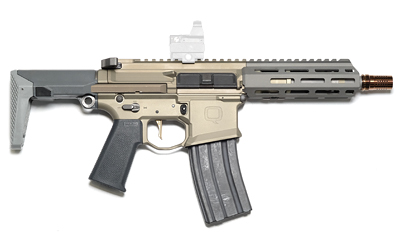
3. Noveske Gen 4 300 BLK
A .300 BLK host gives us a different set of decisions from a 5.56 setup. We would begin by deciding whether the rifle is being built around quiet shooting, general-purpose supers, or a mix of both. That choice influences the suppressor rating, ammunition supply, and the way we confirm reliability.
The subsonic .300 Blackout guide is useful background when we are sorting through those choices. It covers the relationship between ammunition, suppressor selection, mounting, gas tuning, and reliability without pretending that one load works for every rifle. We would use that framework before buying the can.
A 300 BLK host also deserves a clear labeling and storage plan if multiple AR-15s are in the safe. The cartridge uses the same general platform controls as other AR-15 rifles, but the ammunition is not interchangeable. We would keep the rifle, magazines, and ammunition plainly identified from the beginning.
4. Springfield Armory SAINT Victor .300 BLK
The Springfield Armory SAINT Victor .300 BLK is best considered through the buyer’s whole shooting plan. We would ask how often the rifle will be suppressed, what ammunition will be easiest to keep on hand, and whether the owner wants one host or a dedicated setup. Those answers are more useful than a generic list of features.
For a first-time suppressor buyer, the practical checklist is short: confirm caliber compatibility, confirm the mount, inspect clearance, and establish a zero with the suppressor installed. We would also make room in the budget for the mount and the ammunition needed for a proper function check. The rifle is only one part of the purchase.
A .300 BLK rifle can make sense for someone who wants flexibility between quiet and conventional loads, provided the ammunition plan is disciplined. We would not mix cartridges casually at the range. A simple labeling routine prevents an avoidable mistake and makes training days less fussy.
5. SIG Sauer M400 Tread .300 BLK
The SIG Sauer M400 Tread .300 BLK gives us another compact .300 BLK platform to compare by use case. We would look at how the rifle will be carried, what suppressor will live on it, and whether the owner expects to change configurations later. Those questions help separate a dedicated host from a general AR-15 purchase.
Here is the quick comparison we use before discussing a suppressor. It is not a ranking of the rifles; it is a reminder of the decisions that need to line up.
| Decision | What we confirm | Why it matters |
|---|---|---|
| Caliber | Suppressor and ammunition compatibility | Prevents an unsuitable pairing |
| Mount | Thread or quick-detach arrangement | Determines installation and removal |
| Ammunition | Subsonic, supersonic, or both | Shapes the intended use |
| Handling | Added length and front weight | Affects carry and balance |
After that check, we can discuss inventory and availability without losing sight of the setup. Our suppressor selection is organized around fitment questions such as caliber, mount type, weight, and length. We would rather match those details carefully than push a buyer toward a model that only looks good on a short list.
6. Daniel Defense MK18
The Daniel Defense MK18 is a familiar reference point for buyers who want a compact AR-15 configuration. We would evaluate it as a host by looking at the intended suppressor, barrel and gas-system arrangement, ammunition, and amount of shooting. The same compact format can serve very different owners.
A suppressed short-barreled rifle also makes gas behavior and balance worth discussing before the purchase. We would confirm that the suppressor is rated for the host and intended use, then verify the mount and zero rather than assuming the result. Our MK18 suppressor guide gives a more focused look at those trade-offs.
The useful lesson is simple: a compact host should be selected with the suppressor already in mind. We would check the complete configuration at the counter, including clearance and handling, before treating the rifle as finished.

7. Geissele Super Duty 11.5
The Geissele Super Duty 11.5 fits the buyer who is focused on a short, serious-use AR-15 configuration. We would avoid making broad promises about any rifle and instead ask how it will be carried, how much it will be shot, and whether the suppressor will remain installed. Those answers establish the relevant priorities.
For this kind of build, our checklist usually includes four practical items:
- Confirm the suppressor’s caliber and use rating.
- Confirm the mounting system and thread compatibility.
- Check handguard and suppressor clearance.
- Zero and function-check the rifle in its intended configuration.
That list keeps the purchase grounded in fit and process. It also leaves room for the owner’s preferred optic, sling, ammunition, and storage plan instead of treating the rifle as a complete answer by itself.
8. BCM Recce-16
The BCM Recce-16 represents a different conversation from the compact entries above. With a longer general-purpose format, we would focus on whether the owner wants a do-everything rifle that can also accept a suppressor. Carry distance, front-end balance, and the intended optic all deserve a place in that decision.
We would also compare the host to the suppressor rather than shopping for either one in isolation. A .30-caliber suppressor may offer broader compatibility, while a dedicated 5.56 can may be the more direct match for a 5.56 rifle. The choice depends on the owner’s other hosts, ammunition, and future plans.
Our 5.56 suppressor guide covers factors including backpressure, sound reduction, hard-use considerations, round counts, mounting systems, and compact handling. We would use it to narrow the suppressor field, then verify the exact fitment with the rifle and mount before ordering.
9. LWRCI DI 5.56
The LWRCI DI 5.56 belongs in the 5.56 side of the comparison. We would start with the owner’s training schedule and whether the rifle will be shared with other 5.56 hosts. A suppressor that moves between rifles needs a mounting plan that is consistent and easy to verify.
The most useful buying conversation here is about repeatability. We would establish one ammunition and zeroing routine, inspect the mount regularly, and record any changes made to the rifle. A repeatable setup matters more than an impressive product description when the rifle is used often.
Buyers who want a store-supported path can browse our suppressor inventory by caliber and mounting style. We would still confirm the suppressor’s specifications and the host’s fitment before purchase, especially when the can may be shared among several rifles.
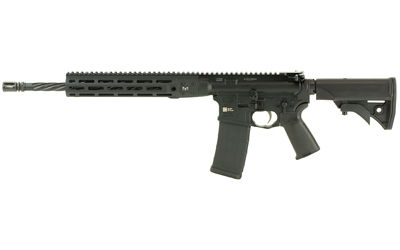
10. Sons of Liberty Gun Works M4-76
The Sons of Liberty Gun Works M4-76 rounds out the list as another AR-15 platform to assess on its intended job. We would not choose a suppressor host by brand name alone. The useful questions remain caliber, mount, ammunition, barrel length, balance, and how often the suppressor will be installed.
This is also where a custom route can make sense. Rankin Industries documents a suppressed AR-15 16.25-inch build designed for permanent suppression, with the suppressor integrated into the barrel for a legal 16.25-inch overall length. That is a specific approach for a buyer who wants a dedicated configuration, not a claim that every host should be built that way.
We would compare a factory rifle with a custom build by looking at the owner’s priorities and the work required after delivery. A dedicated rifle can simplify the routine, while a removable suppressor offers more flexibility. The better answer is the one that matches how we actually shoot, transport, and maintain the gun.
Conclusion
The best suppressor host AR-15 is not one universal model; it is the rifle, caliber, ammunition, mount, and suppressor combination that fits our real use. We would confirm compatibility, handling, and zeroing before buying, then ask the team at Western Sport to help us start the process with the right configuration.
Frequently Asked Questions
What makes the best suppressor host AR-15?
A good host is compatible with the suppressor, ammunition, and mounting system, while remaining reliable and manageable in the intended configuration. The complete setup matters more than the rifle name alone.
Should we choose 5.56 or .300 BLK?
Choose based on the shooting role, ammunition plan, and other rifles already owned. .300 BLK and 5.56 support different use cases, so we should decide whether quiet shooting, general practice, or flexibility is the priority.
Is a shorter barrel always better with a suppressor?
No. A shorter rifle may be easier to handle, but it can change balance, sound, ammunition performance, and the overall feel of the setup. We should choose length around the job rather than the smallest possible package.
Should the suppressor stay on the rifle?
That depends on the owner’s storage, transport, and shooting routine. A dedicated setup can be convenient, while a removable suppressor gives us the option to share it across compatible hosts.
Do we need a special mount for a suppressor host?
We need a mount that matches the suppressor and host. The choice may involve direct-thread or quick-detach installation, and we should verify thread specifications, clearance, and the manufacturer’s compatibility information before use.
How should we zero a suppressed AR-15?
We should zero the rifle in the configuration in which it will normally be used, then confirm the point of impact after installing or removing the suppressor. Record the result and follow the suppressor and rifle makers’ instructions.
What should we check before buying a suppressor?
Confirm caliber compatibility, mounting method, dimensions, weight, intended use, host clearance, ammunition, and the current legal process. The American Suppressor Association covers the federal side in plain English in its How to Buy a Suppressor guide. We should also ask a qualified dealer or counsel about requirements that apply to our location and situation.

Lance Rankin is the owner and Chief Gunsmith of Western Sport, a family-run Type 07 FFL and Class 3/SOT dealer in Roanoke, Texas, serving shooters since 2007. Born and raised in Texas with over 50 years of experience handling firearms, Lance purchased Western Sport in 2017 and turned his lifelong passion into his profession. He specializes in AR-15 and AR-10 platform rifles, manufactures Western Sport’s own AR-15 line under the Rankin Industries brand, and runs the shop’s in-house Cerakote coating operation. When he’s not behind the counter or the workbench, you’ll find him on his ranch deep into the night, hunting coyotes with an AR-15 and thermal optics. Lance holds an MBA and personally shoots and tests the products Western Sport sells.


