


A good carry pistol is one we can conceal, handle safely, and practice with regularly. In the glock 19 vs sig p365 comparison, the useful question is not which name wins on paper, but which exact version fits our hands, clothing, and routine. Start with the standard models, then verify the details on the specific pistol we are considering.
Start with the exact models
Before we compare carry comfort or range feel, we need to make sure we are comparing like with like. Product names can cover different generations, magazine configurations, and variants. Those details affect fit and can change what works with a particular holster.
Compare the standard Glock 19 and standard SIG P365
For a baseline, compare the standard compact Glock 19 with the standard SIG P365, rather than substituting a longer-grip or otherwise altered version. The broad trade-off is straightforward: one offers a fuller overall feel, while the other is built around a smaller footprint. The better starting point depends on whether we value more room for the hand or a compact package more. We can use our P365 model comparison to see how size and configuration choices vary within that family.
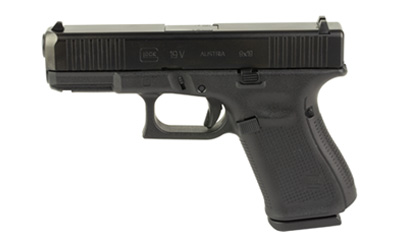
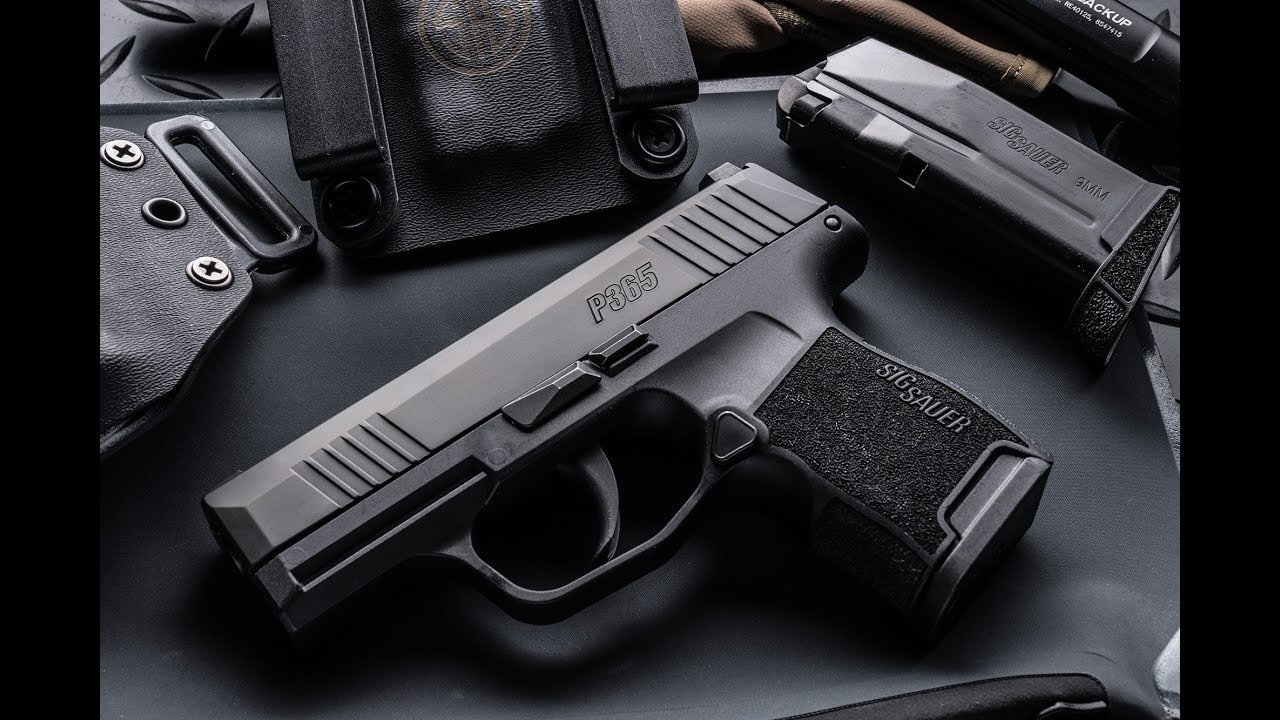
Note generation, magazine, and P365 variant differences
A model name alone does not tell us everything about the pistol in the case. Generations may differ, and magazines can vary in capacity and how they fit the grip; the P365 line also includes variants that are not the standard model. Check the maker’s current product information and the exact item listing before treating one example as representative of every version. That prevents a comparison from quietly turning into a matchup between different configurations.
Check current dimensions and unloaded weight before buying
Dimensions and unloaded weight are useful only when they belong to the exact versions being compared. We should check the manufacturer’s current specifications, then handle each pistol if possible, since measurements alone do not show how a grip feels or where its edges contact the body. Keep the comparison consistent by noting whether a listing describes the pistol alone or includes a magazine or other fitted equipment. A Glock 19 and Glock 17 comparison can also help put compact and larger-frame choices in context without substituting another model for the one under consideration.
Size, capacity, and weight
Size is more than the length of a slide. Grip height, width, and the way the pistol’s weight is distributed all affect carry and handling. We should compare the standard configurations first, then account for any magazine or equipment changes we actually plan to make.
Compare grip height, slide length, and width
Grip height matters because it is the part most likely to meet a cover garment, while slide length and width affect how the pistol rests against the body. The standard P365 has a smaller footprint than the standard Glock 19, while the Glock’s fuller grip may give some hands more surface to hold. These are practical differences, not a promise that either model will fit every person the same way. A side-by-side check with the intended holster makes the comparison more useful than a spec sheet alone.
Consider standard magazine capacity and available extensions
Capacity should be checked for the exact pistol and magazine configuration, not inferred from the model name. Extensions or alternate magazines can change grip length and how the setup conceals, so a change made to add capacity may also change the carry experience. This simple comparison keeps the trade-offs visible without assuming all versions share one capacity:
| What we compare | Standard Glock 19 | Standard SIG P365 |
|---|---|---|
| Overall footprint | Fuller compact profile | Smaller overall profile |
| Grip feel | More room for some hands | More compact grip area |
| Magazine setup | Verify the included magazine | Verify the included magazine |
| Configuration changes | Check fit and dimensions | Check variant and magazine fit |
Treat the table as a starting point, not a substitute for checking the exact manufacturer listing. Magazine capacity and fit can depend on the specific version, and changes to the setup may affect both grip length and concealment.
Account for how a loaded pistol affects carry weight
An unloaded specification does not tell us what the complete carry setup weighs. A loaded magazine and the chosen holster and belt all add weight, and a different magazine may change how the pistol sits. We should compare complete setups as we intend to carry them, using the same method for each model. That gives us a more honest sense of daily comfort than comparing unloaded figures alone.
Concealment and everyday comfort
A pistol can be small on a product page and still feel awkward after several hours. Concealment depends on how the grip and slide meet our body and clothing, as well as how often we sit, bend, or move through a normal day. We should judge the whole setup, not the pistol in isolation.
See how grip length affects printing under clothing
The grip is often the part that determines whether a pistol’s outline shows through clothing. A longer or fuller grip may be easier to hold but can need more attention when choosing a cover garment and carry position. The smaller footprint of the standard P365 can suit someone who is trying to reduce bulk, though body shape and clothing still matter. We can check for printing while standing and moving, rather than relying on a quick glance in a mirror.
Compare how each pistol sits in common carry positions
Carry position changes how the same pistol feels. Before settling on one, we can compare how each setup rests at the positions we are considering and whether it remains comfortable when sitting or walking. A position that works in one outfit or activity may be less comfortable in another. For a broader look at those variables, our IWB and OWB holster guide discusses how body type, clothing, activity, and firearm fit into the choice.
Factor in body type, wardrobe, and time spent carrying
There is no single wardrobe or body type that defines comfortable concealed carry. A useful try-on accounts for the clothing we wear most, the places we spend time, and how long we expect to carry. We can use a short, practical checklist when comparing setups:
- Wear a typical cover garment, not a special outfit chosen for the test.
- Check comfort while standing, sitting, and moving normally.
- Notice whether the grip or slide presses against the body.
- Recheck concealment after adjusting the belt and holster.
The point is to learn whether the setup fits an ordinary day, not to force a particular pistol to work with every outfit. If comfort requires constant adjustment, that is useful information before we commit to carrying it regularly.
Handling and shooting
A carry pistol needs to feel manageable during practice, not only easy to conceal. Hand size, grip contact, and familiarity with the controls all shape the experience. We should compare both models in a safe, supervised setting and give ourselves enough time to assess fit rather than making a decision from appearance alone.
Compare grip fit and control during practice
A fuller grip can give some shooters more contact with the pistol, while a compact grip may fit other hands more naturally. Neither observation tells us how the pistol will work for every shooter. If we can handle both, we should check whether our fingers reach the controls comfortably and whether our hands maintain a consistent hold during practice. A secure, repeatable fit matters more than choosing the model that looks best in a photograph.
Consider sight radius and how each pistol tracks
Sight radius and the pistol’s movement during firing can affect what we notice on the range, but experience varies with grip, ammunition, and practice. We should avoid predicting performance from size alone. Instead, use a supervised range session to see how each pistol feels in our hands and whether we can return to a consistent sight picture. The P365 review offers another discussion of compact size, recoil, capacity, and ergonomics to consider alongside a hands-on comparison.
A video can help us see how a comparison is conducted, but it cannot stand in for handling the exact versions we are considering. Use demonstrations as context, then make our own assessment with suitable instruction and safe range practices.
Test both with the ammunition and magazines you plan to use
A fair practice session uses the magazines and ammunition we expect to use, while following the range’s rules and the firearm maker’s guidance. That lets us evaluate the actual configuration instead of assuming another magazine or load will feel the same. We should also confirm the pistol and magazines are compatible before use. Consistent, supervised practice gives us a better basis for choosing than a brief first impression.
Holsters, belt, and carry setup
A carry setup works as a system: pistol, holster, belt, clothing, and the way we move through the day. Small differences between models and variants can affect holster fit, so general labels are not enough. We should choose equipment for the exact configuration and confirm the fit before carrying.
Choose a holster made for the exact model and variant
A holster should be made for the exact pistol model and variant, including any relevant changes to its shape or fitted equipment. Do not assume a holster for one P365 version fits every other version, or that a holster for one Glock model fits another. Our holster selection is listed by exact model for that reason. Confirm the manufacturer’s fit information and test the holster as directed. The model name on a listing is only useful if it matches the pistol we actually own.
Check retention, concealment, and safe access
A suitable holster should hold the pistol as designed, conceal it under our usual clothing, and allow safe access according to the manufacturer’s instructions and applicable rules. We should inspect the setup and confirm that it remains secure through normal movement. If a change to the pistol affects fit, recheck the holster rather than assuming the original setup still works. Careful equipment checks are part of choosing a carry configuration, not an afterthought.
Match belt support to the pistol’s loaded weight
The belt has to support the complete loaded setup comfortably. A pistol that feels light in the hand can feel different after it is worn for hours, especially when the holster and magazine are included. We should try the intended belt with each pistol and note whether the setup stays in place without constant adjustment. Comparing the complete system helps us identify a comfortable option we can carry consistently.
Glock 19 vs SIG P365: which one fits your priorities
Neither choice is automatically right for every person or every day. The standard Glock 19 leans toward a fuller grip and greater capacity, while the standard SIG P365 emphasizes a smaller footprint. Those broad differences give us a place to start, but exact configuration and personal fit still decide the matter.
Favor the Glock 19 if capacity and a fuller grip matter most
If we prefer more grip area and prioritize capacity, the standard Glock 19 is the direction to examine first. We should still confirm the capacity of the exact model and magazine rather than relying on a general description. Then check how its fuller profile conceals with our regular clothing and whether its loaded weight feels manageable over time. Those checks show whether its advantages suit our daily routine.
Favor the SIG P365 if a smaller footprint is the priority
If reducing the overall footprint is our first concern, the standard SIG P365 is a sensible starting point. Its compact format may be easier to fit into some clothing and carry setups, but the smaller grip may not suit every hand. We should try the standard version before comparing it with variants that alter grip size or magazine configuration. The best fit is the one that balances concealment with a hold we can manage during practice.
Handle and test both before deciding what you can carry consistently
A product description can narrow the options, but it cannot settle the question of fit. We should handle both standard models, check the exact specifications, and test the planned setup where we can do so safely and lawfully. Consider comfort across a normal day as well as performance during supervised practice. NSSF has a good library of handgun basics articles if you want to work on grip and fundamentals before that range trip. The right decision is the one we can carry responsibly and practice with consistently.
Shop for Your Fit
When we are ready to compare available options, we can shop our handguns through Western Sport and check the exact model and configuration before choosing.
Conclusion
The Glock 19 and SIG P365 serve different priorities: a fuller grip and capacity on one side, a smaller footprint on the other. We can make the comparison useful by checking exact versions, testing the complete carry setup, and choosing the pistol that fits our body, routine, and practice habits.
Frequently Asked Questions
Is a smaller pistol always easier to conceal?
Not always. Grip shape, carry position, clothing, and body type all affect concealment, so we should assess the whole setup rather than size alone.
Does a longer grip affect concealment?
It can. The grip may be the part most likely to show through clothing, but the result depends on the person, garment, and carry position.
Should we compare unloaded or loaded weight?
Both can be useful, but loaded weight gives a more realistic picture of daily carry. Include the magazine, holster, and belt in the practical comparison.
Can one holster fit every version in a model family?
No assumption is safe. Check the holster maker’s fit information for the exact model and variant, especially when dimensions or fitted equipment differ.
Do magazine changes affect concealment?
They may. A different magazine can alter grip length or the way the pistol sits, so check the complete configuration with the intended clothing and holster.
What should we check when handling a pistol?
Notice whether the grip feels secure, controls are accessible, and the pistol rests comfortably in the intended setup. Follow safe handling practices and the manufacturer’s instructions.
How can we choose between capacity and a smaller footprint?
Start with the priority that matters most, then test whether the other trade-offs are acceptable. Hands-on fit and consistent practice can make the choice clearer.

Lance Rankin is the owner and Chief Gunsmith of Western Sport, a family-run Type 07 FFL and Class 3/SOT dealer in Roanoke, Texas, serving shooters since 2007. Born and raised in Texas with over 50 years of experience handling firearms, Lance purchased Western Sport in 2017 and turned his lifelong passion into his profession. He specializes in AR-15 and AR-10 platform rifles, manufactures Western Sport’s own AR-15 line under the Rankin Industries brand, and runs the shop’s in-house Cerakote coating operation. When he’s not behind the counter or the workbench, you’ll find him on his ranch deep into the night, hunting coyotes with an AR-15 and thermal optics. Lance holds an MBA and personally shoots and tests the products Western Sport sells.


