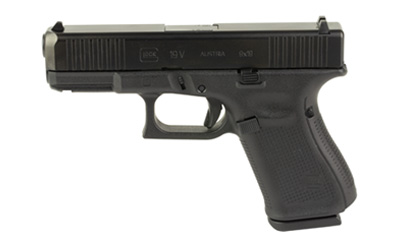
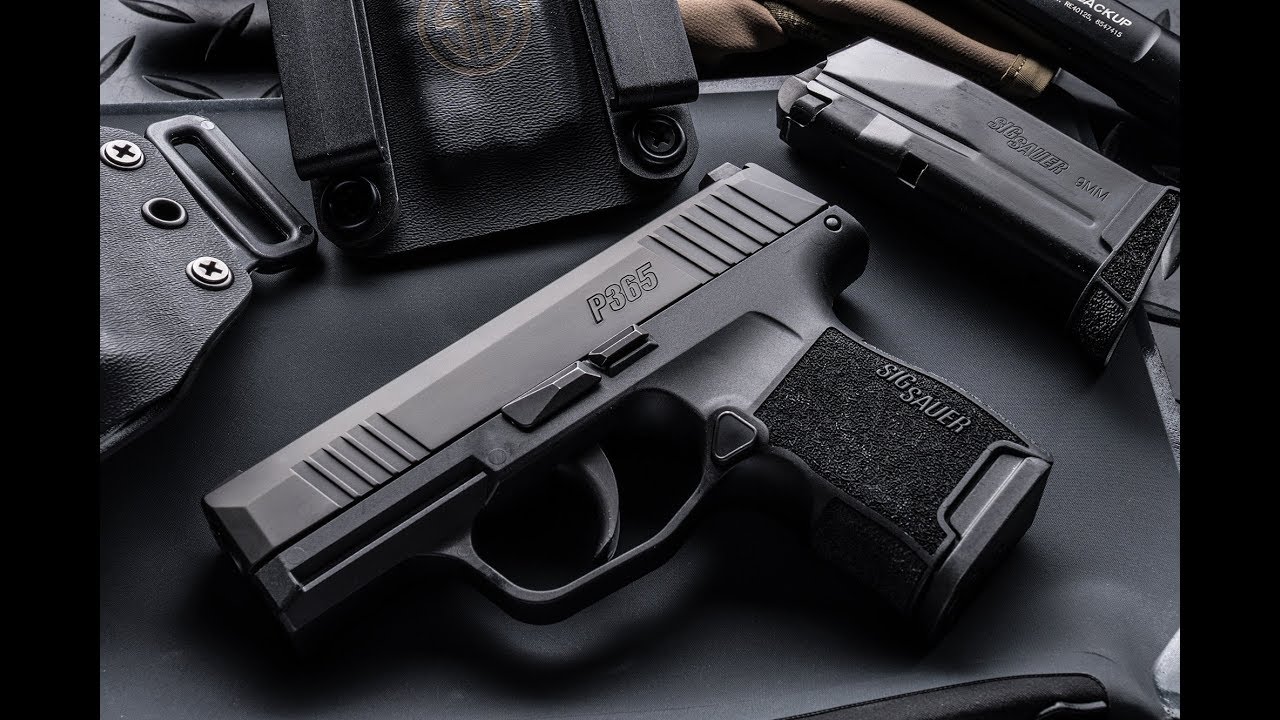
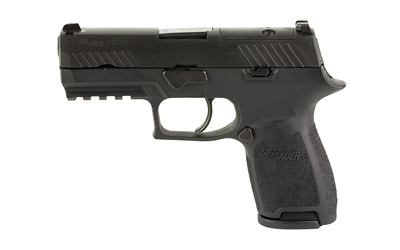
The glock 43x vs hellcat decision gets clearer when we compare the exact versions we might actually carry, rather than relying on a model name alone. We should check fit, included magazines, sight setup, and holster compatibility for the specific examples in front of us. Then the choice comes down to what feels right in our hand and works with our routine.
Compare the right versions first
Before comparing features, we should make sure we are discussing like-for-like models. A standard pistol and an optics-ready variant may differ in ways that matter to a buyer, while a longer model in the same family brings a different size and carry trade-off. The model name on the case is only the start; the exact configuration matters.
Standard Glock 43X versus standard Hellcat
The standard Glock 43X and standard Springfield Hellcat are the two specific models meant by this comparison. We should check the factory configuration and included items on the actual listing or box, rather than assume that every version shares the same sights, magazines, or other details. For background on the related compact model, our Glock 43 and 43X comparison looks at carry considerations across that family.
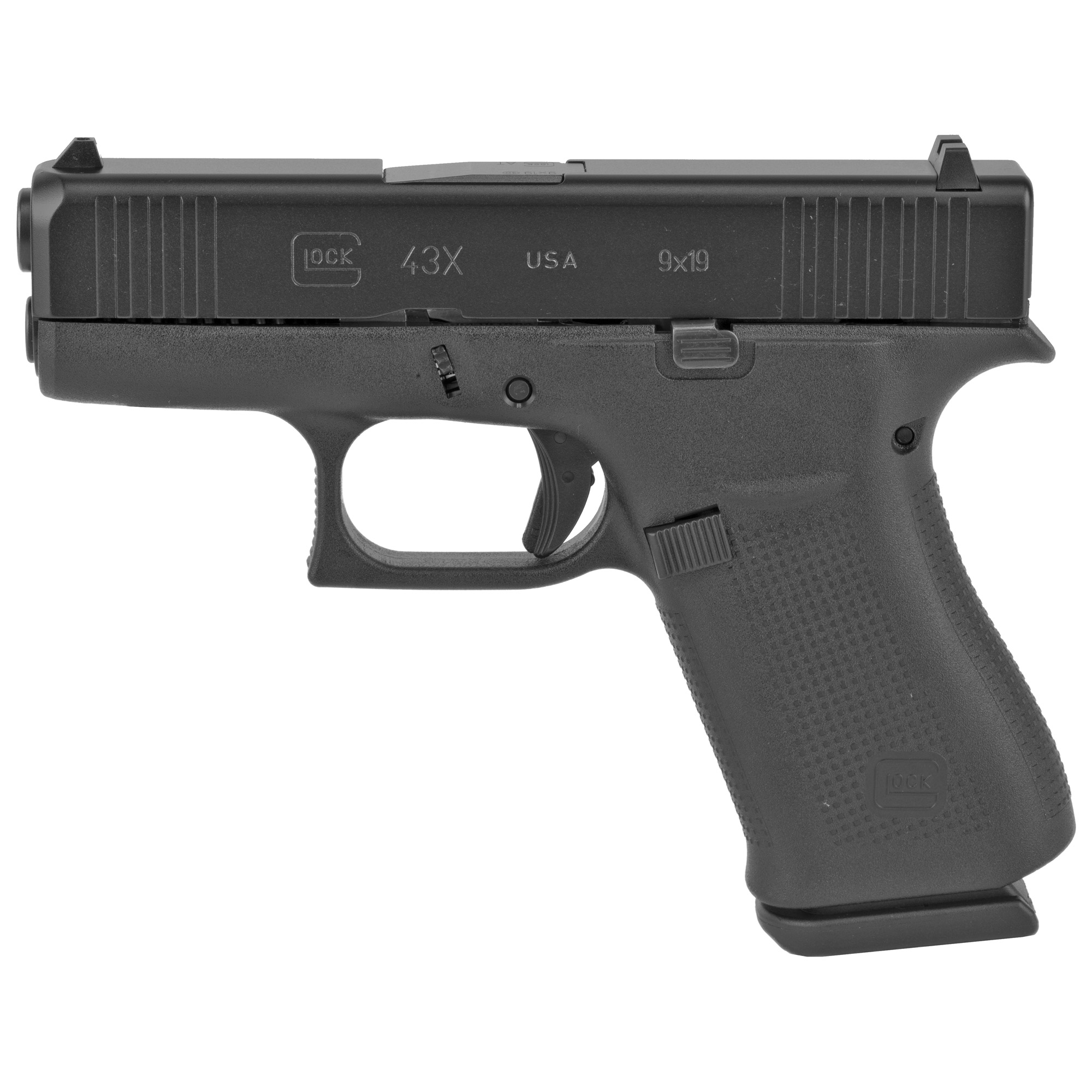
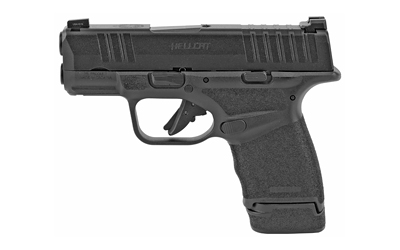
How the 43X MOS and Hellcat OSP differ
The 43X MOS and Hellcat OSP are distinct model variants, so we should not treat them as interchangeable with the standard versions. When comparing them, confirm the exact slide configuration and the optic-related details for the specific model. That prevents a common mix-up: comparing one optics-ready version against a standard pistol and attributing every difference to the model family.
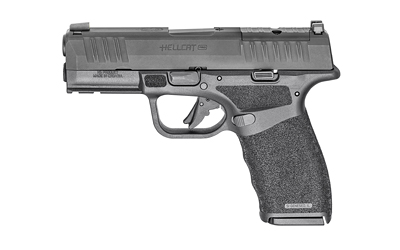
Where the Hellcat Pro fits, and why it is a separate comparison
The Hellcat Pro belongs in a separate comparison because its size and configuration are not the same as the standard Hellcat. If we bring it into the discussion, we should label it clearly and compare it against a model in a similar size class. Otherwise, a difference that comes from the larger format can be mistaken for a difference between the standard pistols.
Check model specs before comparing dimensions or features
Published specifications are useful only when they refer to the exact model and configuration we are considering. Before drawing a conclusion, we can compare the manufacturer’s current listing and the product details for the actual item. A quick reference table helps keep the version names straight without assuming that two similarly named pistols share every feature.
| Comparison point | What we should verify |
|---|---|
| Model name | Standard model or a named variant |
| Sights | Factory sight configuration on that exact model |
| Optic setup | Whether the specific slide is cut and what the maker specifies |
| Included magazines | Quantity, capacity, and any extensions listed |
Use the table as a prompt for checking the item, not as a substitute for its current specifications. That small step keeps our comparison grounded in the pistol we would actually buy.
Glock 43X vs Hellcat: size, capacity, and concealment
For concealed carry, the fit of the pistol against our body matters as much as its listed measurements. Grip length can affect printing, while slide dimensions influence comfort and holster fit. We should assess those factors with the intended belt, clothing, and carry position in mind, because small differences can feel quite personal.
Grip length and how it affects printing
The grip is often the part that prints most clearly through clothing, so we should pay close attention to how its length sits against our body. A grip that feels secure in the hand may still need a different holster position or garment choice to conceal comfortably. We can check this with an unloaded pistol and a safe, repeatable fitting routine.
Flush-fit magazine capacity and included extensions
Magazine capacity should be checked on the exact magazine included with the specific model. Extensions and alternate magazines can change both the overall grip length and the way the pistol sits in the hand. We should read the product listing carefully and confirm what is in the box instead of relying on a general family description.
Slide length, width, and holster fit
Slide dimensions affect how a pistol fits inside a holster and how it feels when seated or bending. A holster made for a similarly named variant may not fit the exact configuration we have, particularly if the slide or attached equipment differs. We should choose a holster listed for the precise model and verify the fit before carrying.
What changes when you add a magazine or optic
An alternate magazine can change the grip profile, and an optic can change the dimensions of the slide setup. We should consider the complete carry configuration, not just the pistol by itself. Western Sport’s GLOCK pistols selection is one place to check model availability, then we can confirm the details for the exact item under consideration.
Grip, controls, and fit in the hand
A pistol that fits our hand well is easier to handle consistently, but there is no universal answer based on hand size alone. Grip shape, texture, trigger reach, and control placement all contribute to the impression. We should handle each unloaded pistol safely and see whether we can reach the controls without shifting our grip unnecessarily.
Grip shape and texture differences
Grip shape is more than a question of whether the surface feels aggressive or smooth. The angle, contour, and texture all affect how the pistol settles in our palm and how securely we can hold it. We should compare both with a normal, relaxed grip rather than squeezing harder to make one feel more familiar.
Trigger reach and how each pistol points
Trigger reach is worth checking with the pistol unloaded and pointed in a safe direction. We want to place the finger on the trigger face without twisting the hand or disturbing the grip. The way a pistol points is personal, so a brief, careful handling comparison can tell us more than a feature list.
Slide stop, magazine release, and reload feel
Control placement matters when we manipulate a pistol with our usual grip. We can check whether the magazine release is easy to reach, whether the slide stop is accessible, and whether a magazine seats and releases as expected. These are handling observations, not a reason to rush a decision; we should follow safe handling practices throughout.
How hand size can change the comparison
Hand size can shift our priorities. A smaller hand may favor a grip that is easier to reach around, while a larger hand may value fuller contact with the grip. We can use a short checklist during a supervised handling session to keep the comparison practical:
- Can we reach the trigger comfortably without rotating the grip?
- Do our fingers sit naturally around the grip?
- Can we operate the controls without changing our hold?
- Does the pistol remain comfortable when held for more than a quick check?
Those answers help us describe what fits, rather than trying to declare one shape universally better. If either pistol feels awkward in a basic handling check, we should spend more time comparing before choosing.
Shooting feel and practical accuracy
A specification sheet cannot tell us which pistol we will control more comfortably. Recoil, sight picture, and trigger feel are best assessed at a range, using safe procedures and a consistent comparison. We should focus on whether we can maintain a steady grip and return to a usable sight picture, not on a single impressive group.
Recoil and muzzle movement with a short barrel
A compact pistol can feel lively in the hand, but the experience depends on the shooter, ammunition, grip, and the particular configuration. We should pay attention to how much muzzle movement we perceive and whether the grip remains comfortable over a practice session. A controlled range comparison is more useful than guessing from the pistol’s size alone.
Trigger feel during slow and rapid fire
Trigger feel is subjective, and our impression can change between slow, deliberate shots and a faster cadence. We should evaluate the press and reset only in a safe range setting, following the range’s rules and the manufacturer’s instructions. Consistent practice matters more than trying to infer performance from a brief dry-handling check.
Sight picture and follow-up shots
A clear sight picture is one part of practical accuracy; our ability to maintain it between shots is another. At the range, we can note whether the sights are easy for us to align and whether we can return to that alignment comfortably. A video can provide another general view of the comparison, but it cannot replace safe hands-on evaluation.
After watching, we should still confirm the exact models shown and treat our own range experience as the deciding factor. Different configurations or individual fit can change what we notice.
Why a range test matters more than specs alone
We can learn a lot from specifications, but they do not tell us whether a particular grip and trigger suit our hands. If you need a range, the NSSF Where to Shoot directory lists ranges by location. A range test gives us a chance to compare handling with consistent conditions and safe instruction. We should choose a facility that allows the comparison and follow its procedures rather than assume that a brief counter check answers every question.
Sights, optics, and accessories
Sights and accessories should be checked against the exact model, not inferred from a family name. Optic-ready designations, factory sights, and accessory attachment options can vary by version. Before buying equipment, we should confirm compatibility with the manufacturer’s current information and with the precise configuration we plan to use.
Factory sights on each model
The factory sight setup should be confirmed on the individual model listing or the pistol itself. We should look at the sight picture in ordinary lighting and consider whether it is easy for us to acquire. If we plan to change sights, compatibility and installation requirements are worth checking before purchase.
Optic-ready cuts and compatible footprints
An optics-ready label does not by itself identify which optic will fit. We should check the manufacturer’s specified interface, any required plate or mounting parts, and the optic’s compatibility with that setup. If the information is unclear, we should pause and verify rather than assume that a familiar footprint applies.
Accessory rail options and fit
Accessory fit depends on the exact frame and the dimensions of the item being attached. We should confirm that an accessory is intended for the particular model and does not interfere with the holster or our grip. There is no need to add equipment simply because it is available; a simpler configuration may better suit our carry plan.
Holster availability for specific variants
We stock carry holsters cut for both pistols, but holsters are made for particular shapes and configurations, so the exact model suffix and any installed accessories matter. We should check the maker’s fit list and test retention and access safely before carrying. A close-looking holster is not a verified fit, especially when the pistol has a different sight or accessory setup.
Reliability, upkeep, and everyday ownership
Ownership includes more than the initial purchase. We should understand the manual, practice safe handling, keep the pistol maintained as directed, and budget for training and compatible equipment. The details vary by exact model and use, so we should rely on the manufacturer’s instructions rather than a generic schedule.
Break-in and function-check considerations
We should read the owner’s manual for any model-specific instructions before firing or handling the pistol. A function check should follow the manufacturer’s guidance and take place in a safe setting. If anything seems out of order, we should stop and seek qualified help rather than trying to diagnose it through guesswork.
Cleaning and routine maintenance
Routine cleaning should follow the manual’s instructions for the exact pistol. We can keep the process simple by using the specified procedure and suitable tools, then checking that the pistol is assembled correctly before use. If we are uncertain about a step, a qualified gunsmith or the manufacturer’s support channel is a better resource than improvisation.
Magazine availability and replacement cost
Magazine availability and price can change, so we should check current options for the precise model before making them part of our decision. We should also confirm that any replacement magazine is intended for that pistol and understand how its dimensions may affect concealment. Western Sport can help buyers review available firearms and related options; we should verify current listings rather than assume stock or pricing.
Choosing based on your carry setup and training routine
Our choice should fit the way we plan to carry and train. We can compare the pistol with the belt, holster, clothing, and practice routine we expect to use, then consider what feels sustainable over time. For more general selection context, our pistol fit and handling guide covers factors such as intended use, controls, safe storage, and supervised testing.
Conclusion
The Glock 43X versus Hellcat comparison is most useful when we keep the model versions straight and judge each pistol in the setup we will actually carry. We should verify the current specifications, check fit and holster compatibility, and use a safe range comparison to decide which one works better for our hands and routine.
Frequently Asked Questions
What should we compare first when choosing between compact carry pistols?
We should start with the exact model versions, then compare grip fit, included magazines, sights, and compatibility with the holster and equipment we intend to use.
Does a longer grip affect concealment?
It can. The grip is often the part most likely to print through clothing, though body shape, carry position, clothing, and holster all affect the result.
Should we compare standard models with optics-ready versions?
We can, but we should identify the configurations clearly. An optics-ready version may differ from a standard model, so we should verify the exact features rather than treating them as identical.
How can we tell whether a pistol fits our hand?
With the pistol unloaded and handled safely, we can check whether our fingers sit naturally, whether the trigger is reachable without twisting our grip, and whether the controls are accessible.
Is a range test useful before choosing a carry pistol?
Yes. A safe, consistent range comparison can help us assess sight picture, trigger feel, and how comfortably we manage the pistol during practice.
How do we check whether a holster fits a specific model?
We should use the holster maker’s fit information for the precise model and configuration, then check retention and access safely before carrying.
What should we check before adding an optic or accessory?
We should confirm compatibility with the exact model, including any specified mounting parts, and make sure the addition works with the holster and our intended setup.
Visit Western Sport
To see the handguns we have in stock, or for help picking between these two, contact Western Sport at (817) 393-4000 or visit the store in Roanoke, Texas. We can ask about the exact model and configuration we are considering before making a decision.

Lance Rankin is the owner and Chief Gunsmith of Western Sport, a family-run Type 07 FFL and Class 3/SOT dealer in Roanoke, Texas, serving shooters since 2007. Born and raised in Texas with over 50 years of experience handling firearms, Lance purchased Western Sport in 2017 and turned his lifelong passion into his profession. He specializes in AR-15 and AR-10 platform rifles, manufactures Western Sport’s own AR-15 line under the Rankin Industries brand, and runs the shop’s in-house Cerakote coating operation. When he’s not behind the counter or the workbench, you’ll find him on his ranch deep into the night, hunting coyotes with an AR-15 and thermal optics. Lance holds an MBA and personally shoots and tests the products Western Sport sells.