



The best deer hunting caliber for Texas is the one that matches the country you hunt, the rifle you can shoot well, and the distances you actually get shots at. I’m Lance Rankin, owner and gunsmith at Western Sport in Roanoke, Texas, and every fall the same question comes across the counter: what should I put in the deer rifle? Texas whitetail are not big-bodied animals compared to northern deer, so you do not need a magnum. You need a cartridge you can practice with, paired with a good bullet. Here are ten that work, from light-recoiling to heavy-hitting.
Shop the gear in this guide
-
Add to cart

Federal Barnes TSX 6.5 Creedmoor 130 gr Ammo, 20 Rounds
$68.99 -
Add to cart

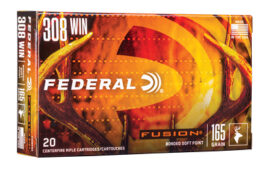
Federal Fusion, 308 WIN, 165 Grain, 20 Round Box
$54.99 -
Add to cart
Hornady American Whitetail, 30-06, 150 Grain, Interlock Soft Point, 20 Round Box
$42.95 -
Add to cart

Winchester Repeating Arms Deer Season XP 7mm Rem Mag Ammo, 20 Rounds
$59.99



1. .243 Winchester
The .243 Winchester is a mild-recoiling choice for deer hunters who value a rifle they can handle comfortably. That can matter for newer hunters and anyone who shoots better when recoil stays manageable. In Texas, where hunting conditions range from wooded cover to open ground, our expected distances still matter.
A cartridge alone does not make a responsible shot. We need to use a suitable deer bullet, confirm where the rifle prints with that load, and keep our shots within a distance where we can place them reliably. The .243 can be a useful option when those basics line up.
We should also consider who will carry and shoot the rifle. A lighter-recoiling setup may make practice more comfortable, but the best fit is still the one we can shoulder consistently and operate safely. Our broader Texas deer rifle guide can help us weigh caliber alongside rifle style, terrain, and shot placement.
2. .25-06 Remington
The .25-06 Remington suits hunters who want a flatter-shooting style of cartridge for deer country with longer sightlines. That does not make every shot across an open field a good one. We still have to judge distance, wind, and the animal’s position before deciding whether to shoot.
Its appeal is partly the balance between a relatively small-diameter bullet and the speed associated with this cartridge. Load choices vary, so we should check the ammunition maker’s intended use and follow the rifle maker’s specifications rather than assume all .25-06 loads behave the same way.
For Texas hunting, the decision often comes down to the land we hunt and our ability to practice at realistic distances. If most opportunities are close and quick, a different rifle setup may feel easier to manage. If our hunting includes open fields, we should still let demonstrated accuracy, not a paper trajectory chart alone, guide the choice.
3. 6.5 Creedmoor
The 6.5 Creedmoor is a versatile choice for deer hunters who want a cartridge with broad rifle and ammunition availability. It can suit a range of Texas settings, though no cartridge can replace careful distance judgment and dependable bullet placement. We should choose a hunting load intended for deer rather than select by caliber name alone.
A rifle’s dimensions can be as important as its chambering, especially when you move through brush or hunt from a confined blind. On the ammunition side, Federal Barnes TSX 6.5 Creedmoor 130 grain is one hunting load in this chambering. Sight in with the exact box you plan to hunt with, using the steps in our guide on how to sight in a rifle scope. If you are weighing the Creedmoor against its faster cousin, see 6.5 PRC vs 6.5 Creedmoor.
We can compare the Creedmoor with another familiar option by looking at the details that affect our own use. Western Sport’s 6.5 Creedmoor and .308 comparison addresses recoil, trajectory, ammunition options, rifle setup, and hunting or range practice. The table below gives us a simple way to keep the decision grounded in use rather than popularity.
| What we compare | Why it matters | What to check |
|---|---|---|
| Rifle fit | Comfort supports consistent handling | Shoulder fit and balance |
| Ammunition | Loads differ in intended use | The load’s stated purpose |
| Practice | Familiarity builds confidence | Accuracy with the chosen load |
| Hunting conditions | Terrain shapes likely opportunities | Typical distance and cover |
The table is a starting point, not a promise that one chambering will outperform another in every rifle. We should verify the specific rifle and load combination at the range, then hunt within the limits we have practiced.
4. 7mm-08 Remington
The 7mm-08 Remington is a practical deer cartridge for hunters looking for a middle ground between lighter rounds and larger .30-caliber options. Its appeal is straightforward: a useful deer-sized option that can be found in hunting rifles without stepping immediately to a magnum. Rifle fit and load selection still deserve equal attention.
In Texas, it can make sense for hunters who want a general-purpose deer rifle for mixed terrain. We should not assume its performance from a cartridge label, though. Bullet construction, shot angle, distance, and the individual rifle all affect the result.
As we compare rifles, we can focus on the things we notice in the field: how easily the rifle comes to the shoulder, whether we can hold it steadily, and whether we can practice without developing poor habits. The 7mm-08 is worth a look when that combination suits us better than a heavier-recoiling setup. Buying for a smaller shooter? Our best youth deer rifle picks include two compact Savage rifles in 7mm-08.
5. .270 Winchester
The .270 Winchester has long been a familiar choice for deer hunters, including those who hunt open country. Its strengths are most useful when the rifle and ammunition suit the distances we actually face. A cartridge’s reputation should not push us beyond the range at which we can make a careful shot.
Before settling on a load, we can compare the manufacturer’s intended use, bullet design, and published information. Then we need to confirm point of impact with our own rifle. A change in ammunition can change where the rifle groups, so the practice session is part of the decision, not an optional afterthought.
A short pre-season routine helps us find out whether our setup is ready. We can use a few deliberate checks rather than chasing a theoretical perfect cartridge:
- Confirm the rifle fits and the sights or optic are secure.
- Practice from positions we can use while hunting.
- Check the point of impact with the exact hunting load.
- Set a personal distance limit based on repeatable accuracy.
These steps are useful with any caliber, but they matter especially when we expect longer shots. If we cannot make a steady, ethical shot under the conditions in front of us, we wait for a better opportunity.
6. .308 Winchester
The .308 Winchester is a widely used deer cartridge that suits hunters who want a familiar option with broad ammunition availability. Its sensible place in a Texas rifle rack depends on the rifle, load, and hunting conditions, not on a universal ranking. We should compare it with the .30-06 based on the way we plan to use the rifle.
A practical comparison looks beyond the cartridge names. The Texas .308 and .30-06 comparison covers action length, bullet options, rifle fit, ammunition, and practice. Western Sport also lists centerfire rifle ammunition, including .308 and 6.5 Creedmoor loads, so we can review the available categories while checking that any chosen load matches our rifle and intended use.
The main point is to keep the ammunition decision specific. Federal Fusion .308 Winchester 165 grain is one 20-round hunting load for this cartridge. Check that the box matches the chambering stamped on your barrel before you buy or load it.
7. .30-30 Winchester
The .30-30 Winchester is closely associated with handy lever-action rifles and hunting in thick cover. That can be a useful match for some Texas properties, where quick handling at shorter distances may matter more than a setup built around long-range shooting. We should still think carefully about the rifle’s sights, ammunition, and our own practice.
This cartridge is not a shortcut around shot placement. We need to understand the effective limits of the particular rifle and load we use, then keep our shots inside those limits. A familiar, easy-to-carry rifle can be a good fit when it encourages steady practice and fits the terrain.
Hunters who spend more time in open country may prefer a different rifle and cartridge combination. That is not a knock on the .30-30; it is simply a matter of matching equipment to the likely shot. We can make the choice by considering our property’s typical cover and the distances at which deer are actually encountered.
8. .30-06 Springfield
The .30-06 Springfield offers hunters a broad range of ammunition choices and a long record as a general-purpose hunting cartridge. Its flexibility can be useful, but it comes with recoil that some shooters may find less comfortable than lighter options. We should choose a rifle we can shoot well, not just one with a familiar name.
When considering a .30-06, we can start with the ammunition intended for our game and verify the rifle’s compatibility. Hornady American Whitetail .30-06 150 grain uses an InterLock soft point. That is one specific load, not a claim that the same load is right for every rifle or every hunter.
The .30-06 and .308 comparison is useful when we’re choosing between two common .30-caliber options. We can take that comparison to the counter or range and consider rifle fit, practice, and the conditions where we hunt. A cartridge’s versatility only helps if we can handle the rifle comfortably and place a shot accurately.
9. 7mm Remington Magnum
The 7mm Remington Magnum is a magnum option for hunters who prioritize reach and a wider range of hunting applications. For Texas deer, that capability may be more than some hunters need, especially where most shots are at modest distances. Recoil, rifle weight, and practice should be part of the decision from the start.
A magnum cartridge does not remove the need to estimate distance or account for field conditions. It also does not make a marginal shot acceptable. We should be confident with the rifle from realistic positions and choose a load designed for the game we hunt, such as Winchester Deer Season XP 7mm Rem Mag.
If we are weighing the 7mm Remington Magnum against a milder cartridge, the honest question is whether its advantages match our specific use. For hunters who travel across varied terrain or expect longer sightlines, it may be a sensible candidate. For other setups, a less demanding cartridge can be easier to practice with and carry through a full day.
10. .300 Winchester Magnum
The .300 Winchester Magnum is a powerful option, but it is not automatically the best deer cartridge for Texas. Some hunters value its reach and versatility; others may find that recoil and rifle weight are more than their typical deer hunts call for. We should buy for our actual conditions, not an imagined worst-case shot.
For deer, choosing a suitable hunting bullet and confirming it in our rifle are essential parts of the setup. The rifle must fit, and we need enough range practice to know where it prints. A magnum that we avoid practicing with is a poor fit, regardless of its performance on paper.
If we hunt both deer and larger game, one rifle may serve more than one role, but we should still match ammunition to the animal and follow the rifle maker’s instructions. For a deer-focused Texas rifle, compare the .300 Winchester Magnum with the lighter options here and make recoil tolerance, likely distance, and practice availability part of the final call.
Buying a rifle in the best deer hunting caliber for you
Once you have picked a cartridge, you can shop rifles online with us and have it shipped to your local FFL, or pick it up in Roanoke by appointment. Grab a few boxes from our ammunition section so you can sight in with the exact load you will hunt with. Before the season, check bag limits and county rules on the Texas Parks and Wildlife deer management page.
Conclusion
The best deer hunting caliber is the one that fits our Texas terrain, our rifle, and our ability to practice and place a careful shot. We can narrow the field by considering typical distance, recoil, and suitable ammunition, then confirm the choice with the rifle we will actually carry.
Frequently Asked Questions
What is the best deer hunting caliber for Texas?
There is no single best choice for every Texas hunt. We should match the cartridge to likely distances, terrain, rifle fit, ammunition, and the shooter’s ability to practice accurately.
Is the .243 Winchester suitable for deer?
The .243 Winchester is a deer-hunting option when paired with suitable ammunition and used within the hunter’s practiced limits. Confirm the load’s intended use and the rifle’s point of impact before hunting.
Is the 6.5 Creedmoor a good choice for Texas deer?
It can suit Texas deer hunting across varied settings, provided the hunter selects suitable ammunition and practices with the rifle. The right rifle dimensions and realistic distance limits matter as much as the cartridge.
Should we choose .308 Winchester or .30-06 Springfield?
Compare the rifles and loads available to you, along with fit, recoil, ammunition, and how you plan to practice. Either cartridge can be considered for deer when used with suitable ammunition and sound shot placement.
Is a magnum cartridge necessary for Texas deer?
Many deer hunts do not require a magnum cartridge. A magnum may fit a hunter’s broader needs, but recoil and practice should be weighed against the distances and game expected.
Does a flatter-shooting cartridge make long shots ethical?
No. A flatter trajectory does not replace accurate distance estimation, field judgment, or dependable shot placement. We should limit shots to distances where we can consistently make a careful hit.
How should we choose ammunition for deer season?
Choose ammunition designed for the game and compatible with the rifle, then verify the rifle’s point of impact with that exact load. Follow the rifle maker’s specifications and the ammunition maker’s guidance.

Lance Rankin is the owner and Chief Gunsmith of Western Sport, a family-run Type 07 FFL and Class 3/SOT dealer in Roanoke, Texas, serving shooters since 2007. Born and raised in Texas with over 50 years of experience handling firearms, Lance purchased Western Sport in 2017 and turned his lifelong passion into his profession. He specializes in AR-15 and AR-10 platform rifles, manufactures Western Sport’s own Rankin Industries parts and rifles, and runs the shop’s in-house Cerakote coating operation. When he’s not behind the counter or the workbench, you’ll find him on his ranch deep into the night, hunting coyotes with an AR-15 and thermal optics. Lance holds an MBA and personally shoots and tests the products Western Sport sells.


