
Gas Blocks



Gas Blocks
Showing all 17 results
-
Add to cart
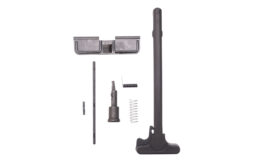
Anderson Arms Charging handle and Upper parts kit
$21.00 -
Add to cart
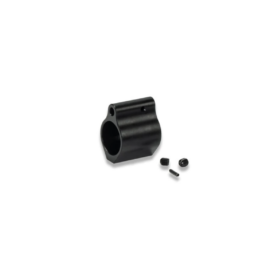
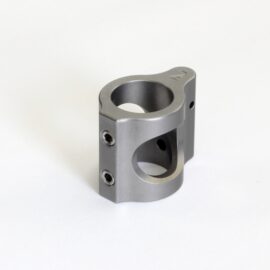
Rankin Industries .750 Low Profile Gas Block
$23.99 -
Add to cart
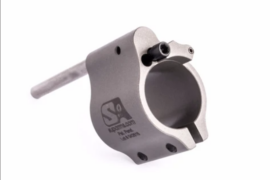
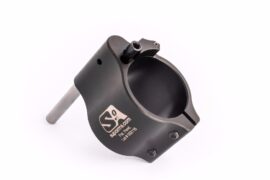
Superlative Arms .750″ Adjustable Gas Block Bleed Off – Clamp On – Stainless Steel Matte Finish
$99.99 -
Add to cart
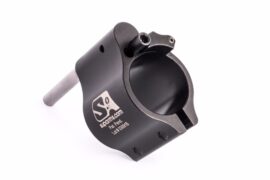
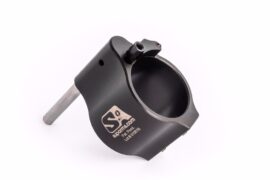
Superlative Arms .750″ Adjustable Gas Block Bleed Off – Clamp On Melonite Finish
$99.99 -
Add to cart

Superlative Arms .750″ Adjustable Gas Block Bleed Off – Solid Melonited
$99.99 -
Add to cart
Superlative Arms .750″ Adjustable Gas Block Bleed Off – Solid Stainless Steel Matte Finish
$99.99 -
Add to cart
Superlative Arms .875″ Adjustable Gas Block Bleed Off – Clamp On Melonited
$99.99 -
Add to cart
Superlative Arms .875″ Adjustable Gas Block Bleed Off – Solid Melonited
$99.99 -
Add to cart
Superlative Arms .875″ Adjustable Gas Block Bleed Off – Solid Stainless Steel Matte Finish, SA-97177541
$99.99 -
Add to cart

Superlative Arms .936″ Adjustable Gas Block Bleed Off – Clamp On – Stainless Steel Matte Finish
$99.99 -
Add to cart
Superlative Arms .936″ Adjustable Gas Block Bleed Off – Clamp On Melonite Finish
$99.99 -
Add to cart
Superlative Arms .936″ Adjustable Gas Block Bleed Off – Solid Melonited
$99.99 -
Sale!Read more


2A Armament 2A-TI GAS BLOCK
Original price was: $75.00.$49.95Current price is: $49.95. -
Read more
Anderson Arms Gas Block AR-15
$25.00 -
Sale!Read more
Odin Works Adjustable Low Profile Gas Block
Original price was: $89.00.$84.55Current price is: $84.55. -
Read more
Superlative Arms .875″ Adjustable Gas Block Bleed Off – Solid Stainless Steel Matte Finish, SA-97236613
$99.99 -
Read more

UTG Micro Gas Block
$19.97






Choosing the right gas blocks
At Western Sport, we carry gas blocks options that cover the range of applications our customers actually use — range training, home defense, duty use, and competition. Our staff can help you narrow down the options based on what you are actually trying to accomplish.
We do not carry everything — we carry what works. If you ask us why we stock one product over another, we can give you a real answer. If something we carry has a known issue or a better alternative, we will tell you.
Order gas blocks online at Western Sport and they ship straight to your door, no FFL needed. We have been a licensed FFL/SOT dealer since 2007, and everything we sell carries the full manufacturer warranty. Not sure what fits your build? Send us a message before you order.
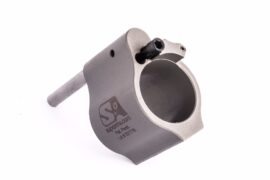
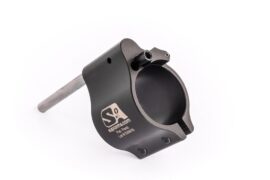
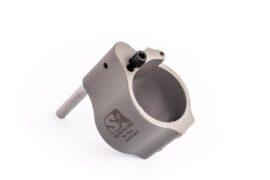
A gas block meters how much propellant gas leaves the barrel and drives the bolt carrier. Get it wrong and the rifle either short-strokes or beats itself up; get it right, especially with an adjustable block, and the same rifle runs softer, cleaner and more reliably with or without a suppressor. Western Sport carries fixed low-profile blocks and adjustable blocks across the common journal sizes. They are parts, not firearms, so you order online and they ship to your door.
- Journal size is the first measurement: .625″ suits pencil profiles, .750″ fits most standard AR-15 barrels, and .875″ and .936″ cover heavy profiles and many AR-10 / LR-308 barrels. Measure at the gas port shoulder.
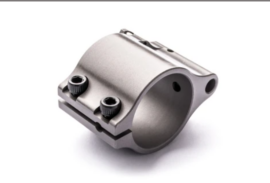
- Clamp-on vs set screw: a clamp-on block grips the barrel all the way around and needs no dimple; a set-screw block sits lower under a slim handguard and usually wants a dimpled barrel.
- Fixed vs adjustable: a fixed low-profile block is simplest and lightest. An adjustable block lets you tune gas for a suppressor, a short barrel or a specific load.
- Bleed-off vs restrictor: restrictor-style adjustables choke flow inside the block. Superlative Arms blocks instead vent the surplus forward out of the block, which keeps fouling out of the adjustment passage.
- Suppressed shooters: a can raises back pressure, so an adjustable block is the usual fix for over-gassing. Tune until brass lands around 3 to 4 o’clock with the suppressor on.
- Ordering: gas blocks ship to your door, no FFL transfer needed.
How to tune an adjustable gas block
Close the adjustment screw until the rifle will not cycle, then open it in small increments, firing a round or two at each step, until the bolt locks back reliably on an empty magazine and brass ejects consistently. Tune with the configuration you actually shoot. If the rifle lives with a suppressor on it, tune it suppressed and accept slightly livelier ejection when the can comes off. Write the setting down; it is easy to lose after a cleaning.
Brands we stock
Superlative Arms bleed-off adjustable blocks in .750, .875 and .936, solid or clamp-on, plus fixed low-profile blocks such as the Rankin Industries .750 low profile gas block and the Daniel Defense clamp-on low profile gas block, along with blocks from Odin Works, 2A Armament, Anderson Arms and UTG. A heavier buffer is the other half of taming an over-gassed rifle. If you are also shopping a can, our suppressors are NFA items we sell as an SOT dealer, and since October 9, 2026 they transfer on a standard Form 4473 with no Form 4 or tax stamp.
How ordering works
Add the block to your cart and check out; it ships to your address. Credova financing is available at checkout, and we price match authorized dealers on identical items that are in stock and ready to ship. Not sure which journal size your barrel takes? Send us a message with the barrel maker and profile and we will tell you.
What size gas block do I need?
Match the journal diameter of your barrel at the gas port: .750 fits most standard AR-15 barrels, .625 fits pencil profiles, and .875 or .936 fit heavy profiles and many AR-10 barrels. Measure with calipers or check the barrel maker’s spec.
Does a suppressed AR-15 need an adjustable gas block?
Not always, but it is the most direct fix when a suppressor makes the rifle over-gassed. A heavier buffer helps too, and the two are often used together.
Do gas blocks need an FFL transfer?
No. Gas blocks are parts, not firearms, so they ship straight to your door.