When we compare the daniel defense mk18 vs ddm4 v7 at the counter, the first question is usually how compact a rifle needs to be. The MK18’s 10.3-inch barrel puts it in a different configuration class from the DDM4 V7’s 16-inch barrel. That difference shapes handling, legal considerations, and the kind of setup each buyer is planning.
The main differences at a glance
Both rifles are AR-pattern options, but their barrel lengths point toward different priorities. The MK18 is the shorter configuration, while the DDM4 V7 is a 16-inch rifle that gives buyers a more conventional full-length setup. We should compare the exact model and configuration on the listing, since names can cover more than one variant.
How the MK18 and DDM4 V7 differ in role
The MK18 is the compact choice in this comparison; the DDM4 V7 is the longer general-purpose configuration. That does not make one the automatic pick for every buyer. We would start with where you plan to use the rifle, how you want it to handle, and whether you are prepared to check the rules that apply to a short-barreled configuration.
Barrel length and standard configuration
The MK18 is associated with a 10.3-inch barrel, while the DDM4 V7 is commonly listed with a 16-inch barrel. Those figures give us a useful starting point, not a substitute for checking the product’s exact model, SKU, and included parts. Our DDM4 rifle listings cover multiple configurations, so verify the details of the individual listing before comparing prices or features.
Weight, overall length, and price
A shorter barrel generally makes for a shorter overall package, but complete-rifle weight and price depend on the exact variant and included components. We would not assume a fixed weight or price from the model name alone. Compare the listed specifications, then add the cost of any optic, sling, or other equipment you actually plan to use.
Why model variants can change the comparison
Handguards, sights, furniture, and the distinction between pistol and rifle configurations can all affect what arrives in the box. For the MK18, available configurations include RIS II and RIS III options, and civilian listings may be for a pistol or an SBR. Our MK18 configuration guide explains why those details matter; use the precise listing rather than a model nickname as your reference.
Barrel length and handling
The most obvious difference is also the one you will feel while moving the rifle around: the barrel length. A shorter front end can be easier to manage in tight spaces, while a 16-inch barrel gives the V7 a longer overall configuration. Neither length tells us by itself how a particular rifle will fit your stance, storage plan, or shooting position.
What the MK18’s shorter barrel means in practice
A 10.3-inch barrel keeps the MK18 compact compared with a 16-inch rifle, which can matter when space is limited or a shorter setup is the priority. The trade-off is that a short barrel is not simply a 16-inch rifle made handier; it calls for a deliberate choice of ammunition, muzzle setup, and intended use. We should assess the whole configuration rather than judge it on length alone.

How the DDM4 V7 handles with its 16-inch barrel
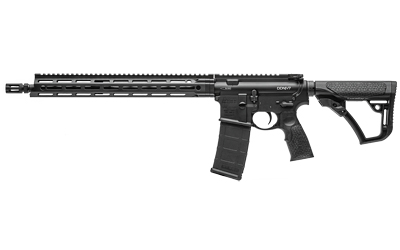
With a 16-inch barrel, the DDM4 V7 is the longer option and may suit a buyer who wants one rifle for a broad range of ordinary range and field use. Its size is a consideration for transport and storage, but it also avoids starting with the MK18’s short-barrel configuration questions. Our Daniel Defense rifle selection includes different models, so use the listing details to confirm which barrel and features you are comparing. For an outside opinion, James Reeves ran a DDM4 V7 through a mini torture test for The Firearm Blog, and it is worth a watch before you decide.
Recoil, muzzle blast, and shooting comfort
Shooters may experience a short-barreled rifle differently from a 16-inch rifle, but comfort depends on the complete setup, ammunition, and the person behind it. We should avoid treating barrel length as a precise predictor of recoil or sound. If possible, handle the configurations before buying, and use appropriate hearing protection whenever you shoot.
When compact size matters more than reach
Compact dimensions can be the deciding factor for a buyer who has a clear need for a shorter rifle. If that is not your priority, the V7’s longer barrel may be a more straightforward fit. For another compact configuration in the lineup, our DDM4 PDW review covers a different model and its .300 Blackout context; it is a separate comparison, not a substitute for checking either rifle’s exact specs.
Accuracy and practical range
Neither barrel length alone tells us how accurately a rifle will shoot or what distance is appropriate for a particular setup. Results depend on ammunition, the rifle, the sighting system, and the shooter’s consistency. We can make a fair comparison by keeping those variables as similar as possible and judging each rifle against the job we have in mind.
What to expect from each rifle at common distances
At typical practice distances, either rifle can be evaluated through careful groups and repeatable shooting, but we should not promise a particular group size without test data. At greater distances, ammunition and a suitable optic become more consequential, and the shorter configuration’s role should be considered honestly. The useful question is not which model has a magic range, but what distance you can shoot responsibly and consistently with your setup.
How ammunition affects results
Ammunition can change point of impact and group size, so compare like with like when testing. We would record the load, conditions, and sight settings rather than assume one result represents every cartridge. Start with ammunition appropriate to the rifle and follow the manufacturer’s instructions for your exact model.
Optics, sights, and sight radius
An optic can help with aiming, while iron sights rely on alignment across the sight radius. Either way, a consistent cheek weld and a stable position matter. Before adding accessories, decide whether the rifle will be used mainly for close-range practice, general range work, or a field role, then choose sights that serve that purpose.
Setting a useful zero for the rifle’s role
A zero should match the distances and use you expect, not a number copied from another shooter’s setup. We can confirm the point of impact at the range with the ammunition we intend to use and make adjustments in a controlled way. Keep a note of the load and settings so a later change in optic or ammunition does not leave us guessing.
MK18 vs DDM4 V7: choosing by intended use
The right pick depends on the job and on what you are willing to manage after the purchase. We should consider handling, lawful use, training, and storage together rather than treating barrel length as the entire decision. A good fit is the configuration we can use safely and consistently.
Range practice and recreational shooting
For general range practice, the 16-inch V7 may be the simpler choice for buyers who want a full-length rifle configuration. The MK18 can make sense for someone specifically seeking a compact setup and prepared to understand its configuration requirements. Either way, budget for practice ammunition and time behind the sights, not only the initial purchase.
Hunting or other field use where lawful
For field use, first check whether the rifle and caliber suit the intended game and comply with the relevant rules where you hunt. Then consider carry comfort, optics, and how the rifle will be secured during transport. We should not infer suitability from a model name alone; the applicable hunting regulations and exact configuration matter.
Compact setup versus general-purpose configuration
A compact setup and a general-purpose rifle ask different things of the owner. This short checklist helps keep the decision tied to actual use:
- Choose the shorter configuration only when compact dimensions are a real priority.
- Consider the 16-inch option if you want a more conventional rifle length.
- Include optics, storage, and training needs in the comparison.
- Confirm the model’s legal status before ordering or changing its configuration.
After that, the choice usually becomes clearer. We can compare the precise listings against these priorities instead of paying for features that do not solve a problem we have.
Fit, training, and storage considerations
The rifle should fit the shooter and the space available for secure storage. Handle the controls, check that the stock position feels workable, and think through how you will transport the firearm lawfully. A compact rifle still deserves the same careful training and storage planning as a longer one.
Ownership and setup costs
The sticker price is only one part of the ownership budget. We should compare what is included, what needs to be added, and whether the configuration brings additional compliance steps. Because variants and availability change, current listings are a better guide than a price remembered from an older comparison.
Purchase price and included features
Compare the actual item pages for barrel length, sights, furniture, and other included components before treating two prices as directly comparable. A rifle with the accessories you already want may be a better fit than one that needs immediate changes. For a specific 16-inch example, the V7 LW Gen II listing identifies its barrel and other included features; confirm the current product page before purchase.
Optics, sling, and other setup expenses
An optic, sling, case, and basic maintenance supplies can add meaningfully to the initial outlay. We would make a short list of what is necessary for the planned use and price those items separately. If you are comparing complete rifles and parts, you can check current MK18 availability while keeping the setup budget in view.
Suppressor considerations and configuration limits
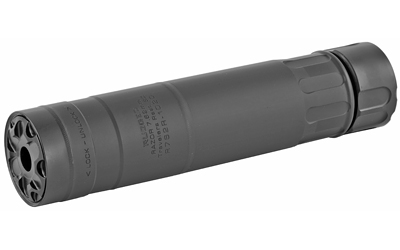
A suppressor changes the overall setup and has its own compatibility and state-law considerations. Do not assume a suppressor will fit a particular rifle without checking the mount, muzzle device, and manufacturer guidance. Since October 9, 2026, ATF no longer requires a tax stamp, Form 4, Form 1, fingerprints, or registration for suppressors or SBRs. They transfer on a standard Form 4473 with a background check, and state law still applies, so check the rules where you live before you buy.
Maintenance, parts, and support
Routine maintenance and replacement parts belong in the ownership plan, but we should follow the instructions for the exact rifle rather than assume every AR-pattern part is interchangeable. The M4 URG V11 upper is one specific upper listing with its own stated components and compatibility; it is not a stand-in for the two complete rifles in this comparison. Keep the model information handy when asking a gunsmith or the manufacturer about support.
Legal and configuration considerations
The MK18’s short barrel makes configuration and local law part of the buying decision, not an afterthought. Rules can depend on the firearm’s exact classification and where it will be possessed or used. We can explain the practical questions to check, but this is not legal advice; verify current requirements with the relevant authorities and qualified counsel.
Short-barreled rifle rules for the MK18 configuration
An MK18-style configuration with a 10.3-inch barrel may be sold as a pistol or as a short-barreled rifle, and those are not interchangeable labels. Since October 9, 2026, ATF no longer requires a Form 1, Form 4, tax stamp, fingerprints, or registration for an SBR, so a 10.3-inch MK18 rifle transfers on a standard 4473 like any other rifle. Two things have not changed: state law still applies, and an SBR still needs an approved ATF Form 5320.20 before it crosses state lines. Check the rules in your state before travel or purchase.
State and local restrictions to check
State and local requirements can differ, including restrictions on specific configurations or places of use. Check the laws where you live, where you plan to shoot, and anywhere you intend to travel with the firearm. If an answer is unclear, get advice from qualified counsel rather than relying on a product listing or informal summary.
How pistol and rifle variants affect the comparison
A pistol listing and an SBR listing can look similar at a glance but have different classifications and ownership considerations. Verify the exact configuration and included parts, especially if the listing uses a model family name that covers multiple versions. We should make the comparison between two actual listings, not between assumptions about a product line.
Confirming the exact model before buying
Before ordering, check the SKU, barrel length, included components, and classification on the product page. Our MK18 listings identify available configurations, but the specific item details remain the final reference. If you are buying online, also confirm the transfer process with your receiving FFL before placing the order.
Explore Your Options
Browse our current rifle listings, compare the exact configurations, and contact us if you want help confirming the details before arranging shipment to your local FFL.
Conclusion
The choice comes down to whether compact size or a conventional 16-inch rifle configuration better suits your use. We should compare the exact listing, account for accessories and training, and verify the applicable laws before buying. That keeps the decision practical and grounded in the rifle we will actually own.
Frequently Asked Questions
What is the main difference between the two configurations?
The main difference is barrel length: the MK18 configuration is associated with a 10.3-inch barrel, while the DDM4 V7 is commonly listed with a 16-inch barrel. Check the exact product listing because variants can differ.
Is a shorter barrel automatically more accurate at close range?
No. Accuracy depends on the rifle, ammunition, sights, and shooter, among other factors. Barrel length alone does not establish a rifle’s accuracy.
Does a 16-inch barrel guarantee a longer practical range?
No single barrel length guarantees a practical range. Ammunition, optics, conditions, and the shooter’s ability all affect what distances are suitable and repeatable.
What should we compare besides barrel length?
Compare the exact model, overall configuration, included sights and furniture, price, intended use, and any legal requirements that apply. Accessories and training also affect the total cost.
Can either configuration be used for hunting?
That depends on the firearm’s configuration, caliber, the game, and the laws where you hunt. Check current hunting regulations and confirm that the setup is appropriate for the intended use.
What should we check before buying a short-barreled configuration?
Confirm whether the specific listing is classified as a pistol or an SBR, and check current federal, state, and local requirements. Seek qualified legal advice if you are unsure how the rules apply.
Should we choose an optic before buying?
It helps to decide what kind of shooting you expect to do, then budget for sights or an optic that suit that role. Make sure the setup and zero are tested with the ammunition you plan to use.

Lance Rankin is the owner and Chief Gunsmith of Western Sport, a family-run Type 07 FFL and Class 3/SOT dealer in Roanoke, Texas, serving shooters since 2007. Born and raised in Texas with over 50 years of experience handling firearms, Lance purchased Western Sport in 2017 and turned his lifelong passion into his profession. He specializes in AR-15 and AR-10 platform rifles, manufactures Western Sport’s own AR-15 line under the Rankin Industries brand, and runs the shop’s in-house Cerakote coating operation. When he’s not behind the counter or the workbench, you’ll find him on his ranch deep into the night, hunting coyotes with an AR-15 and thermal optics. Lance holds an MBA and personally shoots and tests the products Western Sport sells.