The 5.56 vs 308 choice comes down to what we expect a rifle to do and how much weight, recoil, and ammunition cost we are willing to manage. We can compare their strengths without pretending one cartridge is right for every rifle, shooter, or job.
5.56 vs .308: What the cartridges are
These cartridges occupy different places in the rifle world. 5.56 NATO is commonly paired with lighter, handier rifles, while .308 Winchester is a larger cartridge often chosen when a shooter wants more bullet weight and energy. To compare them sensibly, we should first separate cartridge names from rifle chamber specifications.
5.56 NATO and .223 Remington are related, but not interchangeable in every rifle
5.56 NATO and .223 Remington use similarly sized bullets, but their chamber and pressure specifications are not identical. A rifle marked for 5.56 NATO is generally suited to 5.56 ammunition and .223 Remington, while a rifle marked only for .223 Remington should not be assumed safe for 5.56. We should check the barrel or receiver markings and follow the rifle maker’s guidance. This 5.56 and .223 chambering guide explains why the markings matter.
.308 Winchester and 7.62 NATO share dimensions but have distinct specifications
.308 Winchester and 7.62 NATO are closely related, but the names do not mean their specifications are identical. Differences in chamber and ammunition standards mean we should not decide compatibility by appearance alone. Before loading either cartridge, we should use the exact guidance for the rifle in hand. That simple check is more useful than relying on a familiar-looking case or a general rule of thumb.
Bullet diameter and case capacity help explain their different performance
The nominal bullet diameter for 5.56 is about .224 inch, while .308 Winchester uses a .308-inch bullet. The larger case and heavier common bullets of .308 help explain why it can deliver more energy, though the rifle and load still matter. Diameter alone does not tell us how a bullet will perform on a target. We need to consider bullet construction, impact conditions, and the purpose of the load.
Rifle, barrel length, and ammunition all affect results
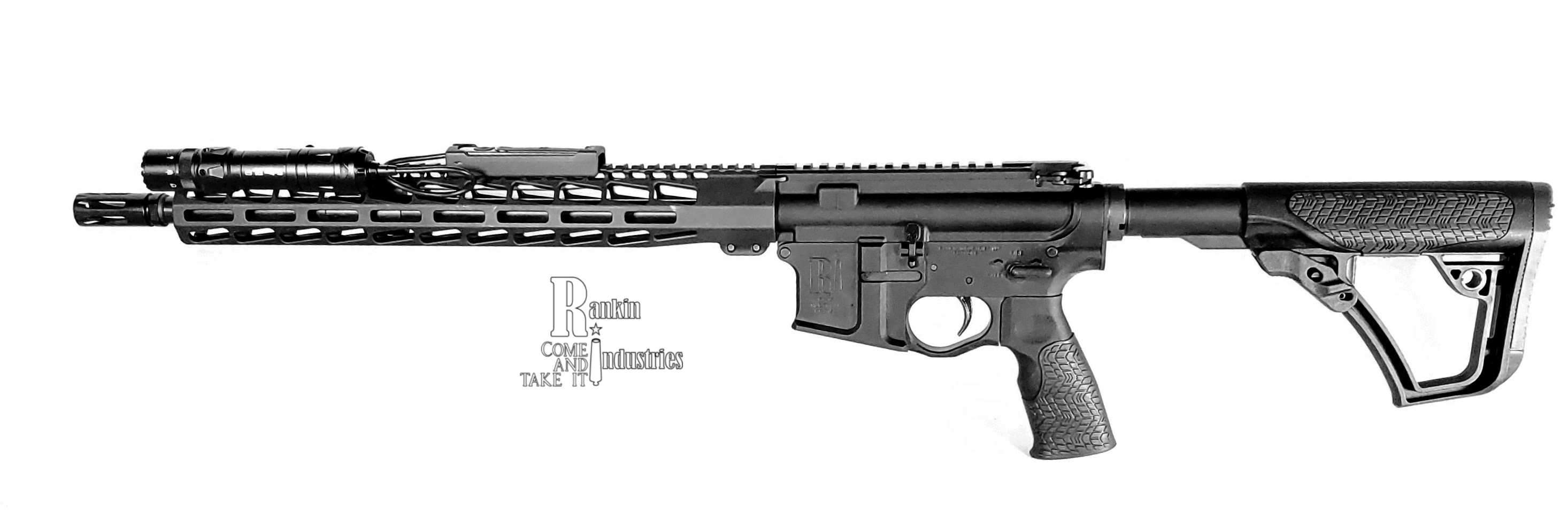
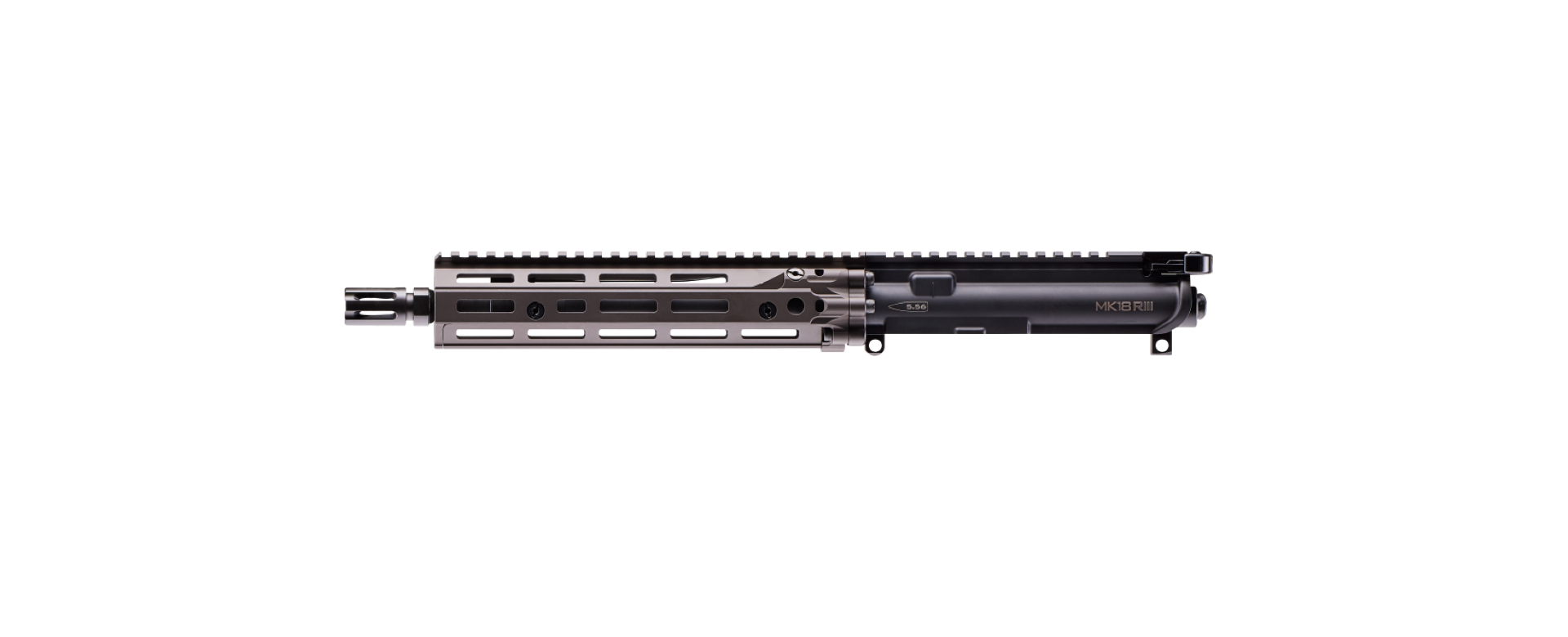
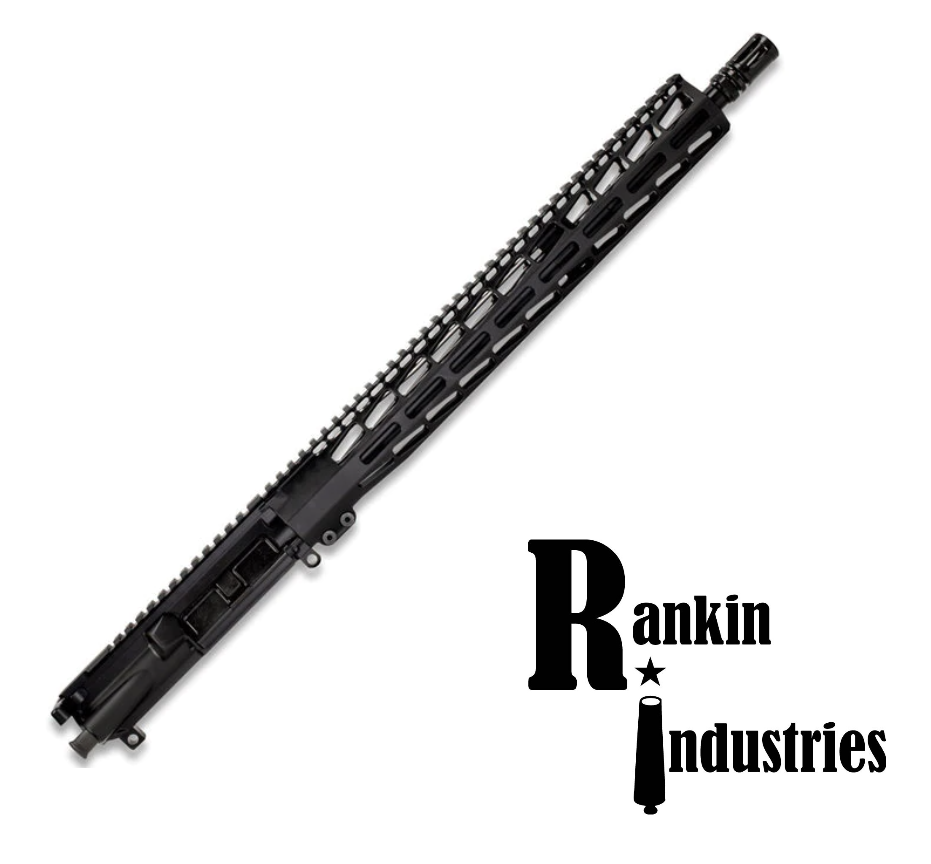
A cartridge does not perform in isolation. Barrel length, chamber, bullet weight, and the specific ammunition all affect velocity and handling, so two rifles in the same chambering can produce different results. For buyers comparing an AR-15 setup, AR-15 upper considerations include matching the barrel and chamber to the intended ammunition. Rankin Industries makes complete AR-15 uppers, build kits, and rifles, with exact specifications depending on the listed configuration.
How their ballistics compare
The broad pattern is straightforward: .308 generally sends a heavier bullet and carries more energy, while 5.56 often starts with higher velocity using lighter bullets. Those statements are useful starting points, not promises about every load. A fair comparison looks at the actual ammunition and rifle combination rather than the cartridge name by itself.
Muzzle velocity varies with bullet weight and barrel length
Velocity figures are meaningful only when we know the bullet and the test barrel used to produce them. A lighter bullet may leave the muzzle faster than a heavier one in the same cartridge, and a different barrel length can change the result. This general comparison shows why a single number can mislead:
| Comparison point | 5.56 NATO | .308 Winchester |
|---|---|---|
| Common bullet character | Lighter bullets are common | Heavier bullets are common |
| Typical rifle setup | Often a lighter rifle platform | Often a larger rifle platform |
| General energy pattern | Less energy with common loads | More energy with common loads |
The table describes common tendencies, not a guarantee for a particular box of ammunition. When exact performance matters, we should use the manufacturer’s data for the load and rifle we actually have.
Energy figures show .308’s advantage, but don’t tell the whole story
With many common loads, .308 produces more muzzle energy than 5.56 because it launches a heavier bullet. Energy is one comparison tool, but it cannot tell us everything about accuracy, trajectory, or a bullet’s performance at a particular impact speed. Bullet construction and the task at hand matter too. We should treat energy as context, not a complete verdict.
Trajectory depends on the load, zero, and distance
Trajectory is the bullet’s path in relation to the line of sight, and it changes with the load, the rifle’s zero, and distance. A lighter, faster 5.56 load may have a flatter path over some distances, but that does not mean every 5.56 load has less drop than every .308 load. If we compare trajectories, we need to use the same conditions and the published data for each load. A zero that suits one rifle and use may not suit another.
Wind drift is influenced by bullet design and conditions
Wind drift depends on bullet shape and weight as well as wind speed, direction, and distance. A well-designed bullet can retain velocity and resist wind better than a less aerodynamic one, regardless of a simplified caliber label. That is why we should compare specific loads rather than assume that bullet diameter settles the question. Weather and distance add variables a chart cannot remove.
Range and practical accuracy
There is no single effective-range number that applies to every shooter and target. The useful distance depends on the task, the rifle, the ammunition, and the person behind the sights. We get better answers by defining what a practical hit means for our own use before comparing cartridges.
Effective range depends on the target and the shooter
A rifle’s useful range depends partly on the size and type of target and on the shooter’s ability to place consistent shots. The same distance can be routine for one practiced shooter and unrealistic for another, especially as wind and visibility change. For a practical comparison, we should set a clear standard for accuracy and use, then assess each cartridge against it. A published maximum range does not set our personal limit.
A longer range does not guarantee a better hit
More energy or a longer claimed range does not automatically make a rifle easier to shoot well. If we cannot read conditions, hold steadily, and maintain a consistent position, the cartridge’s theoretical advantage may not help. The most useful choice is often the one we can practice with and handle consistently. We should judge the result on repeatable performance, not reputation.
Barrel length and optic setup can change what a rifle does well
Barrel length can affect velocity, balance, and how a rifle carries, while an optic affects how clearly and comfortably we can aim. Neither factor works alone: mounting, eye relief, rifle fit, and the intended distance all shape the setup. When comparing rifles, we should look at the complete package rather than focusing on caliber alone. The AR-15 barrel length guide offers more context on how dimensions influence handling and performance.
Training and consistent ammunition matter more than a single range figure
Practice makes it easier to understand how a rifle behaves and to spot inconsistencies in our own technique. Using the same ammunition during a comparison also helps us avoid confusing a load change with a rifle or cartridge difference. We can keep the process simple by recording a few basics:
- Use the same target and distance for each rifle.
- Keep the ammunition and optic setup consistent during a comparison.
- Note the conditions and how well we can repeat our positions.
- Judge groups and reliable hits, not one unusually good shot.
Those notes are more useful than a single range claim because they reflect how we actually shoot. For visual context, a general cartridge comparison video can help illustrate the differences in rifle size and recoil, but it cannot replace checking the data for our own load.
Recoil, rifle weight, and handling
Recoil affects comfort, follow-up shots, and how much practice we are likely to do. It is shaped by the cartridge, rifle weight, stock fit, and other parts of the setup. The right comparison includes how the rifle feels over a full practice session, not just how it feels for one shot.
5.56 generally produces less recoil and faster follow-up shots
In comparable rifles, 5.56 generally produces less recoil than .308. Many shooters find that makes it easier to stay on the sights and return to the target for another shot. The rifle’s weight and configuration still matter, and a poorly fitted stock can make any rifle less comfortable. Less recoil is a practical advantage when we plan to practice often.
.308’s recoil can affect comfort and practice time
The stronger recoil of many .308 setups can be tiring for some shooters, particularly during longer sessions. That does not make the cartridge a poor fit; it means we should consider our comfort and training plans before choosing it. A rifle that meets our needs but discourages regular practice may not be the best personal match. We can handle the rifle and consider its fit before making a decision.
Lighter rifles are easier to carry but may feel sharper to shoot
A lighter rifle can be easier to carry across a field or keep ready during a long day. The tradeoff is that less rifle weight may make recoil feel sharper than it does in a heavier setup. We should compare total carry weight with how comfortable the rifle is to shoot, rather than treating low weight as an automatic win. The intended use determines which side of that tradeoff matters more.
Rifle fit and muzzle devices can affect perceived recoil
Stock length, cheek position, and how naturally the rifle comes to the shoulder affect comfort and control. Muzzle devices can also change perceived recoil, but their effects depend on the device and rifle; we should not assume that one part makes every setup feel the same. Fit should be checked with the rifle unloaded and handled safely. A comfortable position is a better starting point than buying around a feature alone.
Ammunition, cost, and rifle considerations
Ammunition availability and price change with location and market conditions, so a snapshot from one shop or one week may not hold elsewhere. We should compare the loads we can actually obtain, including practice and hunting options when relevant. Rifle size, magazine format, and chamber markings also belong in the decision, not as afterthoughts.
Compare common loads by bullet weight and intended use
Loads are made for different purposes, and bullet weight is only one part of the choice. A range load and a hunting load may have different bullet constructions even when their listed weights are similar. We should use manufacturer guidance and select ammunition that fits the rifle and intended task. Rifle ammunition options can help us compare available categories and calibers.
Availability and price vary by location and market conditions
The relative cost of 5.56 and .308 can shift over time, and a local shelf may not reflect the broader market. We should compare the specific loads we expect to buy regularly, not just the price of a single box. If we shoot often, reliable access to suitable ammunition is part of the practical cost of owning the rifle. Checking what is actually on the ammunition shelf this week gives us a more useful answer than relying on old price comparisons.
Magazine capacity and rifle weight can shape a practical setup
Magazine capacity and rifle weight depend on the specific rifle and magazine, so we should check the product details instead of assuming a fixed number from the cartridge. Platform size can affect storage, carry, and how the rifle handles. A discussion of AR-15 and AR-10 platform differences is useful when deciding whether the overall rifle format suits our needs. The more a rifle will be carried, the more its complete weight matters.
Check the rifle’s markings and manufacturer guidance before choosing ammunition
The markings on the barrel or receiver are the first place to check which ammunition the rifle is designed to use. If the marking is unclear, we should consult the manufacturer rather than infer compatibility from a cartridge’s appearance. This matters for both 5.56 and .308 families, where related names can conceal meaningful specification differences. We should not fire ammunition unless it is approved for that specific rifle.
Choosing between 5.56 and .308 for real-world use
A good choice starts with the job and the rifle we are prepared to carry, feed, and practice with. 5.56 often makes sense when lower recoil and a lighter setup are priorities; .308 is worth considering when its heavier common loads and higher energy suit the task. Neither label replaces checking the firearm, ammunition, and local rules.
Consider how far you expect to shoot and what you need to carry
Think about realistic distances, the size of the target, and whether the rifle will spend more time at the range or on your shoulder. A lighter 5.56 setup may be easier to carry, while a .308 rifle may better suit a use that calls for heavier bullets. The rifle’s complete weight and intended ammunition both count. We should be honest about the distances we will actually practice at.
Weigh recoil and practice frequency against power needs
If we expect to practice regularly, recoil and ammunition cost can influence how often we get to the range. A .308’s additional energy may be useful for some purposes, but we should weigh that against the comfort and expense of the whole setup. There is no benefit in choosing a cartridge on paper if we do not enjoy practicing with it. Match the rifle to the balance we can sustain.
Hunting decisions depend on local regulations, game, and suitable loads
Hunting choices depend on the game, the ammunition’s suitability, and the regulations where we hunt. Those rules can vary by location and may change, so we should confirm current requirements with the relevant wildlife agency. We should choose a load designed for the intended game and stay within distances where we can place a responsible shot. Cartridge reputation cannot make an unsuitable load appropriate.
For home defense, consider the full setup, safe handling, and local laws
For home defense, we should consider the rifle’s size, recoil, storage, safe handling, and the needs of everyone in the household. The cartridge is only one part of a much broader decision, and laws differ by jurisdiction. Training and secure storage matter regardless of which rifle we choose. We should consult qualified local sources for legal questions and build a plan around safety.
Conclusion
For most comparisons, 5.56 offers lighter handling and less recoil, while .308 commonly provides heavier bullets and more energy; the right choice depends on the rifle, load, use, and shooter. We can narrow it down by comparing specific ammunition, handling the rifle, and considering what we will practice with consistently. For help exploring available options, browse the rifles we have in stock.
Frequently Asked Questions
Is 5.56 the same as .223 Remington?
They are related cartridges with different chamber and pressure specifications. Check the rifle’s markings and manufacturer guidance before choosing ammunition.
Can a rifle marked .223 Remington fire 5.56 NATO?
Not as a rule. SAAMI lists 5.56 NATO fired in a .223 Remington chamber as an unsafe combination in its firearms and ammunition interchangeability guidance, so treat it as a no unless the barrel is marked for 5.56 or the maker says otherwise. Follow the rifle maker’s instructions and use ammunition approved for the specific chamber.
Are .308 Winchester and 7.62 NATO identical?
They share dimensions and are closely related, but their specifications are distinct. Check the rifle maker’s compatibility guidance rather than relying on the names alone.
Which cartridge has more recoil?
In comparable rifles, .308 generally produces more recoil than 5.56. Rifle weight, fit, and the specific load affect how that recoil feels.
Which cartridge is more accurate?
Neither cartridge is automatically more accurate in every rifle. Rifle quality, ammunition consistency, setup, conditions, and shooter skill all affect practical accuracy.
Does .308 always have a longer effective range?
No single range figure applies to every load, rifle, target, or shooter. Practical range depends on the task and the ability to make consistent hits under the conditions.
Which cartridge should we choose for hunting?
Consider local regulations, the game, a suitable load, and the distances at which you can shoot responsibly. Confirm current rules with the relevant wildlife agency.

Lance Rankin is the owner and Chief Gunsmith of Western Sport, a family-run Type 07 FFL and Class 3/SOT dealer in Roanoke, Texas, serving shooters since 2007. Born and raised in Texas with over 50 years of experience handling firearms, Lance purchased Western Sport in 2017 and turned his lifelong passion into his profession. He specializes in AR-15 and AR-10 platform rifles, manufactures Western Sport’s own AR-15 line under the Rankin Industries brand, and runs the shop’s in-house Cerakote coating operation. When he’s not behind the counter or the workbench, you’ll find him on his ranch deep into the night, hunting coyotes with an AR-15 and thermal optics. Lance holds an MBA and personally shoots and tests the products Western Sport sells.