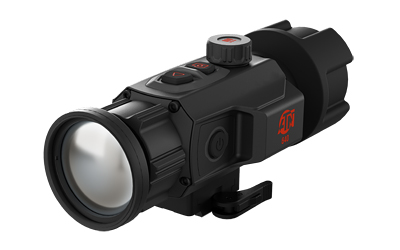
Choosing the best night vision scope starts with the conditions you expect to use it in, then the controls, mounting, and viewing format you can manage comfortably. We would compare the intended use first and the feature list second. A sensible choice is one you can set up, understand, and use safely.
1. Best overall: ATN X-Sight 5
An all-around pick should make sense for more than one narrow use case, without asking us to buy features we will not use. The ATN X-Sight 5 is the choice named for this slot, but we should verify the current model details before weighing it against our needs. Start with the manufacturer’s specifications and the configuration currently offered.
For any digital scope, check the details that affect the way you actually use it: display and sensor information, controls, power, mounting requirements, and the stated operating conditions. The product information describes the X-Sight 5 as a day/night scope with an Ultra 4K sensor and video recording in real 4K. Those documented features give us concrete points to compare, rather than relying on a broad label like “all-around.”
A quick comparison of use priorities can keep the decision grounded. These are questions to check against the current specifications, not assumptions about a particular setup.
| Check | Why it matters | What to verify |
|---|---|---|
| Intended viewing conditions | Conditions shape what information matters most | Manufacturer-stated use and modes |
| Controls | Straightforward operation helps avoid fumbling | Button layout and menu operation |
| Power | Use time depends on the specific setup and conditions | Published battery details |
| Fit | A scope needs to suit the rifle and mounting arrangement | Dimensions and mounting requirements |
That review is more useful than treating one model as a universal answer. We can also browse night-vision optics to see the broader category and compare the available types before settling on a scope.
2. Best budget pick: Sightmark Wraith HD 4-32×50
A budget-oriented choice is about setting a firm spending limit while keeping the intended use in view. The Sightmark Wraith HD 4-32×50 is the pick assigned to this category; we should confirm the current price and specifications rather than assume they stay constant. The model name alone is not enough to decide whether its configuration suits a particular rifle or outing.
Before buying, we would check a short list of practical details. This keeps the comparison focused on fit and documented features instead of a bargain label.
- Confirm the current price and exactly what is included.
- Check the manufacturer’s stated specifications and operating modes.
- Verify mounting fit and the scope’s dimensions against the rifle.
- Review power requirements and any stated accessories.
Once those points are checked, compare the total setup with the amount set aside for the purchase. That gives us a fair budget comparison without assuming that the least expensive option is automatically the right fit. For a wider look at glass and mounting choices, we can also compare rifle-scope options.
3. Best compact scope: Sightmark Wraith 4K Mini
A compact scope is worth considering when space and overall setup are part of the decision. The Sightmark Wraith 4K Mini is the selection for this category, but “Mini” in the model name should not replace a check of actual dimensions. We should compare the published measurements with the rifle and any existing accessories.
Weight and balance are personal, so it helps to consider the full setup rather than the optic in isolation. Think about how the rifle will be carried, where it will be stored, and whether the controls remain easy to reach once everything is mounted. Those are useful checks for any scope, regardless of its advertised category.
We should also make sure a smaller format still meets the intended viewing needs. Read the current specifications closely and confirm which functions, modes, and accessories are included with the exact version being considered. A compact profile is a sensible advantage only when the rest of the setup remains practical.
4. Best for long-range shooting: Pulsar Digex C50
For a long-range setup, start with the distance and conditions you expect to encounter, then compare the scope’s documented specifications with those needs. The Pulsar Digex C50 is the model named for this role; the heading is a starting point for comparison, not a substitute for checking current product information. We should not infer usable range from a model name or a general category.
Pay close attention to the manufacturer’s stated viewing specifications, adjustment information, mounting details, and any conditions attached to its performance claims. The rifle, ammunition, and shooter all matter too, so a scope cannot by itself establish what a complete setup will do. We should make decisions from verified information about the whole system.
Before taking a setup into the field, confirm that it is mounted and zeroed correctly and that we can identify the target and what lies beyond it. Those are basic parts of responsible use at any distance. Local rules and safe-use requirements should be checked for the place and activity involved.
5. Best for recording hunts: ATN X-Sight 4K Pro
If recording is part of the plan, we should check the exact recording options and file details in the current manufacturer information. The ATN X-Sight 4K Pro is the pick named for this category, but the title alone does not tell us which recording functions apply to a particular version. Confirm the precise model and package before deciding.
A useful comparison includes how recording is started, where files are stored, and how they can be transferred or reviewed, if those details are listed for the model. We should also consider whether recording controls fit the way we expect to operate the scope. Written specifications are a better guide than assumptions based on a product family name.
Recording can document an outing, but it does not replace careful observation or sound judgment in the field. Keep attention on safe handling and positive identification, and check local requirements before hunting. Use the video below as a general visual companion to the topic, not as confirmation of any product specification.
6. Best for quick target acquisition: PARD DS35
When quick target acquisition is the priority, we should look for controls and a viewing setup that suit the user and the intended conditions. The PARD DS35 is assigned this category in the roundup, though the model name does not establish how quickly any individual can acquire a target. That comes down to the user, setup, and circumstances.
Where possible, review the layout and operating instructions before buying. Check how the product is mounted, how its controls are reached, and which functions are documented for the exact configuration. A familiar setup can help reduce needless fumbling, but practice and careful use still matter.
The key question is whether we can use the sight picture and controls reliably under the conditions we expect. We should take time to learn the equipment in a safe setting, follow its instructions, and confirm that the rifle and mount are compatible. A category label is useful for narrowing a search, not a promise about results.
7. Best high-resolution digital scope: DNT Optics Zulus HD
For a high-resolution digital scope, compare the resolution details published for the exact model and version. The DNT Optics Zulus HD is the selection for this slot, but the wording in a product name should not stand in for a specification. We should confirm what the manufacturer means by its listed resolution and how it relates to the display and sensor.
It is also worth checking the rest of the specification sheet rather than focusing on one number. Viewing modes, controls, power information, mounting dimensions, and included items can all affect whether a scope fits the intended setup. Different products may describe their specifications in different ways, so compare like with like.
A higher stated resolution is one factor, not a complete measure of suitability. Consider the full setup and how it will be used, then read the current instructions and product details before purchase. That keeps the choice tied to verified information and the needs of the person behind the rifle.
8. Best for low-light performance: Pulsar Digex N455
Low-light performance depends on the scope’s documented specifications and the conditions in which it is used. The Pulsar Digex N455 is named for this category, but we should confirm the manufacturer’s information for the exact version rather than infer its performance from the category heading. Ambient conditions and the complete setup matter as well.
When comparing options, look for the conditions and modes the manufacturer actually describes. Check whether any needed accessories are included or listed separately, and review the stated operating requirements. If the product information does not answer a practical question, we should get clarification before deciding.
Low light makes careful identification and a safe backstop especially important. We should never treat a visible image as proof that a target is safe to shoot; take time to confirm what we are looking at and what lies beyond it. Check local hunting rules and use the equipment only as directed.
9. Best for a wide field of view: Sightmark Wraith 4K Max
A wide field of view can be a useful comparison point when the intended use calls for scanning or keeping more of a scene in view. The Sightmark Wraith 4K Max is the model assigned to this category, but we should verify the field-of-view information in the current specifications. The label itself does not establish a measurement or how it will feel in use.
Compare the published field-of-view details at the magnification or setting that matters to you. Look at the rest of the viewing information too, since a single figure cannot describe the full experience. If the scope will be used on a particular rifle, confirm its dimensions and mounting fit before purchase.
Our preference should follow the task rather than a headline feature. A wider view may suit one use, while another setup may call for a different balance of viewing detail and field coverage. Check the current manufacturer information and, when possible, handle the equipment before making the final call.
10. Best traditional night vision option: Armasight Vampire 3X
A traditional night vision option calls for a different set of questions than a digital scope. The Armasight Vampire 3X is the pick named here, and its current product details should be checked against the intended use before purchase. We should confirm the exact configuration and avoid inferring capabilities from the product name alone.
Start by reviewing the manufacturer’s description, specifications, and instructions for the exact model. Confirm how it is intended to be used, what is included, and which mounting or accessory requirements apply. For the broader brand category, we can explore Armasight night-vision gear, then compare the relevant current listings.
The right choice depends on the job, the user, and a setup that can be operated safely. Whatever type we choose, take time to learn its controls and confirm target identity and backstop before taking a shot. We can review the available scope selection as one step in comparing options.
Conclusion
The best night vision scope is the one whose verified specifications, controls, and fit match the way we intend to use it. Compare exact versions, confirm the complete setup, and give safe operation priority over any single feature or category label.
Shop Night Vision Optics
For help narrowing down night-vision equipment, visit Western Sport and compare the available options with your intended setup.
Frequently Asked Questions
What should we check before buying a night vision scope?
Confirm the exact model, current specifications, mounting fit, power requirements, included accessories, and intended use. Read the manufacturer’s instructions before relying on a feature.
How do digital and traditional night vision differ?
They use different approaches to producing a view in low light. Compare the manufacturer’s descriptions and specifications for each type rather than assuming they operate alike.
Does a higher resolution always mean a better choice?
No single specification settles the decision. Consider the full feature set, intended conditions, ease of use, and fit with the rest of the setup.
Should we check scope dimensions before purchase?
Yes. Confirm the published dimensions and mounting requirements, then compare them with the rifle and any accessories already in place.
Can we use a night vision scope in daylight?
That depends on the particular model and its stated modes. Check the current manufacturer instructions and do not assume daylight use is supported.
What makes a scope suitable for low-light use?
Look at the conditions, modes, and performance information documented by the manufacturer for the exact version. Also consider the rest of the setup and the environment.
What safety steps matter when using a scope at night?
Handle the firearm safely, positively identify the target, confirm what lies beyond it, and follow the equipment instructions. Check local rules for the location and activity.

Lance Rankin is the owner and Chief Gunsmith of Western Sport, a family-run Type 07 FFL and Class 3/SOT dealer in Roanoke, Texas, serving shooters since 2007. Born and raised in Texas with over 50 years of experience handling firearms, Lance purchased Western Sport in 2017 and turned his lifelong passion into his profession. He specializes in AR-15 and AR-10 platform rifles, manufactures Western Sport’s own AR-15 line under the Rankin Industries brand, and runs the shop’s in-house Cerakote coating operation. When he’s not behind the counter or the workbench, you’ll find him on his ranch deep into the night, hunting coyotes with an AR-15 and thermal optics. Lance holds an MBA and personally shoots and tests the products Western Sport sells.