



What is a forced reset trigger? Short version: it is a semi-auto trigger that the bolt carrier pushes back forward after every shot, so the reset happens faster than your finger would manage on its own. You still pull the trigger for each round. I’m Lance Rankin, gunsmith and owner of Western Sport in Roanoke, Texas, and FRTs are one of the parts customers ask me about most. The mechanism is simpler than the internet makes it sound. Here is how it works, how it differs from binary triggers and bump stocks, and what to check before you buy one.
What is a forced reset trigger?
A forced reset trigger changes how the trigger returns to its ready position after a shot. Its operation is linked to the firearm’s cycling action, rather than relying only on the shooter releasing the trigger in the usual way. That mechanical reset is why the design draws attention, and why careful terminology matters when we compare it with other trigger types.
The basic idea behind a forced reset
In a typical semiautomatic firearm, the shooter presses the trigger to fire, then lets it move forward far enough to reset before pressing again. A forced reset design uses the firearm’s cycling action to push the trigger forward after a shot. The shooter still supplies the trigger input for each shot, but the reset action is mechanically assisted.
What the trigger does during a firing cycle
After a shot, the firearm cycles and the moving parts return toward their ready position. In a forced reset system, that cycling action is used to reset the trigger. The exact design and operation depend on the particular device and compatible firearm, so a broad description should not be mistaken for a universal installation or operating guide.
Why the design is associated with a higher firing rate
A trigger that resets quickly can make rapid follow-up shots possible when the shooter maintains control and continues to press the trigger as required. That does not mean the device fires independently or that every user will achieve a particular rate. The reset mechanism is only one part of the firing cycle; the firearm, ammunition, shooter, and applicable rules all matter.
How it differs from other trigger types
The names can sound similar, but the mechanisms are distinct. A standard semiautomatic trigger resets when the shooter releases it, while a forced reset design uses the firearm’s cycling action to move the trigger forward. Binary triggers and bump stocks involve different operating principles, so we should compare the actions rather than relying on broad claims about speed.
Standard semiautomatic triggers
A standard semiautomatic trigger fires one shot when pressed, then must reset before it can fire again. The shooter releases the trigger to reach that reset point and presses again for the next shot. For readers comparing conventional trigger options, Western Sport lists AR and pistol triggers and trigger assemblies and accessories; the exact features vary by product and firearm.
A simplified comparison helps keep the terminology straight:
| Trigger or device | General reset or operating principle | Shooter input for each shot |
|---|---|---|
| Standard semiautomatic trigger | Resets as the shooter releases the trigger | A separate press |
| Forced reset trigger | Uses the firearm’s cycling action to push the trigger forward | A separate trigger activation |
| Binary trigger | Has a separate firing mode associated with trigger press and release | Depends on the selected mode and applicable design |
| Bump stock | Uses movement of the firearm and shooter interaction to increase cycling rate | Requires continued interaction and control |
These are broad descriptions, not a substitute for the instructions for a particular product. For example, TriggerTech triggers are listed as precision-engineered options with adjustable pull weights, while Hiperfire triggers are listed among options for AR-15s and other firearms. Those descriptions do not make either category a forced reset trigger.
Binary triggers and their separate firing mode
A binary trigger has a distinct mode in which firing is associated with both pressing and releasing the trigger. That is different from a forced reset design, where the firearm’s cycling action mechanically pushes the trigger forward. Product configurations and legal treatment can vary, so we should check the documentation for the specific trigger rather than assume every product with a fast reset works alike.
Bump stocks and other rate-increasing devices
A bump stock uses a different method from a forced reset trigger. Rather than mechanically forcing the trigger forward as part of its reset action, it involves movement between the firearm and shooter that can support repeated trigger activation. The shared discussion of firing rate does not make the devices mechanically interchangeable, and it does not establish that they have the same legal status.
What happens during the firing cycle
A firing cycle includes the shot, the firearm’s cycling action, and the trigger returning to a state where it can be activated again. In a forced reset design, those parts of the cycle are mechanically linked. We can describe that at a high level, but readers should rely on manufacturer instructions for device-specific operation and should not treat a general explanation as a fitting or modification procedure.
The relationship between the bolt carrier and trigger
In designs intended for compatible semiautomatic firearms, the cycling action can interact with the trigger mechanism to push the trigger forward after a shot. The details depend on the trigger and firearm design. Compatibility is therefore not something to infer from appearance alone; the firearm maker’s guidance and the device’s own documentation should be checked.
How the trigger reset differs from a typical trigger
With a typical trigger, the shooter releases pressure until the trigger resets. A forced reset mechanism instead uses the firearm’s cycling action to move the trigger forward. This difference describes the reset, not a guarantee about firing speed, reliability, or suitability in any particular firearm.
A video can make the distinction easier to visualize, but it cannot confirm whether a particular device fits a firearm or is lawful where we live. We should use it as background only, then verify the actual product documentation and current rules.
Why the shooter still has to maintain trigger pressure
The mechanical reset does not remove the need for the shooter to operate the trigger. The shooter must maintain the appropriate pressure and control for the design to function as intended, and must remain responsible for aiming and safe handling. We should avoid claims that imply a forced reset trigger operates on its own or guarantees a particular result.
Legal status and how to check it
As of this writing, ATF is not treating forced reset triggers as machine guns. A Texas federal court vacated the old classification in 2024, and in May 2025 the Justice Department settled the FRT cases and dropped its appeal (NRA-ILA covered the settlement here). State law is separate. Several states still ban these devices, so check the rules where you live before you order. I can explain how a device works, but I cannot give you legal advice for your state.
Federal rules and changing interpretations
Because interpretations and enforcement positions can change, check current federal information before making a decision. Western Sport’s 2026 legal overview discusses federal changes and state and local restrictions, and its Texas legal guide covers the rules described for Texas. These are starting points for research, not individualized legal advice.
State and local restrictions
A device that may be treated one way under federal rules can still be restricted under state or local law. Before proceeding, we recommend checking the rules that apply to the place where the device will be bought, possessed, installed, transported, or used. A general summary may not address every local restriction or change that has taken effect since it was published.
For a careful check, we can work through these questions before buying or possessing a device:
- What do current federal rules say about this specific device?
- Does our state restrict possession, transfer, installation, or use?
- Do local rules add restrictions where we live or plan to travel?
- Has a recent legal change affected the source we are relying on?
The answers should come from current, authoritative information and, where needed, qualified legal counsel. Checking each stage matters because the rules for possession and transport may not be identical.
Why sellers’ claims are not a substitute for legal advice
A seller’s description can explain what a product is intended to do, but it cannot settle an individual legal question. A listing or shipping policy also may not cover every jurisdiction or circumstance. If the answer is unclear, we should pause and get guidance from a lawyer familiar with the applicable law rather than rely on a sales page or an online discussion.
Safety and ownership considerations
A forced reset trigger affects a firearm’s operation, so it deserves the same careful approach as any other firearm component. We should use only compatible equipment, follow the firearm maker’s instructions, and keep the firearm pointed in a safe direction while handling it. Legal checks and safe storage remain part of ownership, not optional steps after a purchase.
Follow the firearm maker’s instructions and safety rules
Use the firearm and any component only as the makers instruct. Do not rely on a general article or video to guide installation, adjustment, or troubleshooting. If something does not operate as documented, stop using it and consult the manufacturer or a qualified gunsmith.
Check for applicable laws before buying or possessing one
Confirm the current rules before ordering, accepting delivery, possessing, installing, or transporting a device. Online availability does not prove that possession is lawful in every location. If a question depends on a specific legal or personal circumstance, we should get advice from qualified counsel before acting.
Consider reliability, training, and safe storage
Any change in trigger operation calls for a clear understanding of the device and deliberate handling. We should consider whether we can safely operate and maintain the firearm as instructed, and store it so unauthorized people cannot access it. Training should focus on safe firearm handling and the specific controls and procedures described by the firearm maker.
Claims to scrutinize before buying
A product listing may use broad language about fit, speed, or performance, but those claims need context. We should check the exact model, the firearm it is intended for, the maker’s documentation, and current legal guidance before comparing options. If a claim cannot be tied to a specific product document or a current rule, it should not drive the decision.
Compatibility claims for a specific firearm
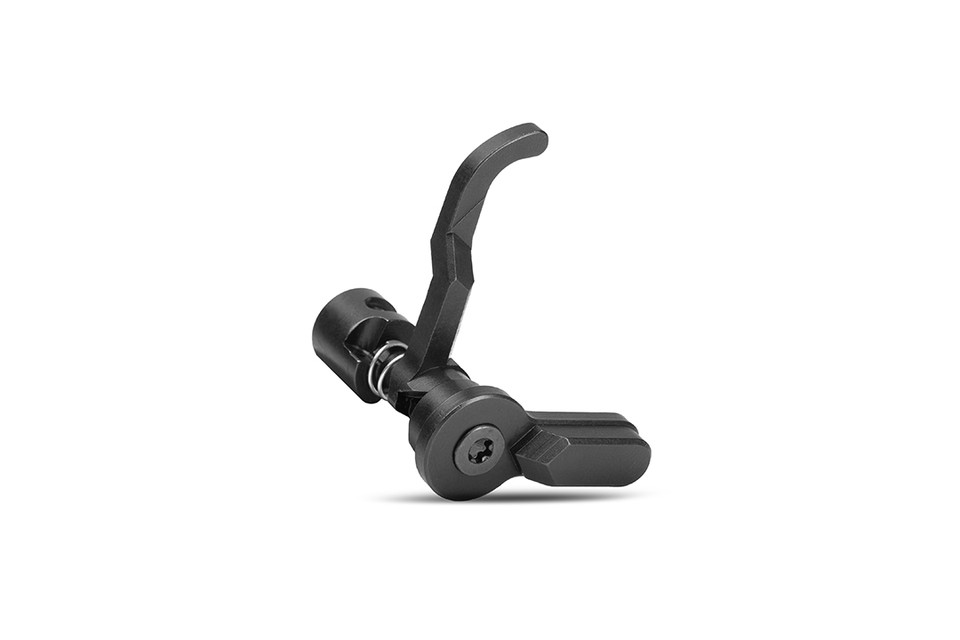
Compatibility depends on the actual firearm and device, not simply on a shared platform name. Check the listed model and any stated limits against the firearm maker’s information. For most AR owners I point to a forced reset selector instead of a full trigger swap. The Atrius Forced Reset Selector replaces the safety selector and works with the trigger you already have, which costs a lot less. You can compare everything we carry on our forced reset triggers and selectors page, along with the states we cannot ship to.
Marketing language about speed or performance
Statements about faster firing or improved performance are not a substitute for specific, verifiable information. A claimed rate may depend on the firearm, setup, ammunition, user, and test conditions. We should be cautious about treating a demonstration or headline number as a result every owner can expect.
Warranty, support, and current legal guidance
Before buying, read the warranty terms and identify who can answer product-specific questions. Confirm that support information is current, and check legal guidance separately from the sales description. If we are weighing a trigger change against a conventional option, we can browse current trigger options and compare the published details without assuming that similar labels mean similar operation.
Conclusion
A forced reset trigger uses the firearm’s cycling action to push the trigger forward, but the shooter still has to activate the trigger for each shot. That mechanical difference separates it from standard triggers, binary triggers, and bump stocks, while compatibility and legal status remain device- and location-specific. Read the maker’s documentation, check your state’s rules, and when you are ready, look over our forced reset trigger and selector lineup or ask the shop which one fits your rifle.
Frequently Asked Questions
What does a forced reset trigger do?
It uses the firearm’s cycling action to mechanically push the trigger forward after a shot, changing how the trigger resets compared with a typical semiautomatic trigger.
Does a forced reset trigger fire without a trigger press?
No. The shooter still has to activate the trigger for each shot. A mechanical reset does not mean the firearm fires independently.
How is a forced reset trigger different from a binary trigger?
A forced reset trigger uses the firearm’s cycling action to push the trigger forward. A binary trigger has a separate firing mode associated with pressing and releasing the trigger.
Is a forced reset trigger the same as a bump stock?
No. They use different operating principles. Similar discussion of firing rate does not make the devices mechanically or legally identical.
Are forced reset triggers legal everywhere in the United States?
Do not assume so. Federal interpretations can change, and state or local restrictions may also apply. Check current rules for the relevant location and consult qualified legal counsel if needed.
Will a forced reset trigger fit any semiautomatic rifle?
No. Compatibility depends on the specific device and firearm. Check the makers’ documentation rather than relying on a general platform description.
Should we install one using an online video?
A video may help explain general concepts, but it does not replace manufacturer instructions or qualified help. Follow the firearm and device makers’ guidance, and consult a qualified gunsmith when necessary.

Lance Rankin is the owner and Chief Gunsmith of Western Sport, a family-run Type 07 FFL and Class 3/SOT dealer in Roanoke, Texas, serving shooters since 2007. Born and raised in Texas with over 50 years of experience handling firearms, Lance purchased Western Sport in 2017 and turned his lifelong passion into his profession. He specializes in AR-15 and AR-10 platform rifles, manufactures Western Sport’s own Rankin Industries parts and rifles, and runs the shop’s in-house Cerakote coating operation. When he’s not behind the counter or the workbench, you’ll find him on his ranch deep into the night, hunting coyotes with an AR-15 and thermal optics. Lance holds an MBA and personally shoots and tests the products Western Sport sells.


