



Is a forced reset trigger legal? Here is where things stand as of this writing. I’m Lance Rankin, I run Western Sport out of Roanoke, Texas, and FRT questions come across my counter almost every week. Federally, ATF is not treating forced reset triggers as machine guns right now. State law is a different story, and a handful of states still ban them outright, so where you live decides the answer.
What a forced reset trigger does
A forced reset trigger (FRT) is a firearm component designed to push the trigger forward after a shot as the firearm cycles. That reset can allow another shot while the shooter continues to apply pressure. The mechanical details matter, but the legal question turns on how the device and firearm operate together under the applicable law.
How the trigger resets between shots
When the firearm cycles, the FRT uses that movement to force the trigger forward and reset it. The shooter can then press again while maintaining pressure, rather than fully releasing the trigger in the usual way. The exact operation depends on the particular design and firearm, so a general description cannot establish how a specific setup will be treated legally.
How it differs from a standard semi-automatic trigger
A standard semi-automatic trigger generally requires a separate trigger press for each shot, with the trigger resetting as the shooter releases it. An FRT changes that reset interaction. It does not change the basic fact that the firearm cycles after each shot, but the trigger’s forced movement is one reason regulators and courts have examined whether the combined system meets a statutory definition of a machine gun.
If you are shopping, our forced reset triggers and selectors page is where we keep them. I steer most AR owners toward the Atrius forced reset selectors first: you keep the trigger you already like and spend a lot less than a full drop-in FRT. We do not ship any forced reset device to CA, CO, CT, DE, DC, FL, HI, IL, IA, MD, MA, MN, NV, NJ, NY, OR, RI, VA or WA, or outside the United States. If you would rather stay with a conventional trigger, TriggerTech and Hiperfire are both good choices.
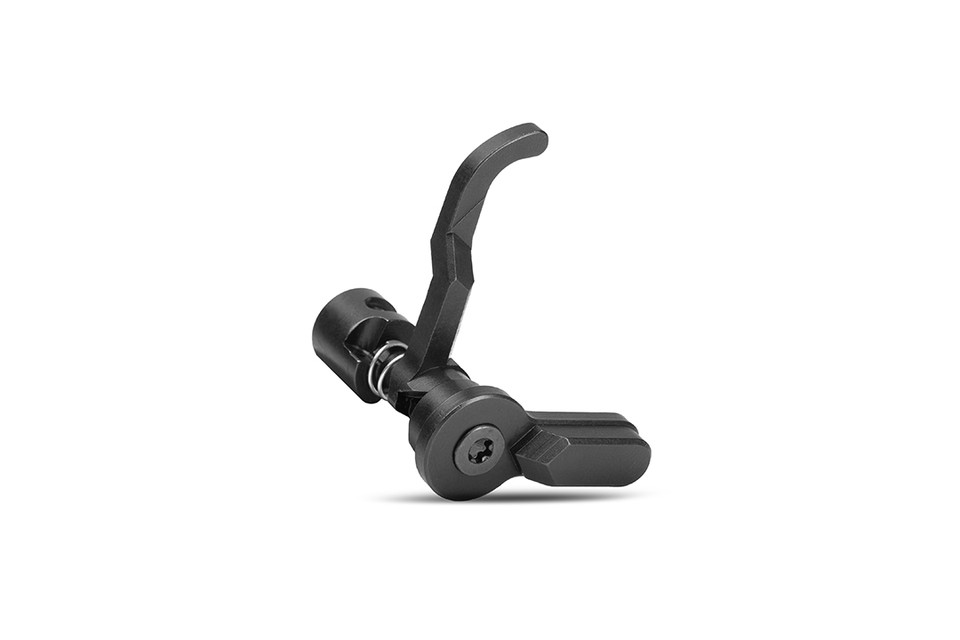
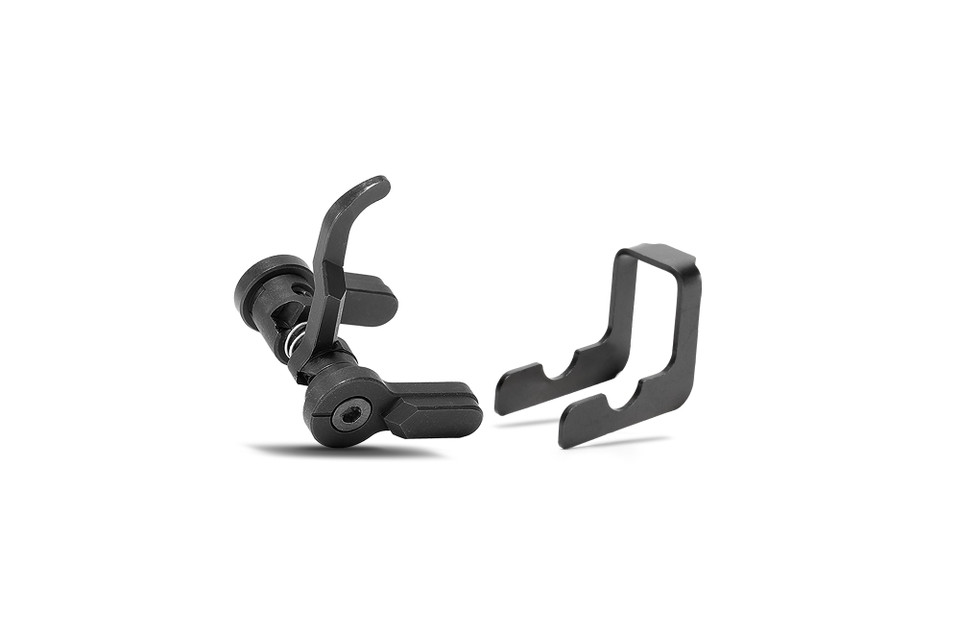
Why the mechanism matters to its legal classification
The legal analysis can turn on the precise meaning of a trigger’s “function” and whether a firearm fires more than one shot automatically by a single function of the trigger. A device’s label alone does not settle that question. The whole operating cycle matters, including what the shooter does between shots and how the firearm and trigger interact.
Is a forced reset trigger legal under federal law?
Federal law defines a machine gun in 26 U.S.C. § 5845(b), including a weapon that shoots, is designed to shoot, or can be readily restored to shoot more than one shot automatically by a single function of the trigger. The ATF previously classified certain FRTs as machine guns, and that position was challenged in court. Litigation and later federal action changed the enforcement picture, so we should distinguish the statute, court rulings, and an agency’s current position rather than treat them as interchangeable.
How federal law defines a machine gun
The statutory language focuses on automatic fire by a single function of the trigger, as well as certain parts or combinations of parts. Courts may have to decide how that wording applies to a particular mechanism. A product’s description, a seller’s statement, or a shooter’s understanding of how it works does not replace the legal test.
ATF’s position and the legal challenges to it
For a few years ATF treated certain forced reset triggers as machine guns, which led to seizures and lawsuits. In July 2024 a federal court in Texas vacated that classification in National Association for Gun Rights, Inc. v. Garland. In May 2025 the Justice Department settled the FRT cases, dropped its appeal and agreed not to treat those designs as machine guns. NRA-ILA’s write-up of the settlement has the details. That is the federal position as of this writing, and it is why ATF notices and articles from 2022 and 2023 read so differently.
Why court rulings or agency actions may change the analysis
A ruling can address a particular agency action or case, while a settlement can change how the government handles a dispute without rewriting the statute. The practical picture is clearer when we separate the questions by source:
| Source of law or action | What it can tell us | What it does not settle by itself |
|---|---|---|
| Federal statute | The statutory definition and prohibitions | Whether every design fits the definition |
| Court ruling | How a court treated a legal issue or agency action | Every question in every jurisdiction |
| Agency action or settlement | The government’s current enforcement position in a matter | Whether state law permits possession |
For that reason, we should read any legal update for its date, parties, and geographic scope. Western Sport’s 2026 FRT legal overview is another place to review the topic, but readers should confirm the current primary law and any later orders before acting.
State and local restrictions
A change in federal enforcement does not erase state restrictions. California has stated that FRTs remain prohibited under its state law, and state officials have pursued action to prevent seized devices from being returned there. Other states may have separate statutes or rules that use different language. We should verify the law where the firearm will be possessed, not rely on a nationwide headline.
States that regulate or prohibit forced reset triggers
California is a clear example of a state that prohibits FRTs under state law. The exact rules elsewhere can depend on how a state defines machine guns, automatic weapons, trigger devices, or prohibited conversion parts. Since those definitions and litigation can change, we should not treat an undated state list as a reliable legal answer.
How local rules can add restrictions
Some places impose additional rules through local ordinances or restrictions on firearm possession and use. A city or county rule may raise issues beyond the device itself, including where it may be possessed or used. We should check the applicable local code and confirm whether state law preempts or limits that rule.
Why a state-by-state list needs a current date and reliable sources
A useful state-by-state guide needs a clear “as of” date, citations to current law, and an explanation of relevant court orders. A list that only says “legal” or “illegal” can conceal important limits, such as an exception, an injunction, or a distinction between possession and transfer. For background on the mechanism and how legal questions arise, we can also review Western Sport’s FRT basics and comparisons, then verify the law independently.
How to check the law where you live
We should start with the law in the place where the FRT will be possessed or used, then check whether a court order or other current action affects that law. Search summaries and sales pages can help identify questions, but they are not substitutes for statutes, regulations, or legal advice. A careful check is especially worthwhile when federal and state rules appear to point in different directions.
Confirm rules with current statutes and regulations
Read the current statutory text and any applicable regulations, including definitions and cross-references. Check the effective date and whether the provision covers the device, the firearm equipped with it, or both. If the text is not clear, do not assume that a product label or a broad description resolves the ambiguity.
Check whether court orders apply to your location
Court decisions and orders can affect how a law is enforced, but the result may depend on the case, the parties, and the location. Look for the actual order and later developments, not just a headline about a win or settlement. We should also check whether the order remains in effect and whether it addresses federal enforcement, state restrictions, or both.
Ask a qualified firearms attorney about unclear provisions
If the statutory language or an order leaves a real question, a qualified firearms attorney can assess the facts and jurisdiction. Before asking, gather the product name, model, firearm configuration, and relevant location details. For a general starting point, Western Sport’s trigger and parts category shows the range of conventional trigger components we list, but a store page cannot determine whether an FRT is legal for a particular person or setup.
Buying, possessing, and moving an FRT
Before buying or installing an FRT, we should confirm the rules at the point of purchase and at the place where it will be possessed. Moving the device across a state line can introduce another jurisdiction’s laws, and a lawful purchase in one place does not establish that possession is lawful somewhere else. We should also check the firearm maker’s compatibility information and any installation requirements without treating compatibility as legal approval.
Questions to resolve before buying or installing one
Before making a purchase, identify the exact product and the firearm it is intended for. Confirm current federal, state, and local restrictions, and check whether any court order applies to the relevant location. Western Sport’s rifle trigger category describes conventional rifle trigger options; it should not be read as an FRT compatibility or legality determination.
Risks of taking an FRT across state lines
A state line can change the applicable law even when the device itself has not changed. Before travel, check the destination and any states along the route, including restrictions on possession, transport, and transfer. We should not assume that a federal change or a rule in our home state carries over to another jurisdiction.
What to check before transporting or using one
Before transport or use, confirm the rules for the specific location and activity. Keep the device secured and follow applicable firearm transport requirements, but remember that safe handling does not resolve a legal restriction. If an official source or court order is unclear, pause and seek qualified legal guidance before proceeding.
What to do if you already own one
If we already own an FRT, the first step is to identify the exact device and determine which laws apply where it is kept. Avoid relying on old news, informal online advice, or a broad claim that FRTs are either legal everywhere or prohibited everywhere. We can preserve relevant records and get advice before making a change that could affect our legal position.
Keep purchase and product records
Keep receipts, order confirmations, packaging, product documentation, and any correspondence that identifies the model and date of purchase. These records can help establish what device we have and when it was acquired. Store them with other firearm records and avoid altering or discarding them while seeking guidance.
Avoid modifying or transferring it until you verify the rules
Do not modify, install, transfer, sell, or transport the device until we have checked the rules that apply. A transfer can raise separate legal questions from simple possession, and a modification may change how the device or firearm is evaluated. When the answer is uncertain, getting advice first is the practical move.
Get legal advice if law enforcement or a regulator contacts you
If law enforcement or a regulator contacts us about an FRT, we should stay calm, avoid guessing about the law, and contact a qualified firearms attorney. Keep relevant records and follow counsel’s advice about any response. This article is general information, not legal advice.
Conclusion
As of October 30, 2026, ATF is not treating forced reset triggers as machine guns, but that does not settle every state or local question. Check the law where the trigger will live before you buy, install or travel with one. When you are ready, our forced reset trigger and selector lineup shows what we stock and lists the states we cannot ship to. Questions about a specific setup? Reach the shop here.
Frequently Asked Questions
Are forced reset triggers legal under federal law?
Federal enforcement changed after court litigation and later government action, but the statutory definition of a machine gun remains in federal law. The answer can depend on the device, the legal action at issue, and current developments.
Are forced reset triggers legal in every state?
No. State laws differ, and California has stated that FRTs remain prohibited under its law. Check current law in the specific state and locality.
Does a federal court ruling override state restrictions?
Not necessarily. A federal ruling may address a federal agency action or a specific legal issue, while state law can impose separate restrictions. The scope of the ruling matters.
Can I travel with an FRT across state lines?
Do not assume that a device lawful in one state is lawful in another. Check the laws of the destination and any states along the route before transporting it.
Does an FRT make a semi-automatic firearm fully automatic?
An FRT changes how the trigger resets and can allow rapid repeated firing while pressure is maintained. Its legal classification depends on the applicable statutory language and the facts of the particular setup.
Should I install an FRT before checking local law?
No. Confirm the applicable federal, state, and local rules before installation or use. Mechanical compatibility does not establish legal permission.
What should I do if I am unsure whether my FRT is lawful?
Pause before buying, modifying, transferring, or transporting it. Review current primary legal sources and consult a qualified firearms attorney if the rules remain unclear.

Lance Rankin is the owner and Chief Gunsmith of Western Sport, a family-run Type 07 FFL and Class 3/SOT dealer in Roanoke, Texas, serving shooters since 2007. Born and raised in Texas with over 50 years of experience handling firearms, Lance purchased Western Sport in 2017 and turned his lifelong passion into his profession. He specializes in AR-15 and AR-10 platform rifles, manufactures Western Sport’s own Rankin Industries parts and rifles, and runs the shop’s in-house Cerakote coating operation. When he’s not behind the counter or the workbench, you’ll find him on his ranch deep into the night, hunting coyotes with an AR-15 and thermal optics. Lance holds an MBA and personally shoots and tests the products Western Sport sells.


