Understanding your firearm requirements is the first step toward building an effective system. This AR-15 barrel length guide breaks down how physical dimensions influence performance and reliability.
The physics of barrel length and muzzle velocity
How powder burn affects velocity
Bullet velocity is primarily a product of the time the propellant gases have to push the projectile down the bore. As the cartridge ignites, the expanding gas accelerates the bullet until the powder is fully consumed, which typically occurs within the first 16 to 20 inches of travel.
Understanding pressure curves and chamber pressure
Pressure within the chamber reaches its peak early in the firing cycle before tapering off as the bullet travels toward the muzzle. A Daniel Defense 16" 5.56MM Carbine M4 barrel utilizes this pressure curve to effectively cycle standard operating systems while maintaining consistent internal pressures.
The limitations of barrel length on ballistic stability
Beyond simple velocity, total length impacts the stabilization of the projectile by defining the duration of the rifling engagement. Variations in output are summarized in the following table for different common configurations.
| Barrel Length | Velocity Potential | Primary Application |
|---|---|---|
| 10.5 Inch | Moderate | Close Quarters |
| 16.0 Inch | High | All-Purpose |
| 18.0 Inch | Maximum | Long-Range |
Selecting the right component involves balancing these physics with your environmental needs, as longer barrels increase transit time but provide more complete energy utilization for the propellant.
The 10.5-inch barrel: Compactness and maneuverability
Advantages in home defense and close quarters
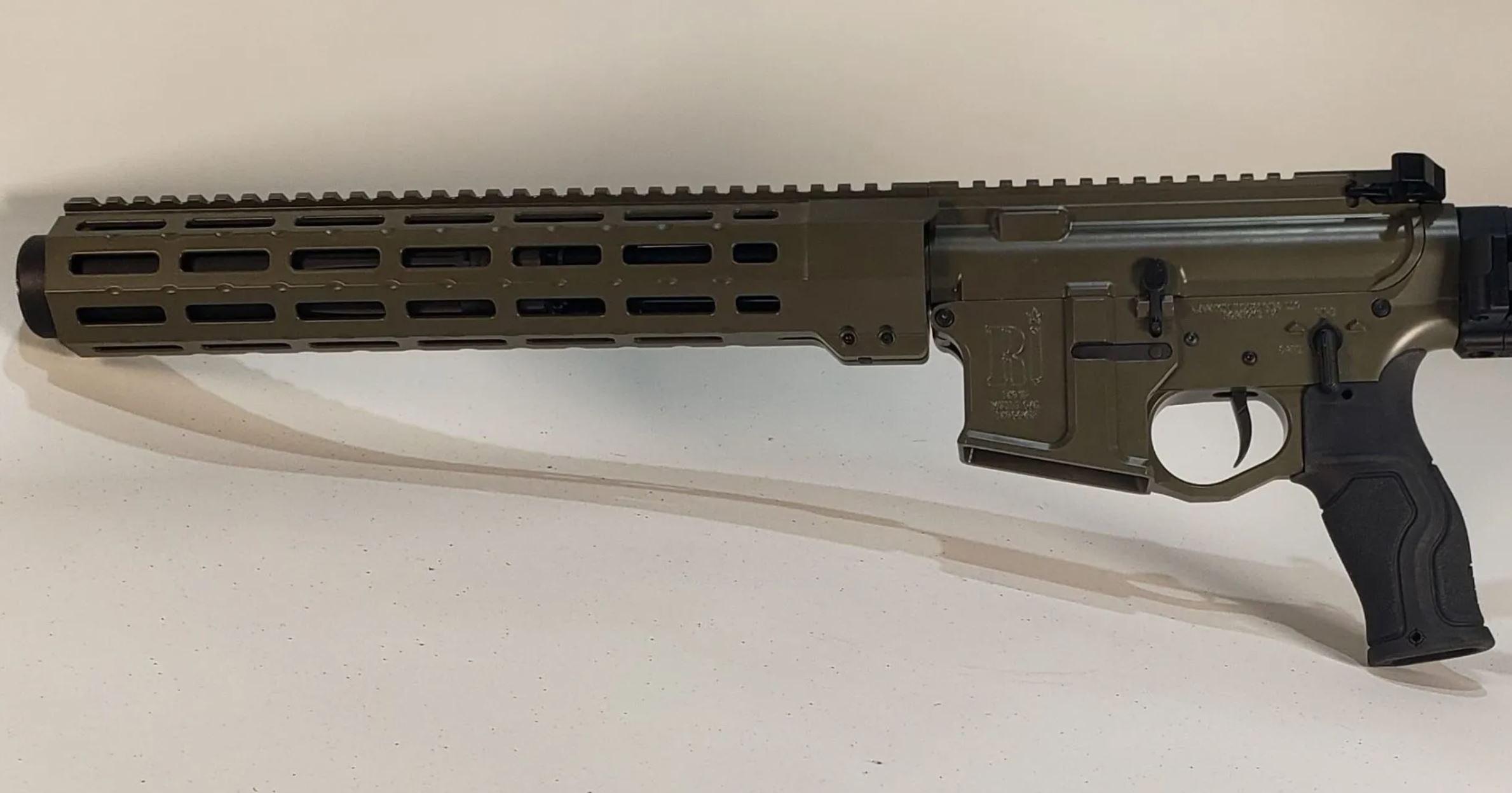
Compact barrels significantly reduce the overall length of the platform, allowing for easier navigation in tight spaces. Many enthusiasts trust the Rankin Industries 10.5 Inch Complete Upper for these scenarios because it provides the short footprint necessary for defensive engagement inside structures.
Managing severe muzzle blast and flash
Shorter barrels result in unburnt powder exiting the muzzle, creating a significantly louder report and increased flash. This byproduct is an inherent trade-off for the increased maneuverability provided by shorter setups, which can be mitigated with proper muzzle devices.
Reliability challenges and gas system tuning
Achieving consistent cycling at shorter lengths requires tighter control over gas flow to counteract the brief dwell time. The Daniel Defense MK18 is widely cited for its ability to balance these constraints in a compact, duty-proven package for tactical users.
The 16-inch barrel: The versatility benchmark
Optimal balance for general-purpose use
The 16-inch length is widely considered the jack-of-all-trades, fitting almost any role without legal restriction or excessive length. Most users find this length ideal for both training and duty, especially when using an Aero Precision 16-inch Barrel.
Navigating legal compliance and NFA requirements
Because this barrel length meets the federal threshold, it avoids the complexities of specialized tax stamps or pistol-specific classifications. Shooters often appreciate this simplicity, as it allows for unrestricted use in most jurisdictions without changing state-level compliance strategies.
Intermediate range accuracy and velocity performance
This configuration ensures that standard grain ammunition performs efficiently at intermediate distances of 300 to 500 yards. By maximizing the burn rate of standard 5.56 NATO loads, the 16-inch setup provides a stable, predictable trajectory for most recreational athletes.
The 18-inch barrel: Precision and range extension
Maximizing terminal ballistics at distance
Longer barrels provide the extra velocity needed for heavier bullets to maintain energy at extended ranges. This allows for flatter trajectories, making it easier to maintain accuracy when targets exceed standard engagement distances.
Benefits of rifle-length gas systems
An 18-inch barrel often accommodates a rifle-length gas system, which operates at lower pressures than shorter carbine systems. This results in a softer feeling cycle, reducing wear on internal parts while maintaining consistent, smooth operation.
The impact of weight on rifle handling
The added length moves the center of mass toward the front of the rifle, which can provide additional stability when shooting from a rest. However, this weight increases as you add optics and accessories, which may affect fatigue during prolonged carry or off-hand shooting.
Selecting the right configuration for your needs
Prioritizing maneuverability for tactical setups
If your primary goal is rapid engagement within structures, a short barrel is likely the best path forward. You can consult Western Sport to find components that balance size constraints with operational needs.
Seeking the efficiency of the 16-inch all-rounder
For those who want one rifle that can do it all, the 16-inch barrel provides the most consistent performance floor. It remains the most popular choice for a foundational AR-15 build, ensuring broad compatibility with standard parts.
Building a designated marksman platform
Precision work requires the velocity and stability afforded by a longer barrel, making the 18-inch configuration the standard pick for accuracy-focused builds. This allows for better distance work while maintaining the semi-automatic speed the platform is known for.
Essential build adjustments for different lengths
Tuning buffer weights for reliable cycling
Modifying the mass of the buffer and the power of the buffer spring ensures that the BCG travels at the correct speed regardless of the gas pressure. To keep your build efficient, utilize these following steps:
- Match heavy buffers with high-pressure, short barrels.
- Use standard springs for mid-length gas systems.
- Consider adjustable carriers to fine-tune cycling.
- Verify ejector marking patterns during initial testing.
These adjustments ensure that the rifle extracts empty cases reliably while avoiding premature wear on the receiver or bolt components.
Selecting appropriate muzzle devices for short barrels
Short barrels benefit from specialized flash hiders or blast redirectors that move pressure away from the shooter. Choosing the right device can significantly improve the comfort of the shooting experience when running a compact setup.
Gas block selection and the importance of dwell time
The gas block diameter and positioning determine exactly how much energy hits the BCG each time a round is fired. Proper alignment ensures that the rifle remains reliable over time, preventing failures to cycle that often plague improperly tuned systems.
Conclusion
Finding the right barrel length rests entirely on your intended application, as there is no single magical answer for every situation. By balancing the realities of velocity, weight, and gas regulation against your personal goals for home defense or precision shooting, you can build a rifle that serves you reliably for years to come.
Frequently Asked Questions
Does a longer barrel always mean higher accuracy?
Accuracy is more dependent on the quality of barrel manufacturing and rifling than length alone; however, longer barrels do provide higher velocity for consistent ballistic performance at distance.
Can I swap a short barrel for a longer one easily?
Yes, provided that your handguard and gas system are compatible with the new length, swapping barrels is a common procedure for those looking to change their rifle’s intended purpose.
What is considered the best barrel length for home defense?
Most practitioners prefer shorter barrels for home defense because they are lighter and easier to maneuver in narrow hallways or around interior furniture.
Does barrel length affect the lifespan of my rifle?
Extremely short barrels can experience faster throat erosion due to the higher pressure and heat at the gas port, but proper maintenance usually mitigates these concerns for the average user.
Why do gas system lengths change with barrel size?
Gas systems are tuned to specific pressure levels, and the timing of the gas port placement—the dwell time—must match the barrel length to ensure the bolt carrier remains locked long enough to function safely.
Is it legal to shoot an AR-15 with a 10.5-inch barrel?
Federal laws classify rifles with barrels under 16 inches as short-barreled rifles, which requires registration and specific legal compliance depending on your state and configuration.
Can I use the same ammunition for all barrel lengths?
Yes, standard ammunition is generally safe to use across different lengths, though performance outcomes in terms of velocity and expansion will vary significantly depending on the barrel size.

Lance Rankin is the owner and Chief Gunsmith of Western Sport, a family-run Type 07 FFL and Class 3/SOT dealer in Roanoke, Texas, serving shooters since 2007. Born and raised in Texas with over 50 years of experience handling firearms, Lance purchased Western Sport in 2017 and turned his lifelong passion into his profession. He specializes in AR-15 and AR-10 platform rifles, manufactures Western Sport’s own AR-15 line under the Rankin Industries brand, and runs the shop’s in-house Cerakote coating operation. When he’s not behind the counter or the workbench, you’ll find him on his ranch deep into the night, hunting coyotes with an AR-15 and thermal optics. Lance holds an MBA and personally shoots and tests the products Western Sport sells.