Night hunting hogs calls for a little more thought than choosing an optic and heading out after dark. For hog hunting at night texas, we need to sort out the land rules, make sure our equipment suits the distance, and agree on a safe plan before we start. A careful setup gives us a better chance of making a clean decision when we finally see an animal.
Check the rules for hog hunting at night in Texas
Before we load the truck, we need to establish where we’ll hunt and which rules apply there. Texas requirements can depend on the property and the method, so we shouldn’t assume a rule from one place carries over to another. We can use the points below to frame our checks, then confirm the current requirements with the relevant authorities and land manager.
Confirm whether you’re hunting private or public land
The first question is who controls the land and what rules apply to access. Public areas can have their own seasons, hours, weapon restrictions, and access procedures; private property still comes with state and local requirements. We should identify the exact property rather than relying on a general description of the area.
For a broader look at Texas night-hunting considerations, see this Texas night hunting guide. Treat general guidance as a starting point, then check the rules for the actual tract and date of the hunt.
Get the landowner’s permission and check local restrictions
On private land, get permission directly from the owner or the person authorized to grant access. Make sure the permission covers the planned time, location, and hunting method, and ask about boundaries, nearby homes, livestock, and other people who may be on the property. A quick conversation can prevent a bad assumption from becoming a safety problem.
We should also ask whether the land manager has additional restrictions on lights, vehicles, bait, or where a firearm may be used. Keep the permission and any property instructions clear among everyone in the group.
Verify license requirements and current Texas regulations
Don’t guess at license or exemption requirements. Check current Texas regulations for the species, land status, hunting method, and date, and confirm whether any special local rules apply. If a rule is unclear, contact the appropriate Texas authority or seek qualified legal advice rather than treating a hunting anecdote as a ruling.
It helps to do this check before planning the rest of the hunt. That way, our equipment and location choices follow the rules instead of forcing a last-minute change.
Know which lights and hunting methods are allowed where you hunt
Rules for lights and other methods can vary with the land and circumstances. Verify whether the intended optic, handheld light, bait, feeder, or vehicle use is allowed for that specific hunt. We should also check the rules for any other species that might appear in the same field of view.
Keep a note of what we confirmed and who gave the guidance. When conditions or property boundaries change, pause and recheck rather than assuming the original answer still applies.
Choose night optics that fit the hunt
An optic helps us detect and assess an animal in low light, but detection is only one part of a safe shot. We should match the device to the terrain, expected distance, and our ability to identify what we’re seeing. A thermal or night-vision image never replaces a clear view of the target and its surroundings.
Compare thermal and night-vision optics
Thermal imaging displays differences in heat, while night vision amplifies available light or uses an infrared illuminator, depending on the device. Each approach has trade-offs in brush, open ground, weather, background, and setup. Our choice should reflect the places we hunt, not a headline range figure by itself.
The thermal and night-vision comparison covers the practical differences to consider. For a closer look at thermal equipment, the thermal imaging selection gives us a place to compare device types; the night-vision optics range is another useful category to review.
Match detection range to the distance you can shoot safely
A device may detect an animal farther away than we can confidently identify or shoot. We should set our working distance by the firearm, ammunition, rest, visibility, and our practiced accuracy, with a margin for uncertainty. If the animal’s identity or the area beyond it remains unclear, we wait or pass.
A rangefinder can help us estimate distance, but it does not solve poor visibility or an unsafe angle. Practicing with the same optic and setup we plan to hunt with gives us a more useful sense of what we can actually do.
Check whether your optic mounts securely and holds zero
Before heading out, inspect the mount and fasteners according to the optic and firearm makers’ instructions. Confirm that the sight picture is repeatable, the controls are familiar, and the setup holds zero through ordinary handling and practice. If anything shifts, stop and resolve it before hunting.
Thermal models differ in features and specifications, so compare the details that matter to our rifle and terrain. This thermal scope comparison can help us identify what to verify before choosing a model.
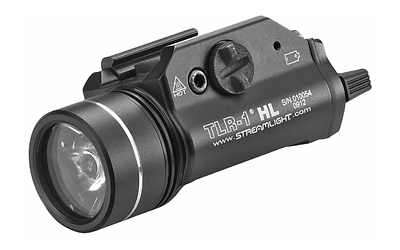
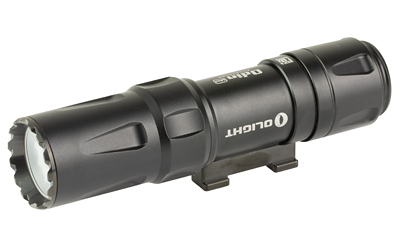
Carry a handheld light for tasks that don’t require an optic
A handheld light is useful for camp tasks, checking gear, and moving around after the rifle is secured. Keep it separate from the optic’s role, and don’t sweep it across people or treat a lit image as automatic confirmation of a target. A light also needs fresh batteries and a place where we can reach it without handling the firearm carelessly.
We should understand and follow the rules for lights where we’re hunting. For transport and setup, keep the light accessible without letting it interfere with safe muzzle control.
Set up a dependable firearm and field kit
A dependable setup is one we can operate accurately and safely in the conditions we expect. That means a familiar firearm, ammunition suited to that firearm, and a field kit that won’t leave us guessing in the dark. We should test the complete setup before the hunt and avoid making unfamiliar changes at the truck.
Choose a rifle and caliber you can shoot accurately
Start with a rifle that fits us and that we can manage from the positions we expect to use. The best choice is not simply the lightest or most powerful option; it is the one we can handle consistently with a safe rest and a clear view. The Texas hog rifle guide compares setups for different terrain and hunting styles.
Rankin Industries makes complete AR-15 uppers, which gives us an option to consider when planning an AR build. Rankin Industries also makes build kits for assembling a firearm, and its product line includes rifles and pistols. We should confirm the specifications and compatibility of any configuration before buying or assembling it.
Select ammunition suited to hog size and your rifle
Use ammunition appropriate for the firearm and follow the rifle maker’s guidance. Check the box and firearm documentation for the correct cartridge, then practice with the actual load we intend to carry. We should not assume that ammunition that functions in one rifle will perform the same way in another.
At night, the priority is a controlled, ethical shot within our demonstrated ability. If we can’t identify the target clearly or place a shot with confidence, we hold fire.
Pack spare batteries, a rangefinder, and basic tools
A small kit keeps simple problems from becoming reasons to rush. Before we pack, it helps to group items by the task they support so we can find them in low light:
- Spare batteries matched to the optic and handheld light
- A rangefinder, with fresh batteries and familiar controls
- Basic tools suitable for the firearm and optic mounts
- A lens cloth and a secure way to carry small items
Pack the tools we know how to use, rather than making a field repair our first time handling them. Keep spare batteries protected from moisture and easy to reach.
Bring communication, navigation, and first-aid gear
Darkness makes a familiar property feel different, so bring a charged phone or radio, a map or navigation device, and a way to share the group’s location. Tell someone outside the group where we’ll be and when we expect to return. Each hunter should know how to contact the others if the group separates.
Carry first-aid supplies suited to the group and know how to use them. Add weather-appropriate clothing and water, and make sure everyone has a plan for getting back to the vehicle without relying on memory alone.
Set up the hunting location
A productive location starts with sign and ends with a safe, workable position. We want to understand where hogs travel, how they may approach, and what lies behind any possible shooting lane. A little patience in daylight can make the night itself simpler.
Find fresh sign near food, water, and travel routes
Look for recent tracks, rooting, trails, and other sign near food and water sources. Compare several clues instead of assuming one mark tells the whole story. Fresh sign can help us choose where to observe, but it doesn’t guarantee hogs will return on a schedule.
We should also note livestock, neighboring property, roads, buildings, and places other people might be. Those details matter as much as the animal sign when we choose a spot to watch.
Place bait or a feeder only where it’s legal and permitted
Before placing bait or using a feeder, confirm that the method is allowed for the specific property and hunt. Ask the landowner about existing arrangements, access, and any restrictions on feed or equipment. Don’t leave materials behind unless the land manager has approved it.
A feeder can bring activity to a known location, but it does not remove the need to identify the target and background. We should position ourselves so that the planned lane remains safe even if an animal approaches from an unexpected direction.
Pick a shooting position with a clear, safe backdrop
Choose a stable position with a clear view and a safe backstop. Identify the boundaries of the shooting lane before darkness, and account for where companions, roads, homes, livestock, and neighboring land are located. If the backdrop is uncertain, we don’t take the shot.
A shooting rest should be stable, and our position should let us keep the muzzle in a safe direction while waiting. Recheck the lane if we move, if visibility changes, or if another person enters the area.
Use wind, cover, and access routes to avoid alerting hogs
Wind and cover may help us approach quietly, but they should never make us rush or take an unsafe route. Plan how we’ll enter and leave the area without crossing another person’s lane or losing track of property boundaries. Keep the route simple enough to follow in darkness.
We can make a short plan before setting out: where to park, where to wait, and which route to use if we need to leave. Then stick to it unless a safety concern requires a change.
Make the hunt safe and controlled
A safe night hunt depends on everyone sharing the same rules before the first animal appears. We should decide who is carrying a firearm, where each person will be, and how the group will communicate. If the plan becomes unclear, we pause and reset rather than trying to improvise under pressure.
Identify the target and what lies beyond it
We must positively identify the animal and see what is behind it before firing. A thermal signature or night-vision image can help us detect movement, but it may not reveal enough to distinguish an animal from another target or show the full background. If either point is uncertain, we do not shoot.
This is the point where patience matters most. We can wait for a better angle, improve our view from a safe position, or end the opportunity without firing.
Set clear rules for shooting lanes and group communication
Before moving into position, each person should know their assigned area and where others will be. Agree on simple communication signals and a clear command to stop if someone cannot account for a person, animal, or lane. Keep the group small enough that everyone can follow the plan.
A short pre-hunt check helps keep the agreement practical:
- Identify each person’s position and shooting lane
- Agree on how to call out a stop or a change in position
- Confirm where everyone will wait if the group separates
- Set a check-in time and a return route
Once the hunt starts, keep communication direct and avoid moving into another person’s lane. If we lose track of anyone, the hunt stops until we know where they are.
Keep muzzles pointed in a safe direction while moving
Keep the firearm pointed in a safe direction and follow its manual whenever we move, load, unload, or set it down. Keep fingers away from the trigger until we have identified the target and made the decision to shoot. Use a safe carry method that fits the firearm and the terrain.
If we need both hands for a task, secure the firearm first. Don’t carry a loaded firearm in a way that makes a fall or stumble likely to change its direction toward another person.
Plan for heat, darkness, and changing weather
Night does not always mean comfortable conditions. Check the forecast, dress for the expected temperature, and bring enough water for the time outdoors. In heat, fatigue can creep up; in rain or fog, visibility and footing may change quickly.
Set a limit for how long we’ll stay and make a plan to leave if conditions turn unsafe. Keep clothing and gear arranged so we can still move carefully, maintain control of the firearm, and find the route back.
Take the shot and recover the hog
A shot is only worth taking when the target, distance, and background are clear. We should decide in advance how the group will respond if an animal is hit, because darkness can make movement and recovery harder to assess. A calm recovery plan protects both the hunters and anyone else nearby.
Confirm range and a clear shot before firing
Use a range estimate we trust and a stable position, then confirm the animal and the entire shooting lane. Make sure the firearm and ammunition are appropriate and that no person, road, building, livestock, or other hazard lies beyond the target. If we can’t verify those conditions, we wait.
A detected animal is not automatically a shootable animal. We take the shot only when we can identify it and make a controlled shot within our ability.
Watch the animal’s direction of travel after the shot
After firing, stay in position and watch where the animal moves, if it is safe to do so. Note its direction and any landmarks we can identify without leaving the group or pointing a firearm unsafely. Share that information clearly with the partner before anyone begins tracking.
We should not assume an animal is down just because it disappears from view. Keep the area quiet and use the agreed plan before changing positions.
Give a wounded hog time before tracking it
If the animal may be wounded, don’t rush after it. Wait for an appropriate interval based on the circumstances and seek guidance from an experienced hunter or the land manager if we are unsure. Moving too soon can make it harder to find the animal and may put the group in a dangerous position.
Before tracking, secure firearms, confirm everyone’s location, and agree on who will lead. If the direction or condition of the animal is uncertain, proceed cautiously and stop if the group loses sight of one another.
Use lights and a partner to recover and handle the animal safely
Recover the animal with a partner, using lights only in ways allowed on that property. Keep firearms secured and pointed safely while people move around, and don’t crowd an animal that may still be alive. If there is any doubt, maintain distance and get experienced help.
After recovery, follow safe handling practices and any applicable requirements for transport and processing. A clear handoff between partners matters: one person can focus on the animal while the other watches the surroundings and keeps the route back in mind.
Conclusion
A good night hog hunt starts with permission and current rules, then depends on equipment we know how to use, a safe position, and a clear agreement among everyone in the group. We should be ready to pass on any shot we can’t positively identify or take safely. When we’re comparing firearm options, we can browse available choices and confirm the details that fit our setup before buying.
Frequently Asked Questions
Can we hunt hogs at night anywhere in Texas?
No single answer applies to every location and method. Confirm current regulations, property rules, and local restrictions for the exact land and date before planning a night hunt.
Do we need the landowner’s permission to hunt private property?
Get permission from the owner or an authorized person before entering or hunting private land. Confirm where you may go, when you may hunt, and which methods are allowed.
Is thermal better than night vision for hog hunting?
Neither is best for every situation. Terrain, weather, background, budget, and the way we plan to hunt all affect which type is a better fit.
Does an optic’s detection range tell us how far we can shoot?
No. Detection range is not a safe shooting distance. We need to identify the animal and its surroundings, estimate range, and stay within the distance at which we can shoot accurately.
Can we use bait or a feeder at a night hunting location?
That depends on the rules for the land and hunt, as well as the landowner’s permission. Verify both before placing bait or operating a feeder.
What should we do if a hog is wounded?
Stay calm, watch its direction of travel if it is safe, and give it time before tracking. Secure firearms, keep partners together, and proceed cautiously rather than rushing into darkness.
What should we bring on a night hog hunt?
Bring suitable optics, spare batteries, a rangefinder, basic tools, communication and navigation gear, first-aid supplies, water, and weather-appropriate clothing. Choose gear we have practiced with and can safely manage in low light.

Lance Rankin is the owner and Chief Gunsmith of Western Sport, a family-run Type 07 FFL and Class 3/SOT dealer in Roanoke, Texas, serving shooters since 2007. Born and raised in Texas with over 50 years of experience handling firearms, Lance purchased Western Sport in 2017 and turned his lifelong passion into his profession. He specializes in AR-15 and AR-10 platform rifles, manufactures Western Sport’s own AR-15 line under the Rankin Industries brand, and runs the shop’s in-house Cerakote coating operation. When he’s not behind the counter or the workbench, you’ll find him on his ranch deep into the night, hunting coyotes with an AR-15 and thermal optics. Lance holds an MBA and personally shoots and tests the products Western Sport sells.