Our Sig Sauer P365 review starts the same place every carry conversation at our counter does: fit, practice, safe carry, and the configuration that matches your hands and clothing. The P365 remains a practical micro-compact choice when daily concealment matters more than a full-size shooting experience. Its small size helps it disappear under a shirt but makes recoil more noticeable, capacity depends on the magazine and configuration, and trigger feel, sights, and grip fit deserve hands-on testing before you commit.
1. What the Sig Sauer P365 is designed to do
The Sig Sauer P365 was designed as a purpose-made concealed-carry pistol, not as a reduced-size range gun. That distinction explains nearly everything about it: the short profile, the compact grip, and the effort to offer useful capacity in a package that stays easy to carry. In this Sig Sauer P365 review, we are less interested in slogans than in whether that design remains sensible for ordinary daily use in 2026.
The answer is generally yes, provided we accept the trade. A micro-compact can disappear under a shirt more readily than a larger pistol, but it will not have the same grip area, sight radius, or recoil margin. We get a carry-focused tool that rewards a good grip and regular practice rather than a pistol that feels effortless from the first magazine.
That purpose also keeps the buying decision straightforward. We should start with how we will carry, what clothing we wear, and whether we can run the controls reliably. Our broader concealed-carry guide makes the same practical point: fit and function matter more than marketing language when a pistol is meant to be carried regularly.
2. How the P365 carries compared with larger concealed-carry pistols
Compared with larger concealed-carry pistols, the P365 gives up some shootability in exchange for less bulk against the body. The difference is most apparent around the grip, since the grip is often the part that prints through clothing. A shorter, narrower carry gun can be easier to live with during long drives, desk work, and warm-weather clothing.
That does not make a larger pistol a poor choice. More grip surface can help us establish a consistent purchase, and additional mass generally makes practice more comfortable. The right comparison is not “small versus large,” but whether the pistol stays concealed while remaining controllable enough for the owner to use responsibly. The NSSF’s own rundown of micro-handguns for concealed carry lands on the same trade-off between concealment and shootability.
We also need to compare the complete carry system, not just the handgun. Holster position, belt stiffness, clothing, magazine placement, and body shape change the result. A pistol that looks ideal on paper may be less comfortable after several hours, while a slightly larger setup may work better for a particular wearer.
3. Size, weight, and concealment in everyday use
The P365’s compact dimensions are its central advantage. The original configuration is listed at 5.8 inches long and 4.3 inches high, with a 9mm chambering, though buyers should confirm the specifications for the exact current SKU. Those dimensions explain why the pistol is often considered for inside-the-waistband carry and other discreet setups.
In daily use, height can matter as much as length. The grip is the portion most likely to show when we bend, reach, or sit, so a careful holster position and proper clothing still matter. We should also keep the trigger guard covered by a purpose-built holster and confirm that the pistol remains secure during normal movement.
Before buying, we would work through a short concealment check rather than trusting a product photograph. Try the unloaded pistol or a proper inert training device in the intended holster, then sit, walk, reach, and bend. Our holster selection guide and the holsters we carry are useful here because retention, material, carry position, and clothing all affect comfort and concealment.
4. Trigger, sights, and shooting ergonomics
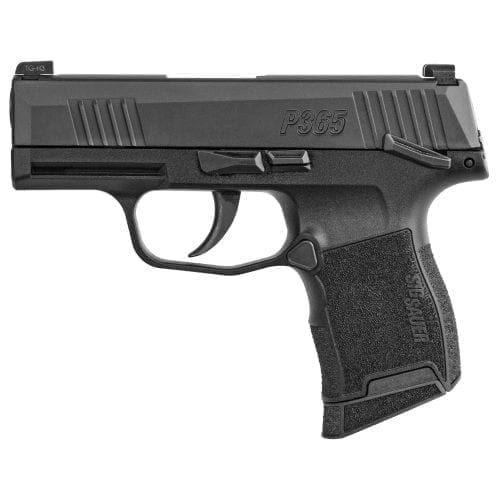
The P365’s trigger and sights are small-pistol features that deserve a real hands-on check. A compact trigger can feel different from a service-size trigger because the grip gives us less room to adjust our hand. The sights also sit on a shorter slide, so our alignment and presentation matter more than they do with a larger sighting system.
Ergonomics will vary more than many buyers expect. Some hands find the abbreviated grip secure; others want more room for the little finger or a different texture. We should pay attention to whether the trigger finger reaches naturally, whether the support hand has somewhere useful to sit, and whether we can rack the slide and manipulate the controls without shifting our grip.
A good counter test is simple: establish a two-handed grip, present the unloaded pistol toward a safe backstop, and check whether the sights settle without forcing the wrist. Then repeat the motion with a qualified instructor. A repeatable grip matters more than a favorable first impression, especially on a pistol intended for defensive carry.
5. Accuracy and practical range performance
A carry pistol does not need to behave like a target pistol to be useful. We should be able to keep practical groups at defensive distances, confirm that the sights agree with our point of aim, and operate the gun without losing control. The short format makes a clean presentation and steady trigger press more important than benchrest-style expectations.
Our testing should begin with a deliberate zero and a familiarization session, not with a rushed judgment after a few rounds. Use the ammunition selected for carry only after checking reliable function, and practice with training ammunition that has a similar point of aim when possible. We should record the load, distance, and conditions rather than relying on memory.
Accuracy also includes the shooter’s ability to repeat the result. If groups open dramatically as fatigue sets in, that tells us something useful about the combination of grip, recoil, sights, and trigger. A pistol that is technically accurate but difficult for us to manage may not be the best personal fit.
6. Recoil, controllability, and comfort for different shooters
The small frame makes recoil more noticeable than it would be in a heavier handgun. That is not a defect; it is the cost of carrying less material. Still, comfort affects practice, and practice affects our ability to use the pistol safely and consistently.
Shooters with larger hands may find the grip too abbreviated, while shooters with smaller hands may appreciate the reduced reach. Hand strength matters as well, particularly when loading magazines, locking the slide, or clearing a stoppage. We should not assume that a light, compact pistol is automatically easier for every shooter to operate.
A sensible practice plan builds skill in stages. Start slowly with an unloaded presentation and dry practice according to the owner’s manual, then use live fire at a manageable pace. From there, work on:
- Establishing the same firing-hand position every time.
- Keeping the support hand engaged rather than relying on the firing hand alone.
- Practicing controlled pairs without chasing speed.
- Checking grip comfort before increasing round count.
That sequence helps us separate genuine controllability from the excitement of a quick first magazine. If the pistol remains unpleasant after a careful grip adjustment and reasonable practice, choosing a different size may be the smarter decision.
7. Capacity, magazines, and P365 model options
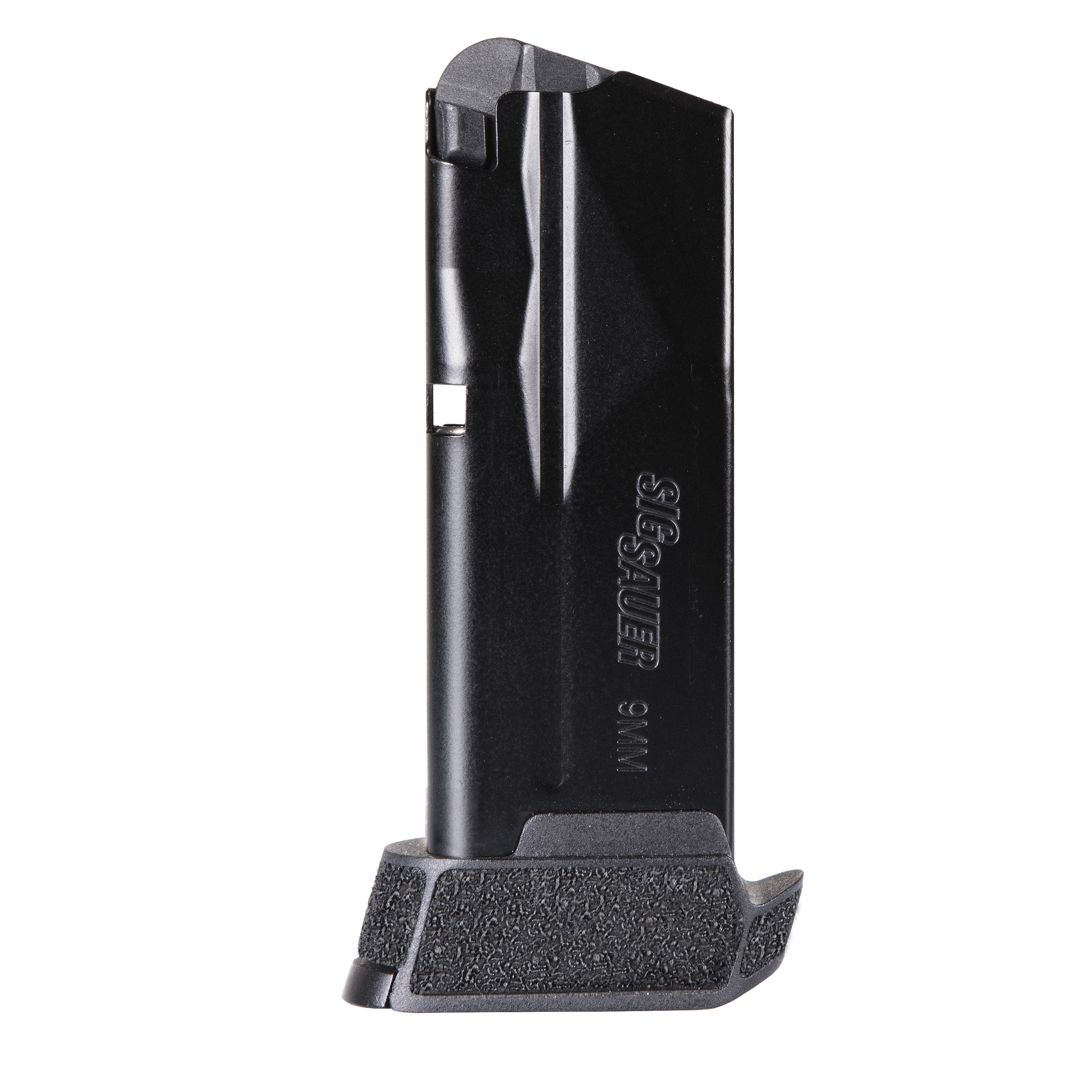
Capacity depends on the magazine and the exact P365 configuration. The original pistol was described with a 10+1 capacity, while the platform has also been associated with 12-round and 15-round extended magazine options. We should verify what comes with the specific package, because included magazines, local restrictions, and model details can change the practical value of a particular purchase.
Magazine handling deserves as much attention as the number printed on the box. A compact magazine can be harder to load by hand, and a longer magazine may improve the firing grip while changing concealment. We should practice loading, unloading, seating, and dropping each magazine we intend to carry, using only safe procedures and suitable training.
The platform’s range of configurations is useful, but more choice can also create confusion. Compare the exact slide, sights, safety configuration, grip module, and magazine contents before placing an order. Our 9mm handgun buying guide is a helpful starting point for thinking through capacity, budget, and intended use without treating one setup as universal.
8. Reliability, maintenance, and long-term ownership
Reliability is a combination of the pistol, magazines, ammunition, maintenance, and the shooter’s handling. Early reports about any new handgun deserve context, and an individual range session cannot prove lifetime reliability. We should inspect a new pistol, read the current manual, and confirm function with the magazines and ammunition we plan to use.
Maintenance is uncomplicated when we keep it consistent. Follow the manufacturer’s instructions for field stripping, lubrication, inspection, and reassembly. Pay attention to the feed surfaces, slide rails, recoil assembly, magazines, and any unusual wear; if something looks wrong, stop and have a qualified gunsmith examine it rather than improvising a repair.
Long-term ownership also means replacing worn consumables and checking the carry system. Holster friction, lint, sweat, and repeated magazine handling can affect equipment over time. We would rather spend a few minutes inspecting the setup than discover a preventable problem when the pistol is needed.
9. Price, accessories, and overall value in 2026
Value depends on the complete package, not only the sticker price. A lower-priced pistol can become a less attractive purchase if we still need a secure holster, spare magazine, ammunition, training, and a safe storage solution. Conversely, paying for a configuration that fits our actual use may be worthwhile if it encourages consistent carry and practice.
Prices and inventory move, so we should check the exact listing and current transfer requirements before budgeting. Western Sport’s Sig Sauer buying options are a natural place to start when we want to compare available configurations and ask questions at the counter. We can also use our home-defense handgun guide to think through how a carry pistol’s compact priorities differ from those of a larger home-defense setup.
The most useful accessories are the boring ones that support safe ownership: a properly fitted holster, a way to secure the pistol, spare magazines, practice ammunition, and instruction. We should be cautious about adding equipment simply because it is available. Every accessory needs to preserve safe handling, reliable retention, and a clear purpose.
10. Who should buy the P365, and who should choose another pistol
The P365 makes the most sense for someone who places a high value on concealment and is willing to practice with a small 9mm pistol. It can suit a daily carrier who wants a compact package, a buyer whose clothing makes larger grips difficult to hide, or a shooter who prefers a modern micro-compact format. The key is not the label; it is whether the individual can operate the chosen configuration confidently.
We would steer a buyer toward a different size when the small grip, sharper recoil, or controls make practice consistently unpleasant. Someone who wants long range sessions, a generous grip, or a softer shooting experience may be better served by a larger format. A first-time owner should also consider professional instruction and hands-on fitting before making a carry decision.
There is no prize for carrying the smallest pistol if we avoid practicing with it. We should handle the unloaded options, compare holsters, and select the setup that we can safely store, carry, draw under instruction, and maintain. For shoppers who want to explore another in-house direction, we also invite them to shop our pistols and discuss the use case at the counter.
Conclusion
The P365 remains a strong everyday-carry concept because it takes concealment seriously without reducing the decision to a single capacity figure. Its small size can make daily carry easier, while its compact grip and recoil demand honest hands-on testing. If we choose the right configuration, holster, training plan, and storage method, it can be a sensible 2026 carry pistol; if those trade-offs do not fit us, another size will serve better.
Frequently Asked Questions
Is a micro-compact pistol suitable for everyday carry?
It can be, if the owner can carry it securely, keep the trigger covered, operate it safely, and practice enough to manage its smaller grip and increased felt recoil.
How should a first-time buyer compare carry pistols?
Start with hand fit, controls, safe storage, holster compatibility, recoil, and the ability to practice regularly. Price and capacity matter, but they should not replace those checks.
Does a higher magazine capacity always make a pistol better?
No. Capacity is useful, but it must be balanced against grip size, concealment, loading effort, reliability, and whether the shooter can control the pistol accurately.
What should we look for in a concealed-carry holster?
Choose a holster made for the exact pistol and configuration, with secure retention and complete trigger-guard coverage. It should remain stable during normal movement and work with the intended carry position.
How much practice does concealed carry require?
There is no universal number. We should practice enough to operate the pistol safely, maintain a consistent grip, manage recoil, and identify weaknesses, then refresh those skills regularly.
Should carry ammunition be tested before daily use?
Yes. Test the selected ammunition in the specific pistol and magazines, follow safe range procedures, and confirm reliable feeding and operation before relying on that load.
Is a smaller pistol always easier for smaller shooters?
Not necessarily. A smaller frame may reduce reach, but it can also increase recoil or make the slide and magazine harder to operate. Hands-on testing is the best way to find a workable fit.

Lance Rankin is the owner and Chief Gunsmith of Western Sport, a family-run Type 07 FFL and Class 3/SOT dealer in Roanoke, Texas, serving shooters since 2007. Born and raised in Texas with over 50 years of experience handling firearms, Lance purchased Western Sport in 2017 and turned his lifelong passion into his profession. He specializes in AR-15 and AR-10 platform rifles, manufactures Western Sport’s own AR-15 line under the Rankin Industries brand, and runs the shop’s in-house Cerakote coating operation. When he’s not behind the counter or the workbench, you’ll find him on his ranch deep into the night, hunting coyotes with an AR-15 and thermal optics. Lance holds an MBA and personally shoots and tests the products Western Sport sells.