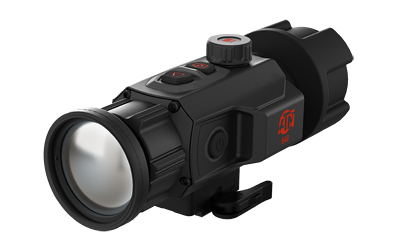
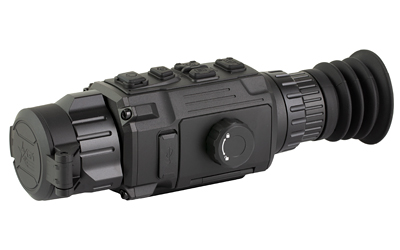
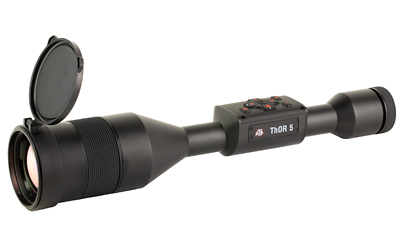
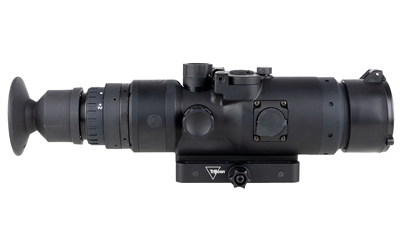
Choosing the best thermal monocular starts with how and where we plan to use it. A broad field, dense cover, and a long walk all put different demands on a handheld optic, so we should compare each pick by its intended role and check the current product details before buying. This guide keeps the focus on practical fit rather than assumed specifications.
1. Best overall: Pulsar Axion 2 XQ35 Pro
An overall pick is useful when we want a starting point, not a promise that one model fits every outing. The Axion 2 XQ35 Pro earns this spot by the role assigned in this roundup, but that label alone does not tell us its full specifications. We should confirm the current listing and compare it with our own viewing distance, handling preferences, and budget.
For a general-purpose choice, start by asking what we expect to observe and how often we will carry the device. A monocular intended for occasional checks may call for a different balance than one we plan to scan with for extended periods. Match the use case first, then weigh the details that matter to us.
Western Sport’s handheld thermal monocular selection is a useful place to compare the category and review available listings. We should use the product page to verify specific capabilities, included accessories, and current availability rather than assume that a model name answers those questions. That small check makes the “best overall” label a practical starting point instead of a substitute for research.
2. Best with a built-in rangefinder: Pulsar Axion 2 LRF XQ35
The outline identifies this model as the rangefinder option, making it the natural pick for shoppers who want to consider ranging as part of their handheld setup. We should confirm the exact rangefinder details on the current product listing before deciding what the designation means for our use. The right question is whether the feature addresses a need we actually have.
A rangefinder can be a useful selection factor when we need distance information alongside observation, but the details and operation vary by model. Before buying, we can check how the device handles that task, what the listing says is included, and whether its controls make sense for us. Those are product-specific questions, so it pays to read the current documentation instead of inferring answers from a model name.
We should also consider the broader kit: how we will carry the monocular, how often we expect to use it, and whether a separate tool would suit our routine better. A clear comparison of those needs helps keep a feature from becoming the whole decision. The best match is the one whose verified functions and handling suit the job we have in mind.
3. Best compact option: Pulsar Axion XG35 Compact
Compactness matters most when we are moving on foot and want equipment that is easy to carry. The outline places the Axion XG35 Compact in that role, so it is a reasonable option to examine if size is high on our list. We should still confirm the device’s dimensions and weight on its current listing rather than assume what “compact” means in hand.
A smaller format can be appealing, but comfort depends on more than the product label. We can look at the shape, control layout, carry method, and any included accessories, then decide whether the unit will be convenient for our own routine. If possible, handling the device before purchase can help answer questions that a headline cannot.
For this pick, the decision is less about chasing the longest feature list and more about whether the form factor fits our plans. Check the published specifications alongside the way we expect to carry and operate it. That simple comparison keeps portability in view without turning it into an unsupported claim about performance.
4. Best for budget-conscious buyers: AGM Taipan TM19-384
A budget-conscious choice should be judged by what it gives us for the price, not by the assumption that lower cost means lower value. The Taipan TM19-384 is the option assigned that role here; current pricing and included items should be verified at purchase time. We can then compare the package with our intended use and decide whether it covers the essentials.
A short checklist can keep the comparison grounded. Before choosing, we can consider:
- The total price and what is included.
- The published specifications that matter to our planned use.
- How the controls and carry setup fit our routine.
- The store’s current availability and product information.
Those checks help us compare like with like instead of relying on a broad value label. If a particular specification is important, we should confirm it in the current product information and ask the retailer when the listing is unclear. That is a more useful way to stay within budget than guessing from a model number.
5. Best for sharper image detail: AGM Taipan TM25-384
The outline assigns the Taipan TM25-384 to shoppers prioritizing sharper image detail. That makes it a candidate to investigate when detail is near the top of our requirements, but the headline is not a substitute for a verified comparison. We should check its published specifications and compare them with those of any other model under consideration.
A small comparison table can help us organize the decision without suggesting unverified product results. Use current listings to fill in the specifics that matter to us:
| What to compare | What to verify | Why it matters |
|---|---|---|
| Image detail | Published sensor and display information | Helps assess whether the listed detail suits our needs |
| Viewing needs | Manufacturer-stated viewing information | Connects the device to the distances and setting we expect |
| Handling | Dimensions, weight, and controls | Shows whether the monocular fits our carry routine |
| Ownership | Included items, availability, and price | Clarifies the actual purchase package |
This framework keeps comparison focused on confirmed information rather than assumptions tied to the model name. If image detail is our priority, we can start there, then check how the rest of the product fits our budget and use. A balanced choice considers both the view and the experience of carrying and operating the device.
6. Best entry-level pick: ATN OTS-XLT 160 2-8x
An entry-level pick can be a sensible place to begin if we are learning what we value in a handheld thermal device. The OTS-XLT 160 2-8x fills that role in this list, but we should verify its current specifications and included features before drawing conclusions from the name. A first purchase deserves the same careful check as a more specialized one.
We can keep the first comparison manageable: identify the setting where we expect to use the monocular, decide which published features are essential, and compare the cost of the complete package. It is also worth checking the controls and instructions, since a straightforward operating experience can matter as much as a headline specification. These are practical questions we can answer from current product information.
For a wider look at related equipment, Western Sport also lists thermal gear for field use. That broader category can help us understand the range of thermal formats available, while the specific monocular listing remains the place to confirm this model’s details. We should keep those two purposes separate: browsing the category for context, then verifying the chosen product itself.
7. Best for longer-range viewing: ATN OTS-XLT 320 2.5-10x
This pick is positioned for shoppers who place longer-range viewing high on their list. The OTS-XLT 320 2.5-10x is therefore worth comparing when that is the task we have in mind, but we should not treat the section label as a verified range figure. Published manufacturer details are the right source for model-specific limits and performance claims.
The terrain and viewing conditions shape what counts as useful distance. An open area and a cluttered setting create different practical demands, and our intended purpose should guide which specifications we check first. We can compare the manufacturer’s stated viewing information with our own use case, while avoiding assumptions about what a number means outside the conditions in which it is specified.
A longer-range emphasis does not remove the need to consider handling, controls, or carry comfort. We should look at the whole product listing and make sure the model’s verified features align with the way we plan to use it. That gives us a more dependable basis for choosing than relying on magnification figures or a category label alone.
8. Best for simple handheld use: HIKMICRO Lynx Pro LH25 2.0
The Lynx Pro LH25 2.0 is the model this roundup places under simple handheld use. That role will interest us if we value a direct, portable way to observe without building a larger setup. We should still confirm the current listing for details on controls, operation, and what comes in the box.
Simplicity is personal. One buyer may want a minimal control layout, while another may want more settings to adjust, so we should decide what “simple” means before shopping. Reading the instructions or checking the controls in person can help us see whether the device’s operation feels intuitive for us.
We should also compare handheld monoculars with adjacent thermal formats only when that comparison answers a real question. Western Sport’s thermal binoculars category offers a way to browse another form factor, though it is not a substitute for checking monocular-specific listings. The point is not to add equipment by default, but to choose the format that suits how we plan to observe.
9. Best lightweight option: FLIR Scout TKx
A lightweight option makes sense when carrying comfort is a priority. The Scout TKx is assigned that role in this roundup, but we should verify its actual weight and dimensions from current product information. Product names and list labels are not reliable substitutes for those figures.
We can think about how the monocular will be carried, how long we expect to have it with us, and whether its size works with the rest of our gear. Small details such as the control layout and the way the device fits in a hand can affect convenience, so a listing review or in-person look is worthwhile. A lighter choice only helps if it also suits the job.
Before settling on a model, compare its verified specifications with the features we need and the price we are prepared to pay. That keeps weight in the right place: an important factor, but not the only one. Our final choice should reflect the whole setup rather than a single headline quality.
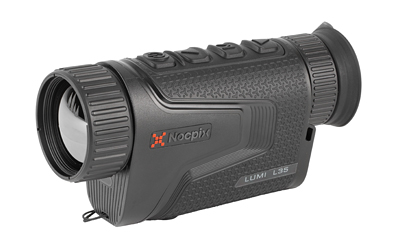
10. Best alternative to the major brands: Nocpix LUMI L35
The LUMI L35 is presented here as an alternative for shoppers who want to look beyond the most familiar names. We should use that role as a prompt to compare current specifications, availability, and product details, not as a claim that any one option is automatically better. The right comparison begins with the requirements we have already identified.
If we are considering a less familiar name, it is sensible to read the manufacturer’s current documentation and check what the retailer lists for the specific product. We can ask about the included items and confirm that the published details answer our practical questions. That same discipline applies to any thermal device, regardless of brand.
Western Sport’s Nocpix thermal optics page is another place to browse the brand’s available thermal equipment. From there, we can compare product listings and verify the information relevant to our use. We should make the choice on fit, confirmed features, and current availability, rather than on familiarity alone.
Picking the best thermal monocular
The best thermal monocular is the one whose verified specifications, handling, and price fit the way we plan to use it. We can treat these ten picks as starting points, confirm every product detail in its current listing, and compare only the features that matter to our own needs. When you are ready, see the thermal monoculars we have in stock and check the product information before choosing. If you want to see how a handheld scanner fits into a real night hunt, The Firearm Blog has a good hog hunt write-up that makes the case for doing your spotting with a handheld monocular.
Frequently Asked Questions
What should we compare when buying a thermal monocular?
Start with the intended use, then compare current published specifications, handling, included items, price, and availability. Confirm product-specific details rather than inferring them from a model name.
Does a higher magnification number always mean a better choice?
No. Magnification is only one part of the decision, and its usefulness depends on the intended viewing conditions and other verified specifications. Compare the full product information against the task you have in mind.
How do we choose between a monocular and binoculars?
Consider which form factor feels more suitable for your planned use, carry preferences, and budget. Compare current listings and, if possible, handle the equipment before deciding.
Are thermal monoculars suitable for daytime use?
Check the manufacturer’s guidance for the specific device and follow its stated operating instructions. Capabilities and permitted use should not be assumed to be identical across models.
What does a built-in rangefinder add to a thermal monocular?
It may provide distance information as part of the device, but the exact function and specifications depend on the model. Verify those details in the current product documentation.
How important are weight and size?
They matter most when you expect to carry the monocular for extended periods or need a particular carry setup. Check the listed dimensions and weight, then consider how the device feels in hand.
Should we choose a model by detection range alone?
No. A single range figure does not describe every aspect of use. Consider the conditions behind the published information along with handling, image detail, intended purpose, and budget.

Lance Rankin is the owner and Chief Gunsmith of Western Sport, a family-run Type 07 FFL and Class 3/SOT dealer in Roanoke, Texas, serving shooters since 2007. Born and raised in Texas with over 50 years of experience handling firearms, Lance purchased Western Sport in 2017 and turned his lifelong passion into his profession. He specializes in AR-15 and AR-10 platform rifles, manufactures Western Sport’s own AR-15 line under the Rankin Industries brand, and runs the shop’s in-house Cerakote coating operation. When he’s not behind the counter or the workbench, you’ll find him on his ranch deep into the night, hunting coyotes with an AR-15 and thermal optics. Lance holds an MBA and personally shoots and tests the products Western Sport sells.