Can you hunt with a suppressor in Texas?
So, can you hunt with a suppressor in Texas? Yes. Under the current Texas Parks and Wildlife hunting rules, suppressors may be used to take any wildlife resource, while all federal, state, and local laws still apply. That answers the basic question, a suppressor does not create a separate hunting license or season, but the details still matter when we choose land, equipment, and ammunition.
The short answer under current Texas law
We can hunt legal wildlife with a legally possessed suppressor in Texas, provided we follow the rules for that species and location. The device changes the rifle’s sound and handling; it does not change what we may hunt, when we may hunt it, or where we may shoot. We should still confirm the current Outdoor Annual and the property’s rules before heading out.
How Texas hunting regulations treat suppressors
Texas treats a suppressor as a lawful firearm accessory for hunting rather than as a special hunting method. The state’s listed means-and-methods guidance says suppressors, also called silencers, may be used to take any wildlife resource, subject to federal, state, and local law. That broad permission does not override restrictions on firearms, ammunition, bait, shooting hours, or particular public properties.
Why federal law still matters
Texas permission is only one part of the answer. A suppressor remains regulated under federal law, so we need lawful possession and the required federal registration process before taking it into the field. We should not treat a Texas hunting rule as permission to bypass federal requirements, and anyone with an unusual ownership or transfer question should consult qualified counsel.
What can change from one season to the next
Dates, zones, bag limits, public-land conditions, and special-hunt rules can change each year. The current date matters: this article is written on August 31, 2026, while the cited Texas means-and-methods result covers September 1, 2026, through August 31, 2027. Before opening day, we should check the current Texas hunting regulations and the specific property notice rather than rely on an old screenshot or forum answer.
Texas suppressor laws hunters need to understand
Owning the equipment legally and using it legally are separate questions. We need to handle the purchase, approval, transport, and storage with the same care we give the rifle itself. Rules can also differ between private property, public hunting land, federal land, and tribal land, so a single Texas answer will not cover every trip.
Buying and possessing a suppressor
We generally begin with a dealer that can handle NFA transfers and the required paperwork. The buyer must be legally eligible to possess the item, and the suppressor must be transferred and registered through the applicable federal process. Western Sport is a licensed FFL and SOT dealer in Roanoke, Texas, and its suppressors for sale page is a practical starting point for comparing caliber compatibility, mounting systems, length, weight, and durability.
The federal approval and registration process
The federal process has historically involved an ATF Form 4 and registration, with the dealer helping submit accurate information. As of January 1, 2026, the federal NFA transfer tax for suppressors is $0, but that does not by itself remove the registration process or other legal requirements. Our Texas suppressor buying guide covers Form 4 paperwork, dealer transfers, individual ownership, and NFA trusts; we should verify the current federal procedure before submitting anything.
Transporting and storing a suppressor
Transport it as a controlled, serialized item and keep it secured from unauthorized access. We should use a case that protects the threads and finish, avoid leaving it loose in a vehicle, and carry whatever ownership and transfer documentation we reasonably need for the trip. A suppressor should never be loaned casually to someone who is not authorized to possess it.
State, federal, and tribal land rule differences
Texas law does not erase the rules of a federal refuge, military installation, national forest, or tribal property. Each place can impose its own discharge, access, transport, and hunting restrictions. When the hunt crosses a jurisdictional boundary, we should read the controlling land manager’s rules and ask the office directly if the language is unclear.
Where suppressor use is allowed while hunting
The statewide answer is broad, but the property answer is narrower. Permission to use a suppressor does not automatically mean permission to discharge a firearm on every parcel. We need both a lawful hunting opportunity and a lawful place to fire.
Private land and landowner permission
On private land, we still need the landowner’s permission and must follow county, municipal, and property-specific discharge rules. A suppressor may reduce the report, but it does not make shooting safe toward roads, homes, livestock, or neighboring land. We should discuss the rifle, ammunition, shooting direction, and safe backstop with the landowner before the hunt.
Public hunting land and property-specific rules
Public land can add restrictions on firearms, dates, access roads, bait, target practice, and discharge areas. We should read the property map and current public-hunt notice, not assume that the statewide suppressor rule settles the question. The same caution applies to leased acreage with a public draw or a managed access program.
Wildlife management areas and special hunts
Wildlife management areas may use drawings, permits, check-in procedures, weapon limitations, or special shooting hours. A special hunt can be more restrictive than the general season even when both occur in Texas. We should carry the exact permit instructions and confirm whether the hunt administrator has added a rule about suppressors or firearm configuration.
Restricted areas, parks, and posted ranges
State parks, city property, wildlife refuges, and posted ranges may prohibit discharge or restrict which firearms may be used. A suppressor is not a permission slip for a park or a range with a no-suppressed-fire policy. If we are sighting in before the hunt, we should ask the range about its current rules and use a suitable suppressor selection for that range and rifle.
Game laws that still apply with a suppressor
The suppressor is the easy part. Species rules, season dates, legal weapons, ammunition, reporting, tagging, and possession limits remain in force. We should build the hunt around those rules first, then select the quietest practical setup that still gives us a lawful and ethical shot.
Legal game, seasons, and hunting hours
We must identify the species, county or zone, open season, daily bag limit, and legal shooting hours before loading the rifle. A suppressor does not extend legal hours or make night hunting lawful where it is otherwise prohibited. Predators, feral hogs, exotics, migratory birds, and game animals can each carry different rules, so we should not transfer one season’s assumptions to another.
Caliber, ammunition, and magazine restrictions
Texas rules can restrict ammunition or firearms for particular species. For example, the cited means-and-methods guidance bars rimfire ammunition for white-tailed deer, mule deer, desert bighorn sheep, and pronghorn, while muzzleloader seasons require a qualifying muzzleloading firearm. Magazine rules can also vary by game category, even though the general game-animal rule may not impose a capacity limit.
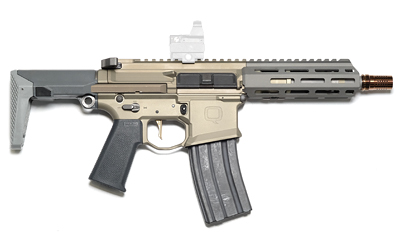
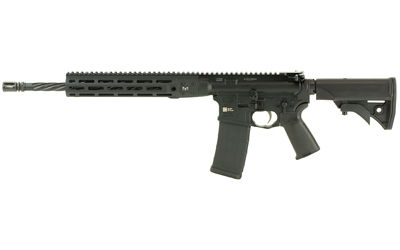
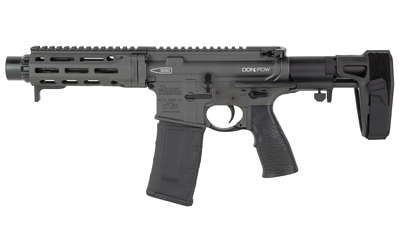
A cartridge and suppressor pairing should be checked against both the rifle and the hunt. For a .308 or 7.62 rifle, our .308 suppressor guide discusses direct-thread and quick-detach mounting, point-of-impact changes, and lightweight hunting considerations. For an AR platform, our AR-15 suppressor host guide focuses on barrel length, caliber, mounting, ammunition, and zeroing.
Legal shooting methods and prohibited conduct
We still have to follow rules on shooting from vehicles, bait, electronic calls, decoys, fully automatic firearms, and other means and methods. The answer may change with the species, private versus public property, and the season. A quieter shot does not excuse unsafe conduct, shooting from an unauthorized place, taking protected wildlife, or violating a posted range rule.
Harvest reporting, tagging, and possession requirements
After a lawful harvest, tagging, reporting, and carcass or game possession rules apply exactly as they would without a suppressor. We should complete the required record before moving the animal when the regulations call for it and keep proof of any required permit or report. The suppressor does not change the animal’s legal status or our responsibility to identify it correctly.
A short field reminder helps keep the equipment from distracting us from the legal work:
- Confirm the species, season, county, and shooting hours.
- Check the property’s firearm and discharge rules.
- Verify ammunition and firearm restrictions for that hunt.
- Carry permits, tags, and required harvest information.
That four-step check is simple, but it catches the mistakes most likely to ruin an otherwise lawful hunt. We should complete it before the rifle goes into the truck, not after we reach the stand.
How to choose a suppressor hunting setup
A good hunting setup is a system, not just a can screwed onto a barrel. Cartridge, barrel, mount, stock or brace, optic, sling, and carry distance all affect how the rifle behaves. We should choose around the animal and terrain first, then decide how much length and weight we are willing to carry.
Matching the suppressor to the rifle and cartridge
Start with the cartridge rating and the rifle’s intended use. A centerfire suppressor suitable for a .308 hunting rifle is not automatically the right answer for a 5.56 AR-15, a rimfire rifle, or a pistol. We should also decide whether the priority is a light walking rifle, repeated shots on a hog property, or a compact carbine that must move easily through brush.
For an AR-15 build, Rankin Industries is an option for complete AR-15 uppers, build kits, rifles, and pistols. We should match the selected configuration to the suppressor’s caliber and mounting requirements rather than assume every upper is ready for every device.
Selecting a practical hunting barrel and mounting system
Direct-thread mounts can be straightforward and light, while quick-detach systems can make sense when one suppressor moves among compatible rifles. The right answer depends on the muzzle threads, shoulder, alignment, barrel length, and the number of hosts. Our counter can help compare a hunting-oriented Banish 30 configuration or other documented options without guessing at a fit the manufacturer has not approved.
Managing added length, weight, and balance
A suppressor moves the balance forward and adds length to the rifle. That may be easy to live with from a blind but awkward when we carry the rifle through cedar, climb into a stand, or shoot around a window. We should handle the assembled rifle, check the sling position, and decide whether a few ounces saved at the muzzle are worth any tradeoff in durability or use case.
Choosing optics, slings, and other field accessories
The optic should hold zero and provide a usable sight picture in the expected light; the sling should keep the muzzle controlled while we climb or cross uneven ground. A cover can help with handling a hot suppressor, but it must be appropriate for the device and used as directed. If the setup includes an AR-15 in 5.56 or .223, our AR-15 suppressor guide addresses host compatibility, mounting, barrel length, and the continued need for hearing protection.
Safe and responsible suppressor use in the field
A suppressor reduces muzzle noise, but it does not make a firearm harmless or necessarily hearing safe. We still treat every rifle as loaded, identify the target and backstop, and protect everyone nearby. The safest setup is the one we have tested before the hunt and can carry without losing control of the muzzle.
Confirming the rifle and suppressor are compatible
Before firing, verify the caliber rating, thread pitch, muzzle shoulder, mount, bore alignment, and barrel restrictions. Follow the suppressor maker’s installation and firing instructions, and stop if the device will not seat correctly. We should also check that the optic, sling, bipod, and stock do not interfere with the mount or the rifle’s controls.
Checking zero and point-of-impact shift
Adding or removing a suppressor can change point of impact. We should fire a confirmation group with the suppressor installed, record the result, and confirm the rifle again after any mount change or major maintenance. The goal is not a perfect theoretical setup; it is knowing exactly where this rifle prints in the configuration we will carry.
Protecting hearing around vehicles and other hunters
A suppressor lowers the report but does not eliminate blast, bullet flight noise, or sound reflected from a blind, truck, or rock face. Everyone in the hunting party should use appropriate hearing protection, especially around repeated shots or vehicles. We should also warn nearby hunters before firing and maintain muzzle discipline during loading, unloading, and movement.
Handling heat, mirage, and maintenance
A hot suppressor can burn skin, damage nearby gear, and produce mirage that distorts the sight picture. Let it cool before handling, use a suitable cover only as directed, and inspect the mount for loosening during a long session. Afterward, follow the maker’s cleaning and storage instructions; avoid improvising solvents, tools, or disassembly steps.
Confirming local rules before opening day
Rules deserve a final check because public-land notices, special hunts, and federal requirements can change. We can check current availability for equipment, but availability is not a substitute for reading the hunting proclamation or property rules. If a situation turns on a legal interpretation, we should ask the land manager or qualified counsel before hunting.
Shop the right suppressor setup
Bring us the rifle, cartridge, and the way you plan to hunt, and we can help narrow the choices around fit, mount, length, weight, and lawful transfer requirements. Western Sport handles suppressor sales and NFA transfers as a licensed FFL and SOT dealer in Roanoke, Texas. Browse our suppressor inventory or BANISH suppressors, then contact the shop to confirm current availability and paperwork steps.
Conclusion
Yes, we can hunt with a suppressor in Texas when the suppressor is lawfully possessed and the hunt follows every applicable federal, state, local, and property-specific rule. The best setup balances cartridge compatibility, handling, zero, hearing protection, and the real conditions of the hunt. We should verify the rules and test the complete rifle before opening day.
Frequently Asked Questions
Can you hunt with a suppressor in Texas?
Yes. Texas hunting guidance allows suppressors to take wildlife, but federal, state, local, and property-specific laws still apply.
Does a suppressor change the hunting season?
No. Season dates, shooting hours, bag limits, and species restrictions remain in effect regardless of whether the rifle has a suppressor.
Do we still need federal approval for a suppressor?
Yes. Texas hunting permission does not replace the federal registration and transfer requirements that apply to suppressors.
Is the suppressor tax stamp still required?
As of January 1, 2026, the federal transfer tax for suppressors is $0, but the registration and approval process generally remains relevant. We should verify the current federal procedure before applying.
Can a suppressor be used on public hunting land?
Possibly, but the property may impose additional firearm, discharge, access, or hunt-specific rules. We must check the current regulations for that exact property.
Does a suppressor make a rifle hearing safe?
No. It reduces muzzle noise but does not eliminate all dangerous sound. Hearing protection remains appropriate for hunters and people nearby.
Should we confirm zero after attaching a suppressor?
Yes. Suppressor installation can shift point of impact, so we should confirm zero with the exact rifle, ammunition, mount, and suppressor configuration used in the field.

Lance Rankin is the owner and Chief Gunsmith of Western Sport, a family-run Type 07 FFL and Class 3/SOT dealer in Roanoke, Texas, serving shooters since 2007. Born and raised in Texas with over 50 years of experience handling firearms, Lance purchased Western Sport in 2017 and turned his lifelong passion into his profession. He specializes in AR-15 and AR-10 platform rifles, manufactures Western Sport’s own AR-15 line under the Rankin Industries brand, and runs the shop’s in-house Cerakote coating operation. When he’s not behind the counter or the workbench, you’ll find him on his ranch deep into the night, hunting coyotes with an AR-15 and thermal optics. Lance holds an MBA and personally shoots and tests the products Western Sport sells.