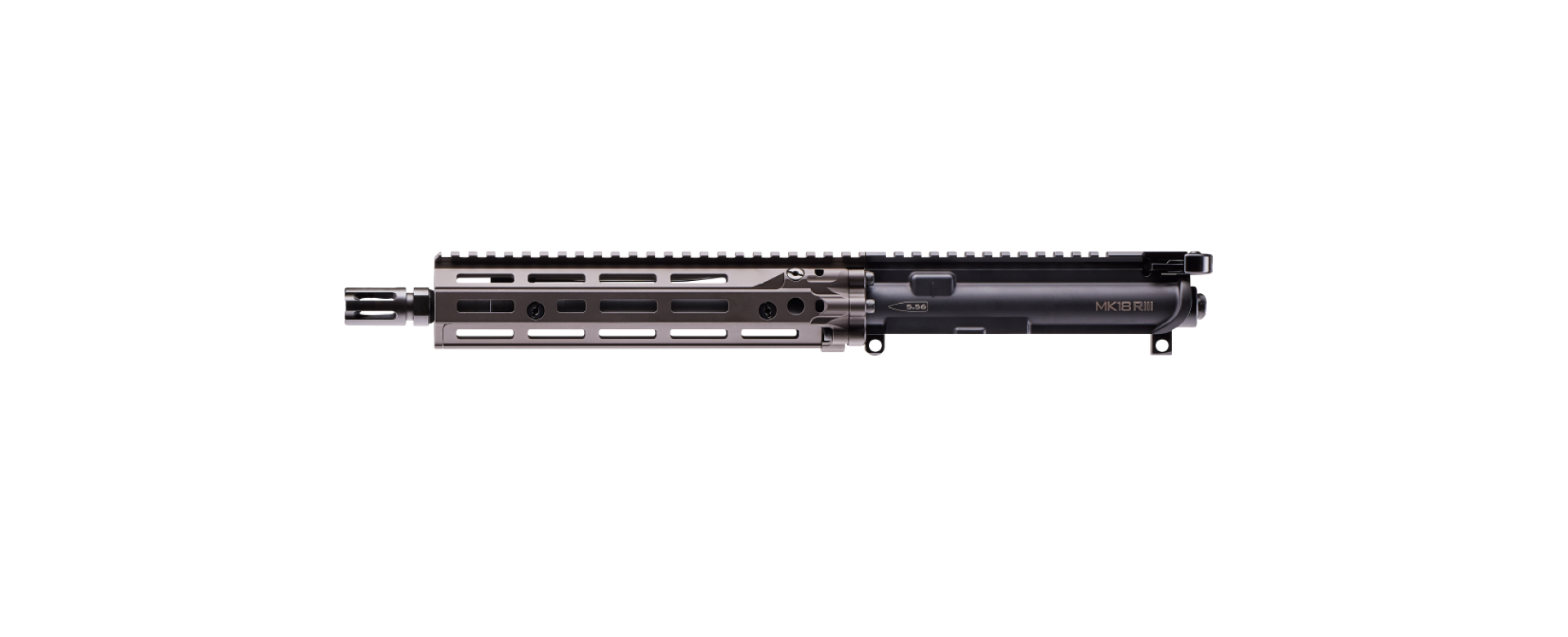
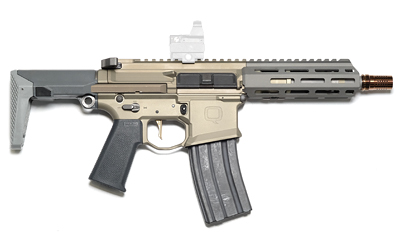
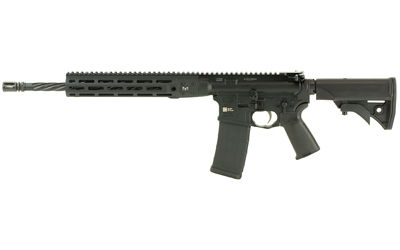
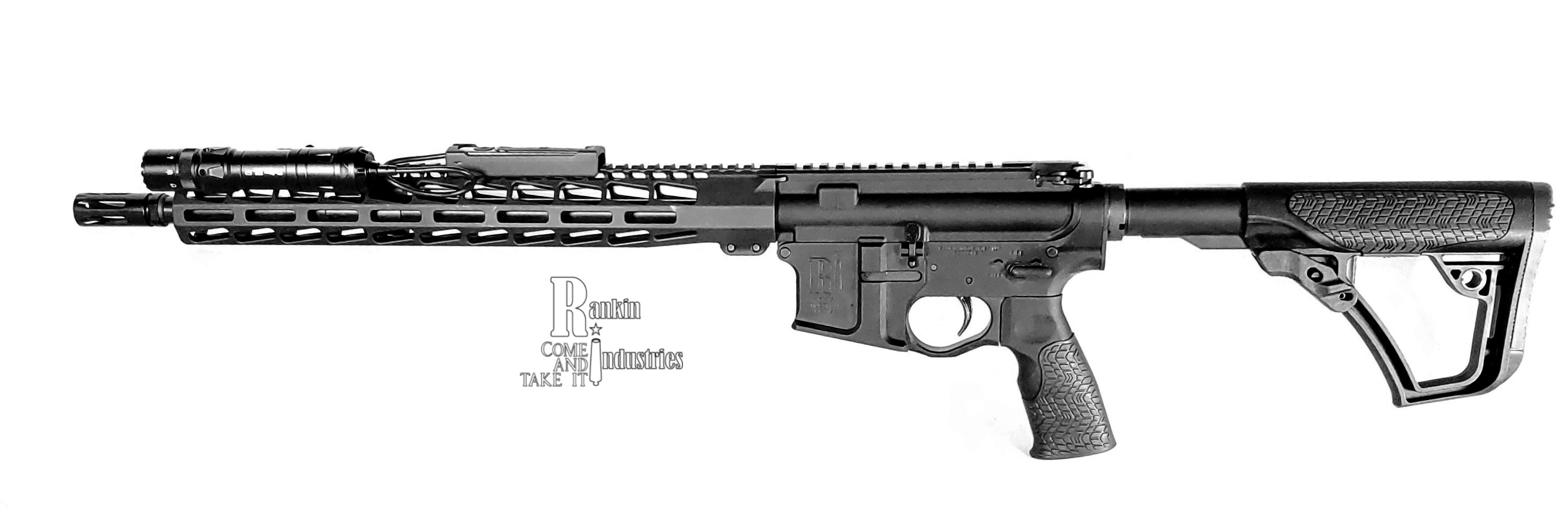
An ar 15 upper receiver determines much of how the rifle handles, cycles, and accepts accessories. We use “upper” to mean more than the receiver shell itself, because buyers often shop for a complete assembly that includes the barrel, gas system, handguard, and operating parts. At our counter, we start with the rifle’s intended use, then verify the parts match before discussing finishes or extras.
What an AR-15 upper receiver does
The upper receiver is the half of the AR-15 that supports the barrel and houses much of the rifle’s operating system. It works with the lower receiver, but it is a separate assembly that can often be changed without replacing the serialized lower. That makes the upper a practical place to begin when we are setting up a rifle for a different use.
The upper receiver’s role in the rifle
The receiver body supports the barrel extension, bolt carrier group, charging handle, and ejection-port components. The barrel gives the rifle its chamber and bore, while the gas system and bolt carrier group manage cycling. In plain terms, the upper controls the parts that send the shot forward and return the rifle to battery.
A stripped receiver is only one piece of that system. A complete upper may arrive with most of the working parts already installed, but the word “complete” is not used identically by every seller. We check the listing rather than assume that a bolt carrier group or charging handle is included.
How the upper and lower receivers work together
The lower receiver holds the fire-control group, magazine interface, buffer system, stock or brace interface, and takedown hardware. The upper contributes the barrel and action, and the two halves join at the takedown and pivot points. A rifle can therefore keep the same lower while using different uppers, provided the caliber and supporting parts are compatible.
That flexibility does not remove the need to check the whole system. A different upper can require a compatible magazine, bolt, buffer arrangement, or other supporting component, especially when moving away from a standard 5.56 configuration. Our upper and lower receiver guide is a useful place to review the distinction before ordering.
Stripped, assembled, and complete upper receivers
A stripped upper gives us the most control over the receiver, barrel, gas system, and small parts, but it also demands more assembly work and a careful parts list. An assembled receiver generally has items such as the forward assist and dust cover installed. A complete upper usually combines the receiver with a barrel, handguard, and gas components, though the included bolt carrier group and charging handle still need to be confirmed.
For a first build, a complete assembly can reduce the number of compatibility decisions. For a specialized project, individual components may make more sense. We carry both approaches through our AR-15 upper parts selection, where the intended use should guide the choice.
Key terms to know before shopping
Before comparing prices, we want the listing to answer a few basic questions: What caliber is marked on the barrel, what is the barrel length, what gas-system length is used, and which components are included? We also check the receiver pattern, handguard mounting method, muzzle threads, and whether the bolt carrier group and charging handle are part of the package.
The terms “flat-top,” “forged,” “billet,” “free-float,” and “complete” describe different features, not a single quality grade. A clear product description is worth more than a long feature list that leaves the actual contents vague.
The main parts of an AR-15 upper
An upper assembly is a group of parts that must work together, not a single performance component. The receiver, barrel, bolt carrier group, gas system, and handguard each affect a different part of the rifle’s function or handling. We inspect the relationship among them before treating any one finish or brand name as decisive.
Upper receiver body and forward assist
The upper receiver body guides the bolt carrier group and provides the mounting points for the barrel and handguard system. A forward assist, when present, gives the shooter a way to help seat the bolt, while the dust cover helps keep debris out of the ejection-port area when the rifle is not in use.
Flat-top receivers are common for modern optics and backup sights. A buyer should still confirm the receiver’s rail pattern and the handguard’s attachment method, since those details determine how accessories fit.
Barrel, extension, and feed ramps
The barrel determines the chambering, length, twist rate, and much of the rifle’s balance. Its extension locks into the receiver and provides the locking surface for the bolt. Feed ramps bridge the magazine path and chamber area, so their alignment with the receiver and barrel extension deserves a close look.
Barrel markings should agree with the product listing and the ammunition we intend to use. We do not treat a familiar caliber label as permission to overlook the chamber marking, because similar-looking cartridges can have different requirements.
Bolt carrier group and charging handle
The bolt carrier group contains the bolt and carrier that lock, unlock, extract, and return the action to battery. The charging handle manually moves that group and gives us a way to clear or load the rifle. These parts need to match the upper’s chambering and operating system.
A complete upper may or may not include both parts. That single detail can change the actual cost of a project, so we verify it before checkout. Our AR-15 upper receiver build selection groups receivers, barrels, bolt carrier groups, charging handles, and related parts for that reason.
Handguard, gas system, and muzzle device
The handguard protects the support hand and provides mounting space for sights, lights, and other accessories. The gas block and tube route propellant gas to the operating system, while the muzzle device attaches at the barrel’s threaded end when the configuration calls for one.
The handguard must leave room for the gas block, and its length must suit the barrel and gas system. Muzzle-thread dimensions also need to match the device. These are small checks, but they prevent an attractive parts list from becoming an incompatible one.
Choosing the right upper receiver setup
We choose an upper by use case first. A range rifle, a hunting setup, a compact firearm, and a hard-use carbine do not need identical barrel lengths, handguards, or optics. The right answer is the one that balances the intended ammunition, handling, legal configuration, and maintenance needs.
Matching barrel length to intended use
A shorter barrel can make a rifle easier to maneuver, while a longer barrel can change balance and sight radius. Length also affects gas-system choices, muzzle velocity, and the legal classification of some configurations. We confirm the complete firearm configuration and applicable rules before buying a short upper, especially when an NFA-regulated configuration may be involved.
For general-purpose use, buyers often compare 16-inch configurations with shorter or longer options, but the best choice depends on the rifle’s job and the shooter’s priorities. Our complete upper guide covers barrel specifications, gas systems, and what sellers may mean by “complete.”
Understanding caliber and chamber markings
The caliber marking on the barrel and receiver should match the ammunition and the rest of the rifle. A 5.56 NATO chamber, a .223 Remington chamber, and a .300 Blackout setup are not interchangeable shopping labels. The naming is standardized: SAAMI maintains the industry list of generally accepted cartridge and chamber names, which is the reference we reach for when a marking looks unfamiliar. Other chamberings may also require a different bolt, magazine, buffer system, or lower configuration.
We read the actual marking and the manufacturer’s specifications together. If the listing does not clearly identify the chambering or included bolt, we pause and ask for clarification instead of guessing.
Carbine-, mid-length-, and rifle-length gas systems
Gas-system length describes the relationship between the gas port and the chamber. Carbine, mid-length, and rifle-length systems use different gas-tube lengths and are associated with different barrel and handguard arrangements. The label alone does not tell us whether every part in a proposed build will fit.
The gas block, tube, handguard, and receiver must be considered as a group. We compare those details in a simple way before ordering:
- Confirm the barrel’s gas-port location and the gas-tube length.
- Make sure the handguard leaves clearance for the gas block.
- Check that the bolt carrier group and buffer system suit the chambering.
- Verify the muzzle device’s thread pattern and included mounting parts.
After those checks, the gas-system label becomes useful rather than confusing. It helps us compare similar configurations, but it should not replace checking the actual components.
Optics, handguards, and accessory compatibility
Optics need a stable mounting surface and enough rail space for the chosen position. Handguards differ in length, attachment method, and accessory interface, so we check whether the intended sight, light, sling mount, or bipod has room. A setup that looks streamlined in a photograph may not leave the working space we need.
We also consider how the rifle will be carried and maintained. The right handguard is the one that supports the accessories and grip we actually use, not simply the one with the longest list of mounting slots.
AR-15 upper and lower receiver fitment
Upper and lower receivers are designed to join, but a good fit is not always perfectly motionless. Receiver dimensions, takedown-pin holes, pivot areas, and the surrounding machining all affect how the halves meet. We separate normal movement from a condition that interferes with safe operation or proper function.
Why receiver dimensions and standards matter
Most AR-15 parts follow established patterns, but not every receiver or accessory uses identical dimensions. Differences in barrel interfaces, rail geometry, takedown features, and proprietary attachment systems can affect compatibility. Standard-looking parts still deserve a specification check.
A receiver can be well made and still be the wrong match for a particular handguard or barrel assembly. That is why we compare the receiver, barrel nut, gas system, and handguard as one proposed set.
Takedown pin fit and normal receiver movement
The takedown and pivot pins should pass through their holes and secure the upper and lower without excessive force. Some small receiver movement can occur when the halves are joined, particularly across different manufacturers. The key question is whether the movement affects control operation, sight stability, or the rifle’s ability to function.
We do not force pins into place with improvised tools or treat cosmetic tightness as proof of quality. A careful inspection of the holes, pins, and mating surfaces gives us a better answer.
Matching the upper to the lower receiver
Start with the caliber, then confirm the magazine and bolt requirements. Next, check the takedown and pivot interfaces, the buffer system, and the amount of clearance around the charging handle and rear of the receiver. A complete upper can be a simple pairing when its configuration is clearly described, but “AR-15 compatible” is not a substitute for the details.
A complete 5.56 upper checklist can help us confirm the chamber, operating system, handguard space, and whether the bolt carrier group and charging handle are included. That checklist is especially useful when the upper and lower come from different manufacturers.
When fitment problems point to a defective part
A pin that will not align, a barrel that will not seat correctly, damaged threads, or a handguard that cannot clear the gas system can indicate a defective or mismatched component. We stop rather than file, drill, or force the part. Modifying a receiver or barrel interface can create a safety problem and may also affect a return claim.
Photograph the issue, keep the packaging, and contact the seller or manufacturer with the part numbers and measurements they request. If the problem involves the fire-control or locking system, have a qualified gunsmith inspect it before use.
How to judge upper receiver quality
Quality shows up in consistency, correct dimensions, clean machining, and parts that match the stated configuration. A polished finish cannot compensate for a barrel, bolt carrier group, or gas system that was poorly selected. We look at the whole assembly and ask whether the parts fit the rifle’s intended use.
Forged versus billet receiver construction
Forged receivers begin as shaped material that is formed under pressure, while billet receivers are machined from a solid block. Both approaches can produce useful parts. The practical questions are the dimensions, machining, finish, compatibility, and inspection behind the specific receiver.
A billet profile may have distinctive exterior lines, while a forged receiver often follows a familiar service-style shape. Neither description by itself tells us how a complete upper will perform.
Aluminum grades, coatings, and machining
The product listing should identify the receiver material and finish when those details are relevant. Coatings can affect corrosion resistance and appearance, but they do not replace accurate machining. We inspect rail slots, threaded areas, barrel-seat surfaces, pin holes, and the edges around the ejection port for clean, consistent work.
Our AR-15 parts buying guide discusses where receivers, barrels, bolt carrier groups, charging handles, and other components fit into a practical build budget. We use that same order of priorities at the counter: function first, finish second.
Barrel, bolt carrier group, and small-part quality
The barrel and bolt carrier group deserve close attention because they are central to the upper’s operating cycle. We verify the barrel’s chamber and markings, the stated twist rate when provided, and the bolt carrier group’s compatibility with the cartridge and action. Small parts such as the gas tube, forward-assist components, dust-cover hardware, and charging handle should be present, correctly fitted, and free of obvious damage.
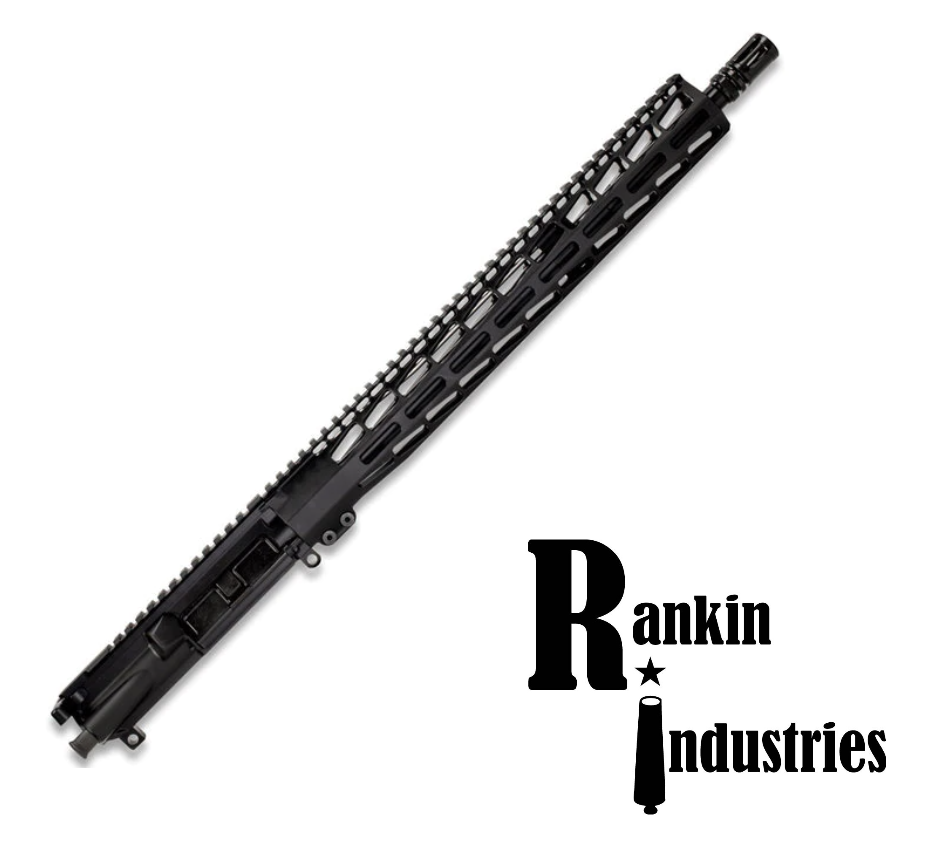
When a customer wants a complete assembly, Rankin Industries is an option we can discuss because our shop builds complete AR-15 uppers, build kits, rifles, and pistols. We keep the conversation tied to the actual configuration rather than promising a specification that is not listed.
Signs of inconsistent inspection or poor finishing
Look for damaged threads, uneven rail slots, sharp unfinished edges, loose hardware, tool marks in functional contact areas, and a barrel or gas block that does not appear properly aligned. One cosmetic mark is not automatically a failure, but a pattern of careless work deserves questions.
The same rule applies to paperwork and packaging. Part numbers, chamber markings, included components, and the product description should agree. If they do not, pause the installation and ask for a correction.
Buying and checking an AR-15 upper receiver
A good purchase starts with a clear list of what we need and what the seller is actually including. We compare the upper’s chambering, barrel length, gas system, handguard, muzzle threads, and operating parts before looking at delivery speed or finish. That process keeps a tempting photograph from making the decision for us.
Complete upper versus individual components
A complete upper saves assembly time and reduces the number of separate interfaces we need to verify. Individual components provide more control and can suit a custom build, but they also require compatible tools, parts, and assembly knowledge. Neither route is automatically better for every buyer.
For a first-time owner, a clearly specified complete upper may be the simpler path. For an experienced builder with a defined goal, separate components can make sense. We match the route to the buyer’s experience and the intended rifle.
What to verify in the product listing
Before ordering, we write down the details that affect compatibility and cost:
- Caliber and chamber marking.
- Barrel length, profile, and twist rate when specified.
- Gas-system length, gas-block type, and handguard clearance.
- Whether the bolt carrier group, charging handle, muzzle device, and sights are included.
- Return, warranty, and manufacturer-support terms.
This list gives us something concrete to compare with the box when it arrives. It also exposes vague listings before money and installation time are involved.
Inspecting the upper before installation or use
With the firearm unloaded and handled according to safe storage practices, inspect the receiver, barrel, muzzle threads, rail, handguard, gas system, and operating parts. Look for shipping damage, missing hardware, damaged threads, loose fasteners, and markings that do not match the order. Do not force the upper onto a lower if the pins or mating surfaces do not align normally.
We also check the manual and manufacturer instructions before any function test. If there is doubt about headspace, barrel installation, locking surfaces, or the fire-control system, the right next step is a qualified gunsmith, not trial and error.
Warranty, manufacturer support, and return policies
Keep the invoice, serial or part information where applicable, packaging, and photographs of any issue. Read whether the warranty covers the complete assembly or only selected components, and note who handles shipping for a defect. A seller with clear support terms is easier to work with when a part arrives damaged or a specification needs clarification.
Western Sport is a family-run gun store and range in Roanoke, Texas, with an on-site gunsmith. We can help compare an upper to the rest of a proposed build, and our AR-15 inventory gives buyers a place to start that conversation.
Build the Right Upper
Bring us the lower model, intended caliber, barrel-length preference, and the accessories you plan to use. We can help you compare complete uppers, individual parts, and Rankin Industries options so the final assembly fits the rifle and the job you have in mind.
Conclusion
Choosing an AR-15 upper receiver comes down to matching the barrel, chamber, gas system, bolt carrier group, handguard, and receiver to the lower and to the rifle’s purpose. We verify what is included, inspect the fit, and avoid guessing when a specification is unclear. That steady process is more useful than chasing a particular finish or a long list of features.
Frequently Asked Questions
What is an AR-15 upper receiver?
The upper receiver is the upper half of the rifle that supports the barrel and houses or guides major operating components such as the bolt carrier group and charging handle. It joins to the lower receiver at the pivot and takedown points.
Does a complete upper include a bolt carrier group?
Not always. “Complete” can mean different things from one listing to another, so verify whether the bolt carrier group, charging handle, muzzle device, sights, and other components are included before buying.
Can one lower receiver work with multiple uppers?
Often, yes, when the uppers and supporting parts are compatible with the lower. Caliber changes may require a different bolt, magazine, buffer system, or other components, so the complete configuration must be checked.
What is the difference between forged and billet receivers?
Forged receivers are formed from shaped material, while billet receivers are machined from a solid block. Both can be suitable; dimensions, machining, compatibility, and inspection matter more than the construction label alone.
How do we choose a barrel length?
Choose based on intended use, handling, ammunition, gas-system arrangement, and the complete firearm configuration. Shorter and longer barrels change balance and may raise separate legal considerations depending on how the firearm is configured.
What should we inspect when an upper arrives?
Check the receiver, barrel markings, muzzle threads, rail, handguard, gas system, included operating parts, fasteners, and packaging for damage or omissions. Do not force parts together if pins, threads, or mating surfaces do not align normally.
When should a gunsmith inspect an upper?
Use a qualified gunsmith when there are questions about headspace, barrel installation, locking surfaces, damaged threads, fire-control operation, or a receiver that does not fit normally. Avoid modifying or forcing a part before getting professional guidance.

Lance Rankin is the owner and Chief Gunsmith of Western Sport, a family-run Type 07 FFL and Class 3/SOT dealer in Roanoke, Texas, serving shooters since 2007. Born and raised in Texas with over 50 years of experience handling firearms, Lance purchased Western Sport in 2017 and turned his lifelong passion into his profession. He specializes in AR-15 and AR-10 platform rifles, manufactures Western Sport’s own AR-15 line under the Rankin Industries brand, and runs the shop’s in-house Cerakote coating operation. When he’s not behind the counter or the workbench, you’ll find him on his ranch deep into the night, hunting coyotes with an AR-15 and thermal optics. Lance holds an MBA and personally shoots and tests the products Western Sport sells.